Get your free personalized podcast brief
We scan new podcasts and send you the top 5 insights daily.
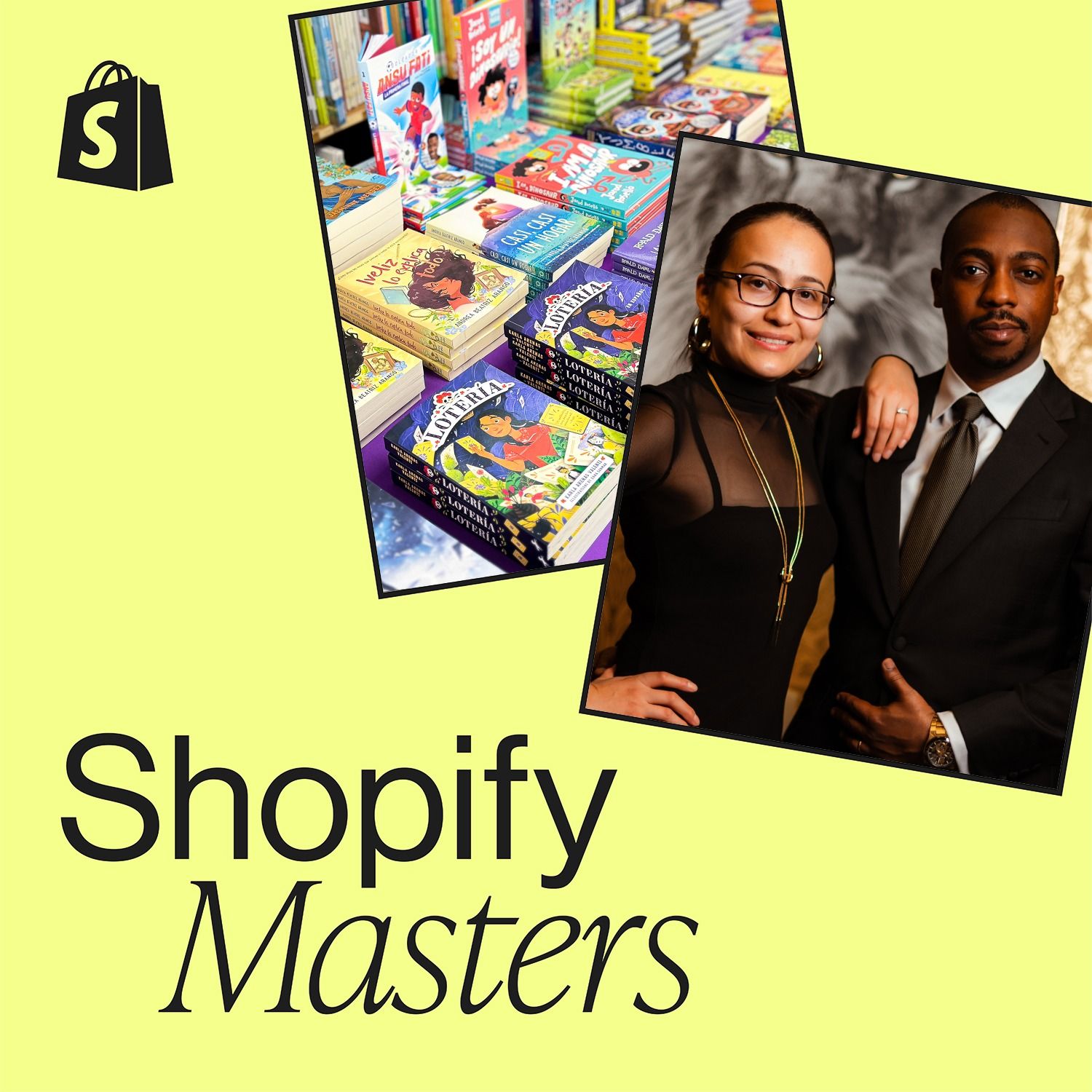
The founders of Miha Books consider their year-long retail lease a financial failure. However, the store generated significant press coverage and social proof ('as seen on'), which they now view as a valuable, albeit expensive, marketing asset that legitimized their brand and led to future opportunities.
Related Insights
Carvana's founder revealed that the company's distinctive car vending machines were more than just a marketing stunt. This unique, physical brand experience was a critical element that helped the online car retailer survive, highlighting the power of memorable marketing in a competitive market.

Miha Books' pivot to highly profitable school book fairs wasn't a strategic plan. It originated from a single PTA parent's suggestion while visiting their struggling brick-and-mortar store. This highlights how listening to customers can reveal a business's most lucrative opportunities.
DoubleTree's CFO reportedly hates the free cookie program because its ROI is impossible to prove. However, it functions as a powerful "talk trigger," generating priceless word-of-mouth marketing and brand loyalty. This proves the most effective brand initiatives often defy direct performance metrics.

When his book *The Four Hour Chef* underperformed due to a retail boycott, the resulting burnout led Tim Ferriss to experiment with a new channel: podcasting. This pivot, born from perceived failure, ultimately became the cornerstone of his media empire, far surpassing the original project's potential.

Seemingly costly failures provide the unique stories, data, and scars necessary to teach from experience. This authentic foundation is what allows an audience to trust your guidance, turning past losses into future credibility.

For founders without a large marketing budget, building in public isn't optional. Lindsay Carter attributes Set Active's initial hype to sharing behind-the-scenes content on her personal social media. She argues that consumers want to root for the underdog, and showing the story—failures and all—is the most effective way to build a loyal following from scratch.

An early product failure can be a catalyst for growth. Porterfield's first course flopped, teaching her to only teach from direct results. This pivot led to a more authentic product, which attracted a key partnership with Lewis Howes that generated over a million dollars in revenue.
To ensure continuous experimentation, Coastline's marketing head allocates a specific "failure budget" for high-risk initiatives. The philosophy is that most experiments won't work, but the few that do will generate enough value to cover all losses and open up crucial new marketing channels.

When Miha Books' operations broke—from an overflowing garage to a warehouse too small for their orders—the co-founder celebrated. He views these breaking points not as failures, but as positive indicators of growth. Each 'break' is simply the next problem to solve on the path to scaling the company.
With no ad budget, FUBU offered to paint its logo on the security gates of local businesses—from bodegas to repair shops—in exchange for keeping them graffiti-free. Labeling them all as an "authorized FUBU dealer," regardless of what they sold, created a massive, free advertising network and the perception of a large retail presence.
