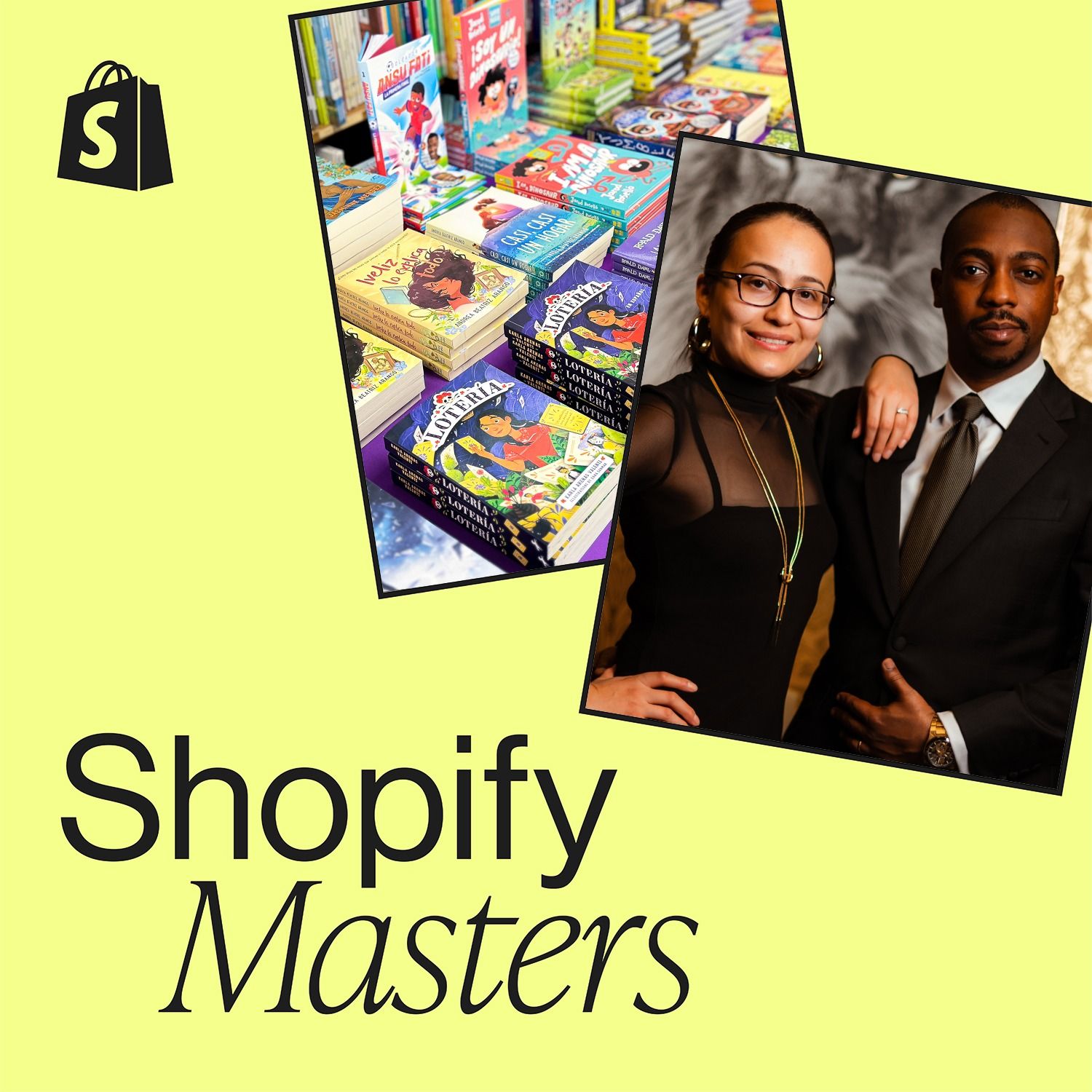
Miha Books' pivot to highly profitable school book fairs wasn't a strategic plan. It originated from a single PTA parent's suggestion while visiting their struggling brick-and-mortar store. This highlights how listening to customers can reveal a business's most lucrative opportunities.
Instead of relying on word-of-mouth, Miha Books built a scalable marketing engine. They use free book giveaways to capture leads, then use tools like Zapier and MailChimp to automatically trigger a sequence of texts and emails, systematically converting low-intent leads into high-value B2B customers.
The publishing industry's failure to consistently stock diverse books created a problem for Miha Books. However, this forced them to constantly search for new titles. This weakness transformed into a strength, as their customers now praise their ever-fresh selection, a key differentiator from competitors with stagnant inventories.
When Miha Books' operations broke—from an overflowing garage to a warehouse too small for their orders—the co-founder celebrated. He views these breaking points not as failures, but as positive indicators of growth. Each 'break' is simply the next problem to solve on the path to scaling the company.
To create a robust content engine with limited time, co-founder Moe Reid batches content creation. He films many videos at once, then uses AI tools like ChatGPT to transform the video captions into newsletters and social media posts. This scales content production while ensuring the output retains his authentic voice.
Despite receiving out-of-state and even overseas requests, Miha Books is deliberately choosing depth over breadth. They estimate the California book fair market at $50 million and are focused on capturing a significant share of that local market before taking on the logistical costs and complexities of national expansion.
The founders of Miha Books consider their year-long retail lease a financial failure. However, the store generated significant press coverage and social proof ('as seen on'), which they now view as a valuable, albeit expensive, marketing asset that legitimized their brand and led to future opportunities.