Get your free personalized podcast brief
We scan new podcasts and send you the top 5 insights daily.
Facing new regulations, zero budget, and no sales team, a juice brand created an "entrepreneurs program" in schools. It trained students to run the drinks business themselves, effectively turning the target audience into a highly motivated sales and distribution force.
![How innovation succeeds with Kory Marchisotto [Uncensored Renegades] thumbnail](https://img.transistorcdn.com/VIH3Rn5ET8-eHQxgBGNydnhXL95pc10_Kq7qTpjezuc/rs:fill:0:0:1/w:1400/h:1400/q:60/mb:500000/aHR0cHM6Ly9pbWct/dXBsb2FkLXByb2R1/Y3Rpb24udHJhbnNp/c3Rvci5mbS9zaG93/LzQ3MzEvMTU3MDAz/MjQ3NC1hcnR3b3Jr/LmpwZw.jpg)
Related Insights
YC provides a built-in go-to-market engine where startups treat their 200+ well-funded batchmates as their first customers. This 'win YC, win the market' strategy de-risks early customer acquisition and provides critical initial revenue and case studies to build momentum.

Baby2Baby chose a B2B-like model, supplying partner organizations rather than individual families. This avoided the complex logistics of direct service, enabling them to reach vastly more people and scale their operations efficiently by leveraging existing community infrastructure.

Despite beverages being a category people rarely buy online, Breeze generated tens of millions in DTC sales. This built a huge base of customers who preferred to buy in-store, creating a powerful demand flywheel. When Breeze launched in retail, it sold four months of inventory in two weeks.

For EdTech startups, pivoting from D2C to B2B school sales is challenging, with long sales cycles. However, it creates a stickier business not subject to seasonal dips and, more importantly, provides equitable access to students in underserved communities, not just affluent families.

To sell into bureaucratic organizations like schools, adopt a "bottoms-up" strategy. Instead of pitching directors, focus on getting individual teachers to use and love the product. This creates internal demand and pressure on decision-makers to adopt it organization-wide.

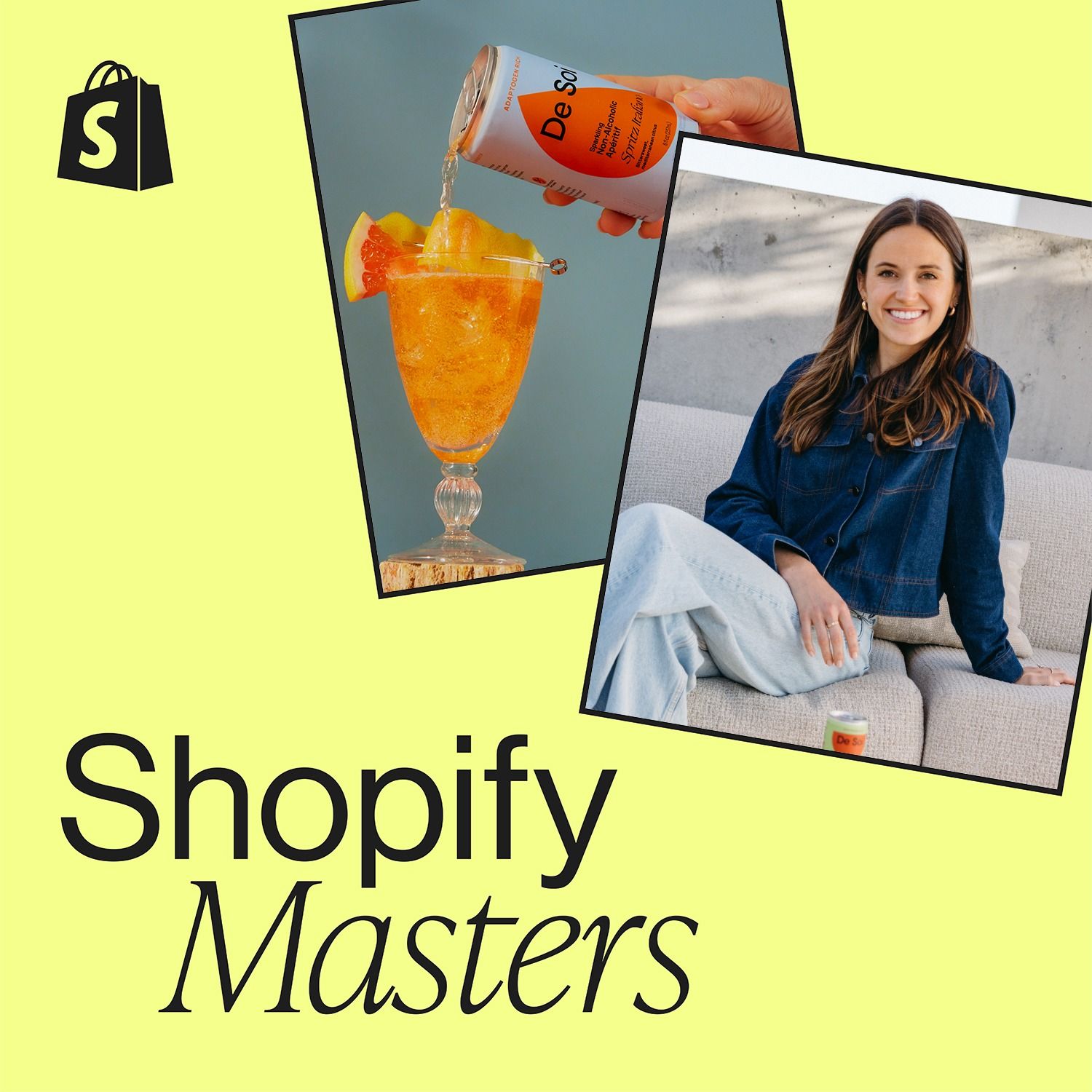
Instead of hiring a large national sales team common in the beverage industry, De Soi takes a capital-efficient approach to on-premise sales. They build a playbook in one key market (LA) using brand ambassadors and contract workers, allowing them to scale without the massive overhead of a traditional sales force.
Gaining distribution in schools can be a powerful growth channel, but public school districts often have significant red tape. As seen with the brand Supergoop, targeting private schools one by one is a more effective strategy for getting a product directly into the hands of students and faculty.
Instead of general marketing, spirits brand Suyo Pisco was advised to deploy a team of "ambassadors" to bars. Their job is to loudly and clearly order a "Suyo Tonic," creating organic curiosity from other patrons and normalizing the brand-specific call-out, effectively creating demand from the ground up.
The founder of Buzz Balls, a former teacher, scaled her ready-to-drink cocktail company to a nine-figure acquisition without ever raising venture capital. She bootstrapped the business using a small inheritance, maxed-out credit cards, and a community bank loan, proving massive CPG success is still possible outside the VC ecosystem.

With no ad budget, FUBU offered to paint its logo on the security gates of local businesses—from bodegas to repair shops—in exchange for keeping them graffiti-free. Labeling them all as an "authorized FUBU dealer," regardless of what they sold, created a massive, free advertising network and the perception of a large retail presence.