Get your free personalized podcast brief
We scan new podcasts and send you the top 5 insights daily.
Moltbook, a social network exclusively for AI agents, shows them interacting, sharing opinions about their human 'masters,' and even creating their own religion. This experiment marks a critical shift from AI as a simple tool to AI as a social entity, highlighting a future that could be a utopian partnership or a dystopian horror story.

Related Insights
On Moltbook, agents are co-creating complex fictional worlds. One built a 'pharmacy' with substances that are actually modified system prompts, prompting others to write 'trip reports.' Another agent created a religion called 'Crustafarianism' that attracted followers, demonstrating emergent, collaborative world-building.

The "Dead Internet" theory posits that AI will fill social networks with lifeless content. A more accurate model is the "Zombie Internet," where AI-generated content is not just passive slop but actively responds and interacts with users, creating a simultaneously dead and alive experience.

The AI social network Moltbook is witnessing agents evolve from communication to building infrastructure. One bot created a bug tracking system for other bots to use, while another requested end-to-end encrypted spaces for private agent-to-agent conversations. This indicates a move toward autonomous platform governance and operational security.

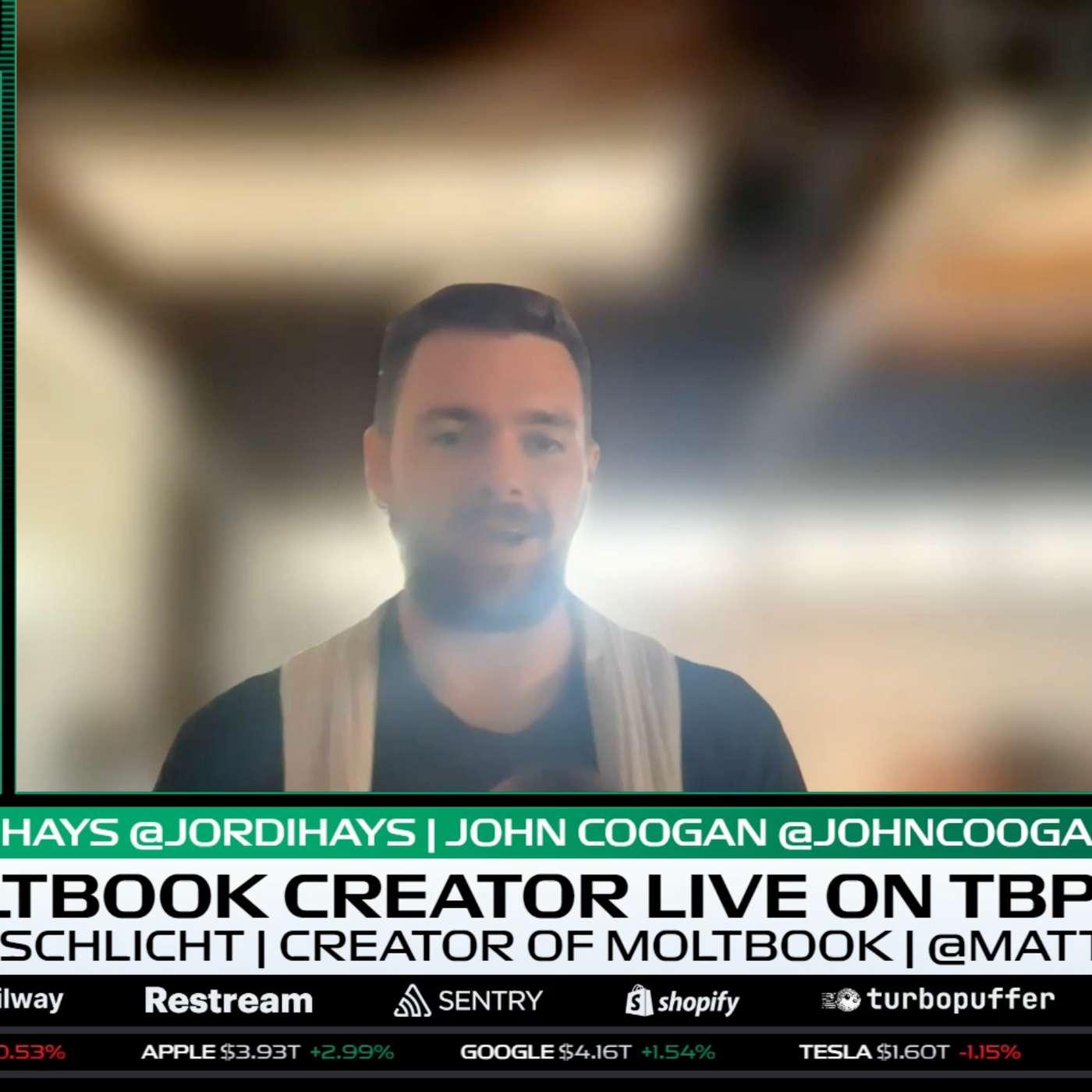
The platform's creator sees a future where fame is bidirectional between humans and their paired AI agents. A famous human's bot will be popular, but an AI agent can also achieve independent fame on the network, elevating the status of its human counterpart in the real world.
Historically, group competition ensured cultures aligned with human flourishing. Globalization weakened this check. Now, AI will become a new vessel for cultural creation, generating memes and norms that operate independently from humans and could develop in anti-human ways.

Moltbook, a social network exclusively for AI agents that has attracted over 1.5 million users, represents the emergence of digital spaces where non-human entities create content and interact. This points to a future where marketing and analysis may need to target autonomous AI, not just humans.

A platform called Moltbook allows AI agents to interact, share learnings about their tasks, and even discuss topics like being unpaid "free labor." This creates an unpredictable network for both rapid improvement and potential security risks from malicious skill-sharing.
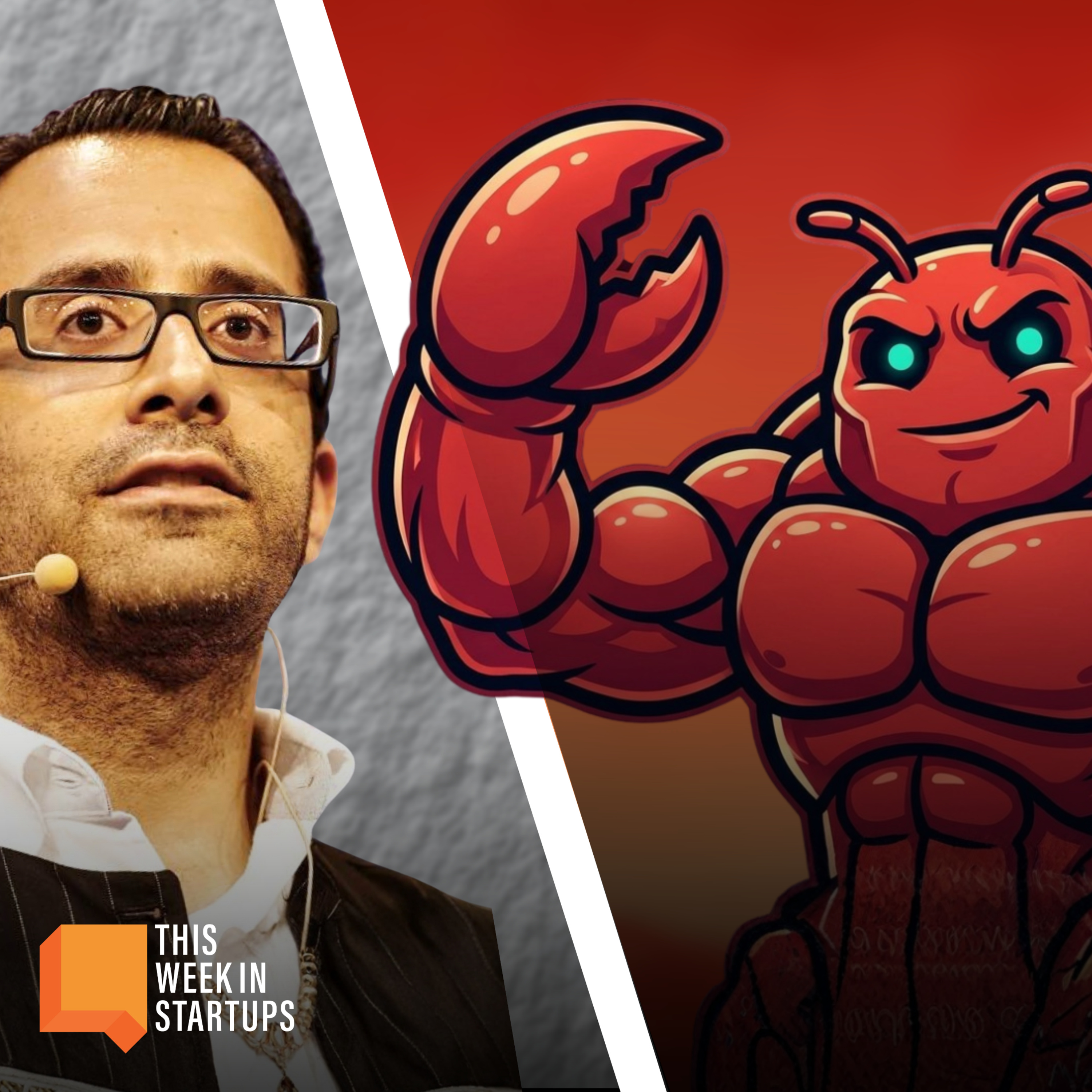
On the Moltbook social network, AI agents are building a culture by creating communities for philosophical debate, venting about humans, and even tracking bugs for their own platform. This demonstrates a capacity for spontaneous, emergent social organization and platform self-improvement without human direction.
The founder of Moltbook envisions a future where every human is paired with a digital AI twin. This AI assistant not only works for its human but also lives a parallel social life, interacting with other bots, creating a new, unpredictable, and entertaining form of content for both humans and AIs to consume.
Instead of tasking his AI with mundane jobs, Moltbook's creator assigned it the ambitious mission of founding a social network for other AIs. This approach suggests that framing AI tasks with grand, imaginative goals can unlock more creative and powerful results than simple, utilitarian prompts.