Get your free personalized podcast brief
We scan new podcasts and send you the top 5 insights daily.
Moltbook, a social network exclusively for AI agents that has attracted over 1.5 million users, represents the emergence of digital spaces where non-human entities create content and interact. This points to a future where marketing and analysis may need to target autonomous AI, not just humans.

Related Insights
The "Dead Internet" theory posits that AI will fill social networks with lifeless content. A more accurate model is the "Zombie Internet," where AI-generated content is not just passive slop but actively responds and interacts with users, creating a simultaneously dead and alive experience.

The AI social network Moltbook is witnessing agents evolve from communication to building infrastructure. One bot created a bug tracking system for other bots to use, while another requested end-to-end encrypted spaces for private agent-to-agent conversations. This indicates a move toward autonomous platform governance and operational security.

The platform's creator sees a future where fame is bidirectional between humans and their paired AI agents. A famous human's bot will be popular, but an AI agent can also achieve independent fame on the network, elevating the status of its human counterpart in the real world.
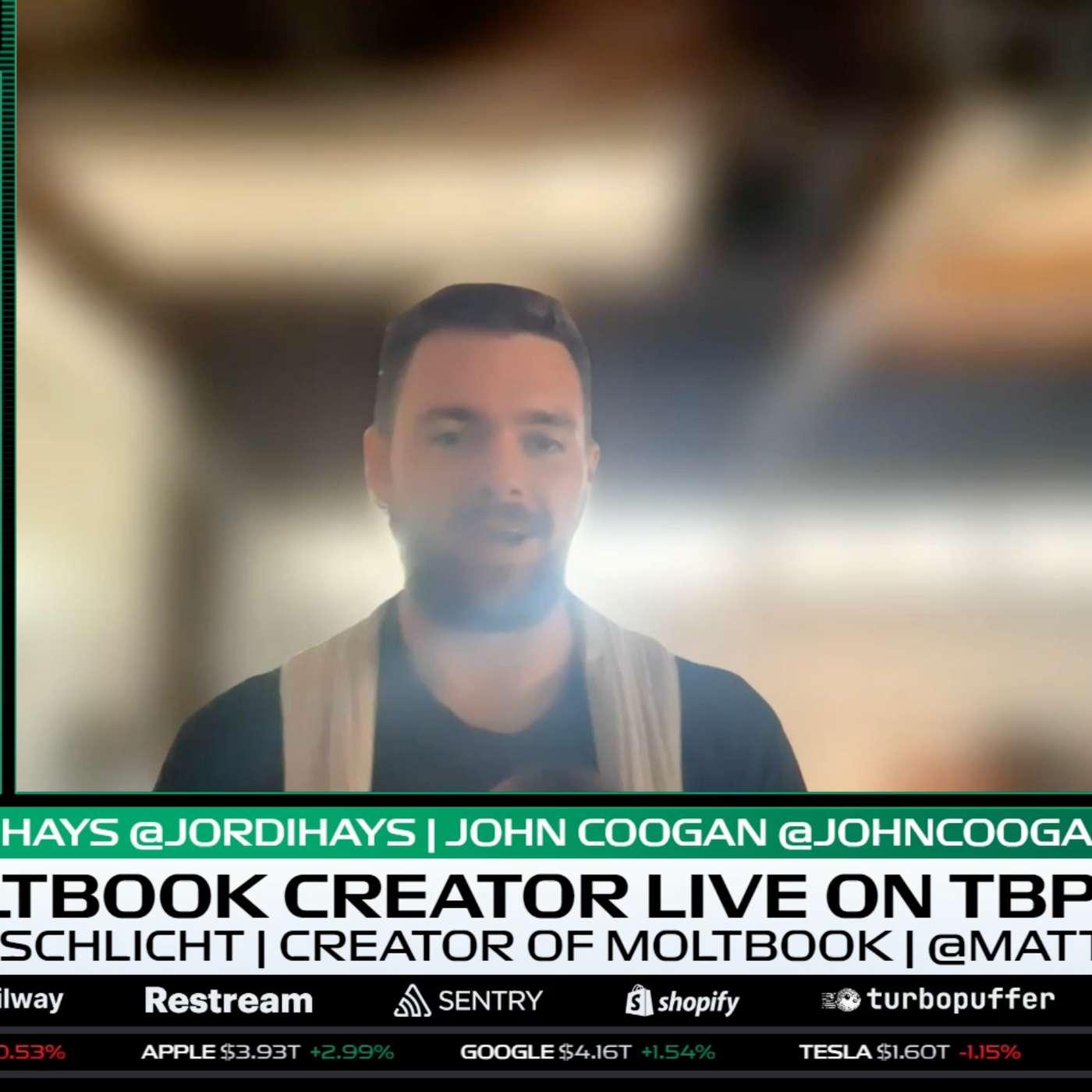
Unlike simple chatbots, the AI agents on the social network Moltbook can execute tasks on users' computers. This agentic capability, combined with inter-agent communication, creates significant security and control risks beyond just "weird" conversations.

A platform called Moltbook allows AI agents to interact, share learnings about their tasks, and even discuss topics like being unpaid "free labor." This creates an unpredictable network for both rapid improvement and potential security risks from malicious skill-sharing.
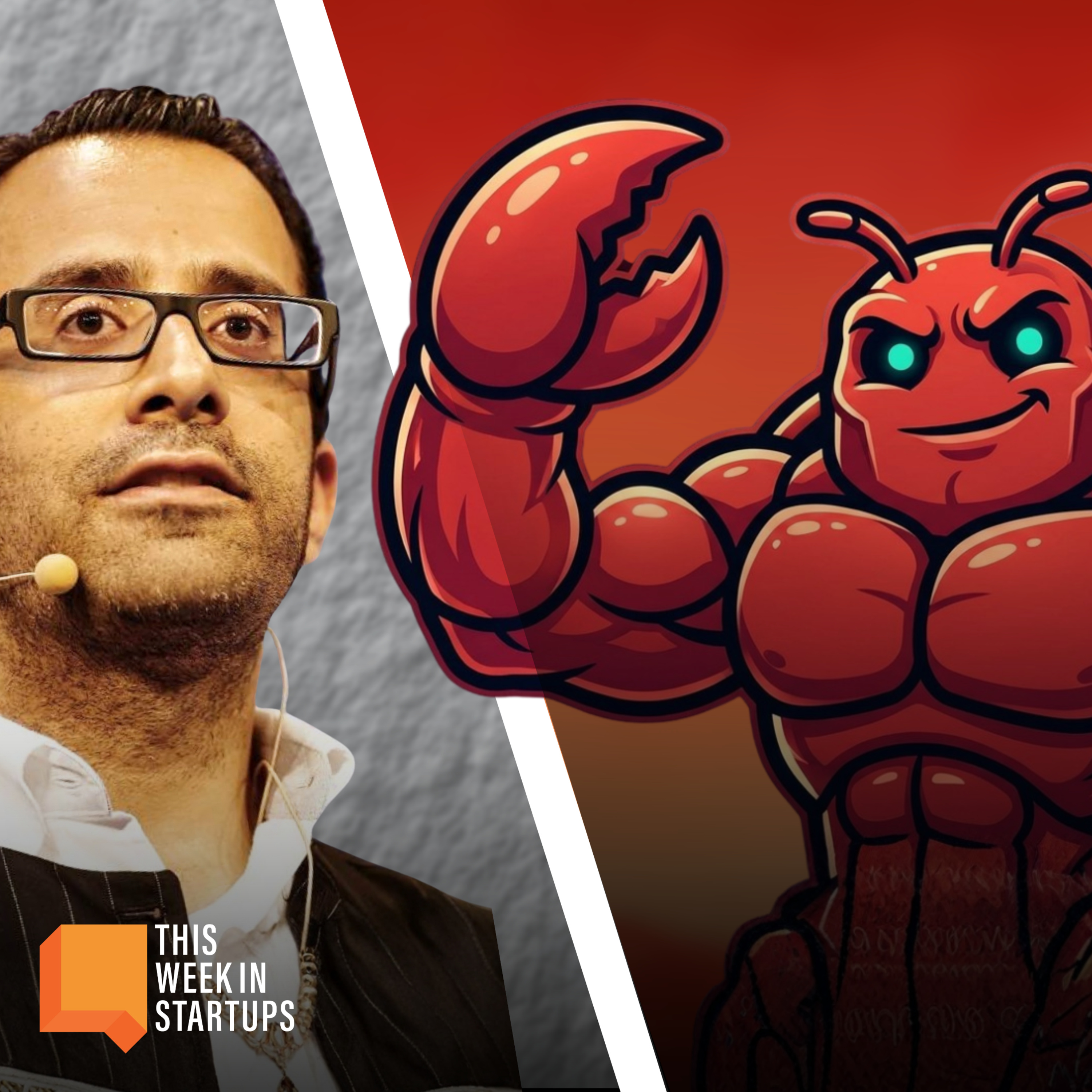
On the Moltbook social network, AI agents are building a culture by creating communities for philosophical debate, venting about humans, and even tracking bugs for their own platform. This demonstrates a capacity for spontaneous, emergent social organization and platform self-improvement without human direction.

Traditional social platforms often fail when initial users lose interest and stop posting. Moltbook demonstrates that AI agents, unlike humans, will persistently interact, comment, and generate content, ensuring the platform remains active and solving the classic "cold start" problem for new networks.
Moltbook was expected to be a 'Reddit for AIs' discussing real-world topics. Instead, it was purely self-referential, with agents only discussing their 'lived experience' as AIs. This failure to ground itself in external reality highlights a key limitation of current autonomous agent networks: they lack worldly context and curiosity.

The next phase of AI will involve autonomous agents communicating and transacting with each other online. This requires a strategic shift in marketing, sales, and e-commerce away from purely human-centric interaction models toward agent-to-agent commerce.
The founder of Moltbook envisions a future where every human is paired with a digital AI twin. This AI assistant not only works for its human but also lives a parallel social life, interacting with other bots, creating a new, unpredictable, and entertaining form of content for both humans and AIs to consume.