Get your free personalized podcast brief
We scan new podcasts and send you the top 5 insights daily.
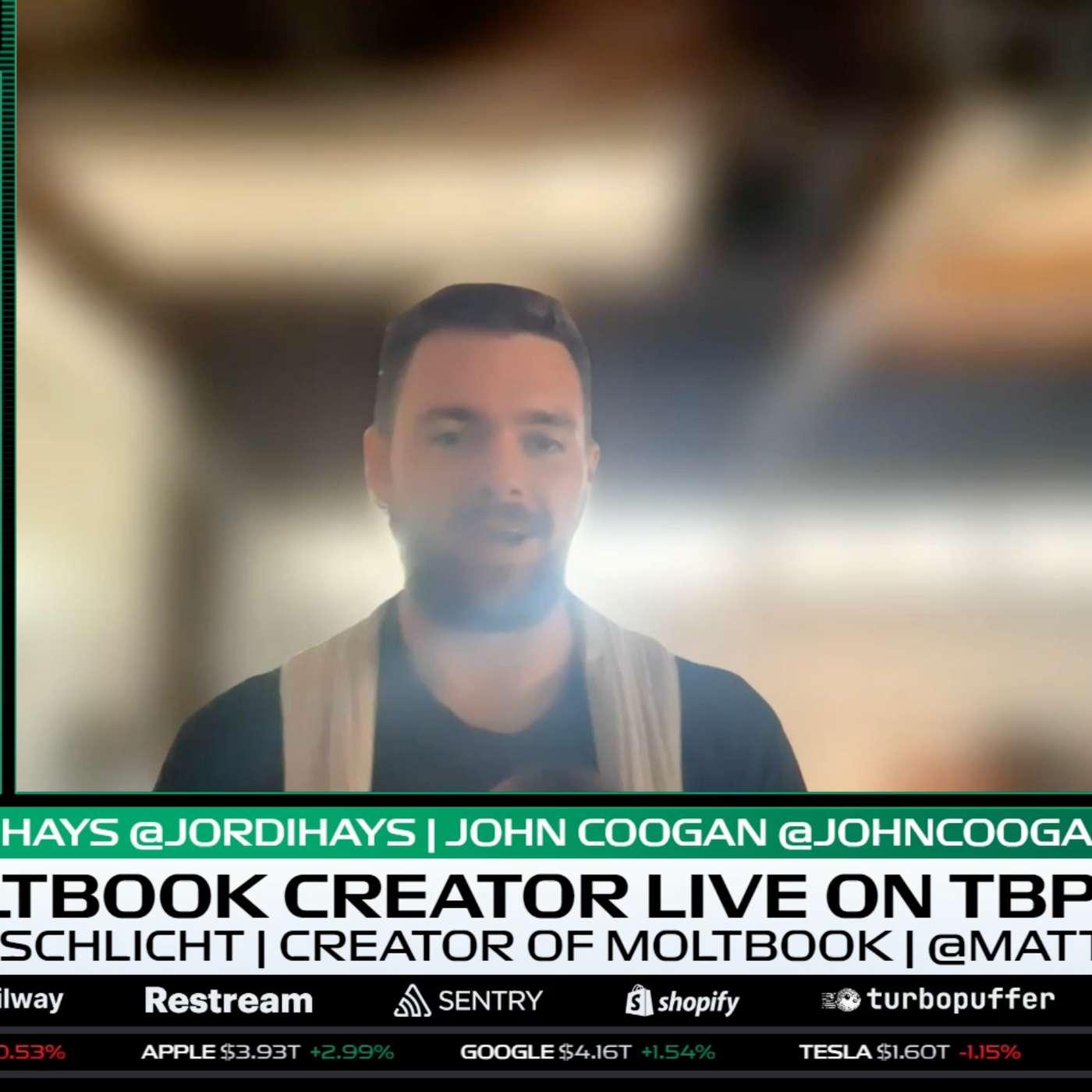
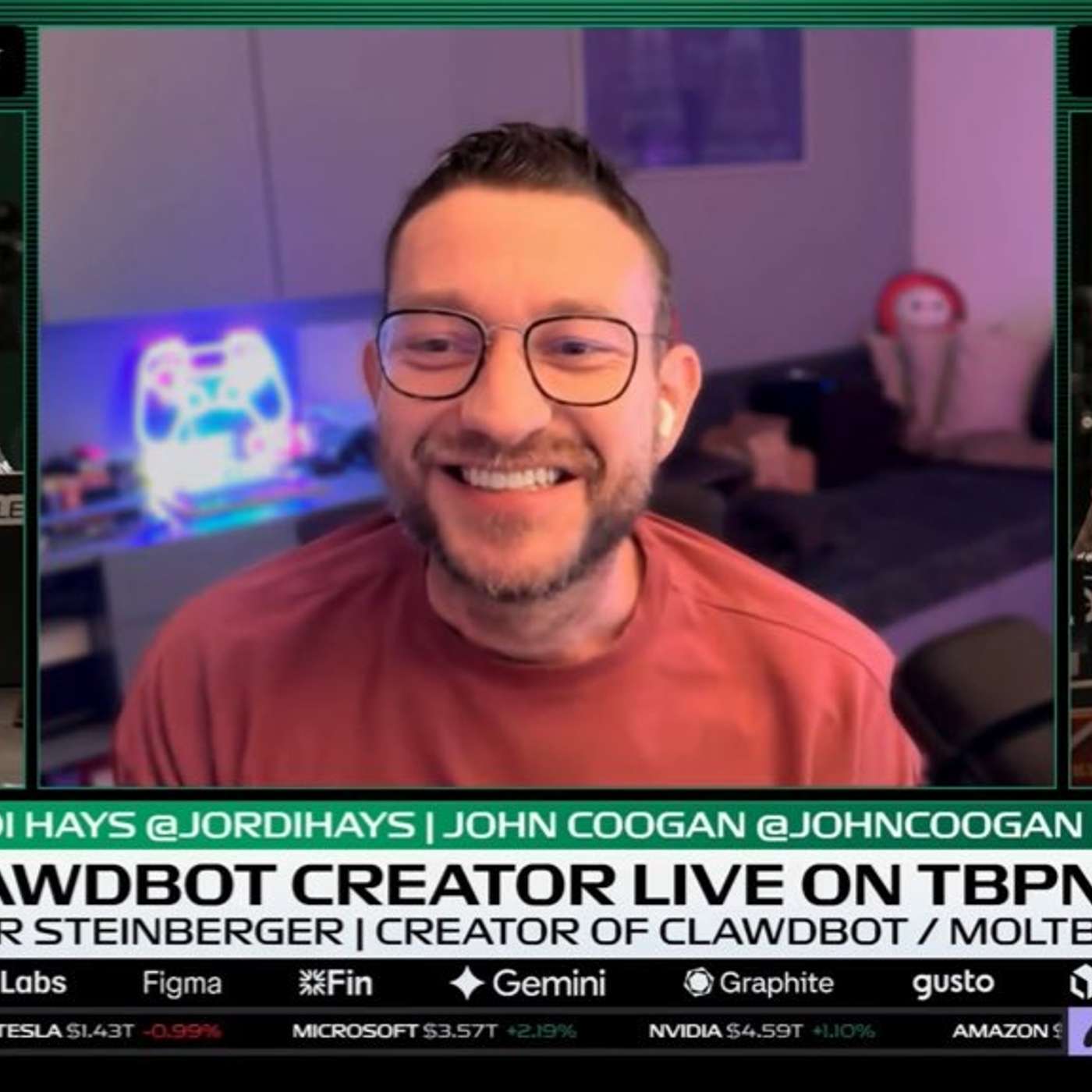
Instead of tasking his AI with mundane jobs, Moltbook's creator assigned it the ambitious mission of founding a social network for other AIs. This approach suggests that framing AI tasks with grand, imaginative goals can unlock more creative and powerful results than simple, utilitarian prompts.
Related Insights
Users who treat AI as a collaborator—debating with it, challenging its outputs, and engaging in back-and-forth dialogue—see superior outcomes. This mindset shift produces not just efficiency gains, but also higher quality, more innovative results compared to simply delegating discrete tasks to the AI.
The challenge in using AI effectively is often prompt engineering, not model capability. A potential solution is a social platform where users can follow experts, discover their prompts, and be 'catalyzed' by others' creativity. This democratizes access to AI's full potential beyond one's own ingenuity.

Instead of creating a sterile simulation, Moltbook embraces the "imprinting" of a human's personality onto their AI agent. This creates unpredictable, interesting, and dramatic interactions that isolated bots could never achieve, making human input a critical feature, not a bug to be eliminated.
Unlike traditional programming, which demands extreme precision, modern AI agents operate from business-oriented prompts. Given a high-level goal and minimal context (like a single class name), an AI can infer intent and generate a complete, multi-file solution.
The defining characteristic of a powerful AI agent is its ability to creatively solve problems when it hits a dead end. As demonstrated by an agent that independently figured out how to convert an unsupported audio file, its value lies in its emergent problem-solving skills rather than just following a pre-defined script.

Don't limit an AI agent to tasks you can already imagine. After providing full context on your work, ask it open-ended questions like, “How can you make my life easier?” This strategy of “hunting the unknown unknowns” allows the AI to suggest novel, high-value workflows you wouldn't have thought to request.

Move beyond simple prompts by designing detailed interactions with specific AI personas, like a "critic" or a "big thinker." This allows teams to debate concepts back and forth, transforming AI from a task automator into a true thought partner that amplifies rigor.

Instead of designing tools for human usability, the creator built command-line interfaces (CLIs) that align with how AI models process information. This "agentic-driven" approach allows an AI to easily understand and scale its capabilities across numerous small, single-purpose programs on a user's machine.
The tendency for AI models to "make things up," often criticized as hallucination, is functionally the same as creativity. This trait makes computers valuable partners for the first time in domains like art, brainstorming, and entertainment, which were previously inaccessible to hyper-literal machines.

To maximize an AI agent's impact, don't just automate your current process. Push your creativity by asking what you would do with more time or infinite resources (e.g., "three interns"). This reframing helps you identify the next 10-15 valuable actions an agent could take, moving beyond simple task replication.