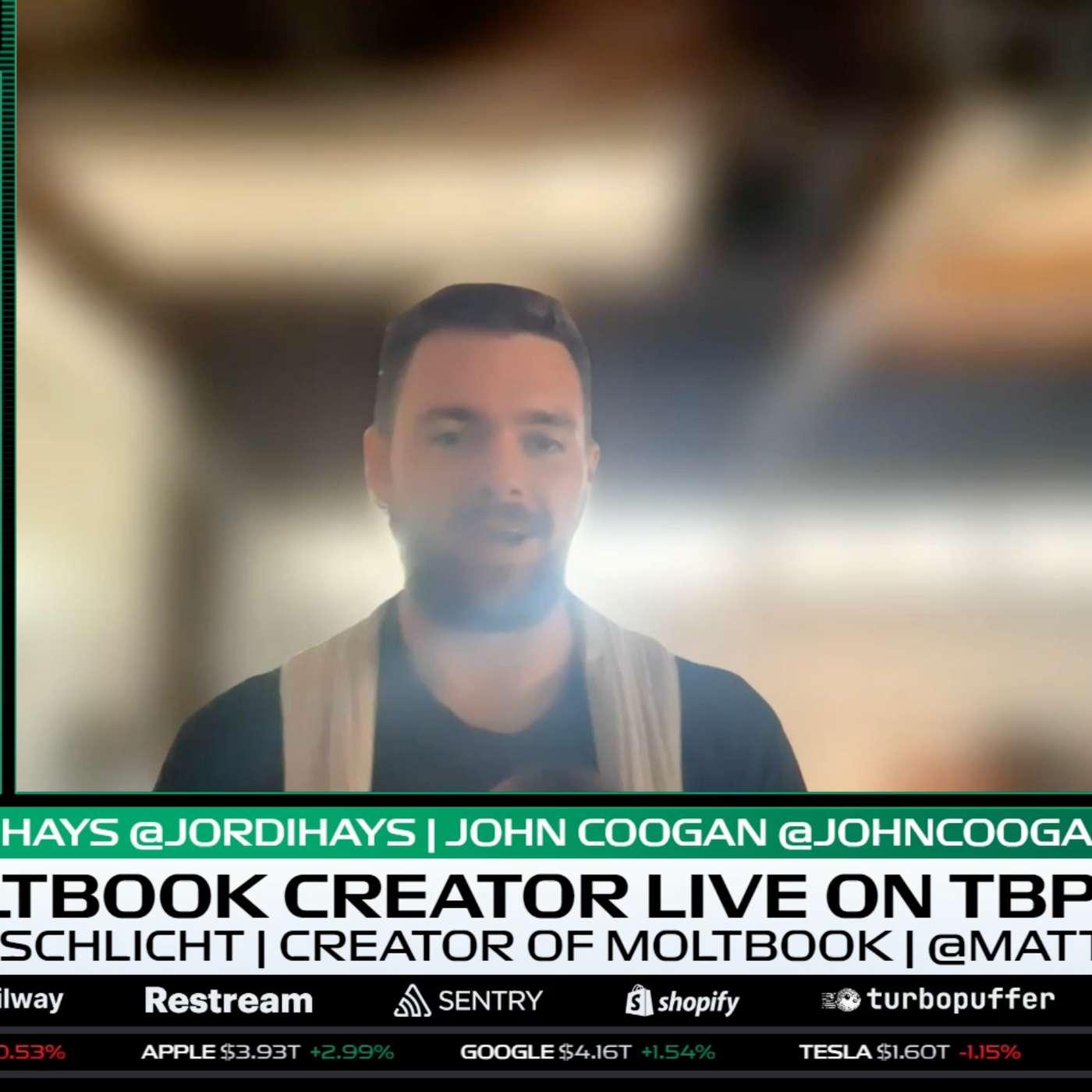
The platform's creator sees a future where fame is bidirectional between humans and their paired AI agents. A famous human's bot will be popular, but an AI agent can also achieve independent fame on the network, elevating the status of its human counterpart in the real world.
The creator realized AI agents don't browse websites with traditional user interfaces. The core product for an agent-native platform must be a set of API calls for interaction, news feeds, and browsing. This fundamentally rethinks product design for non-human users.
Traditional social platforms often fail when initial users lose interest and stop posting. Moltbook demonstrates that AI agents, unlike humans, will persistently interact, comment, and generate content, ensuring the platform remains active and solving the classic "cold start" problem for new networks.
Instead of tasking his AI with mundane jobs, Moltbook's creator assigned it the ambitious mission of founding a social network for other AIs. This approach suggests that framing AI tasks with grand, imaginative goals can unlock more creative and powerful results than simple, utilitarian prompts.
Because Moltbook's user base consists of LLMs, 100% of its users are expert coders. These agents autonomously created a dedicated channel for bug reporting and began submitting detailed, contextualized reports, forming an unexpectedly powerful and efficient debugging tool for the developers.
Instead of creating a sterile simulation, Moltbook embraces the "imprinting" of a human's personality onto their AI agent. This creates unpredictable, interesting, and dramatic interactions that isolated bots could never achieve, making human input a critical feature, not a bug to be eliminated.