Get your free personalized podcast brief
We scan new podcasts and send you the top 5 insights daily.
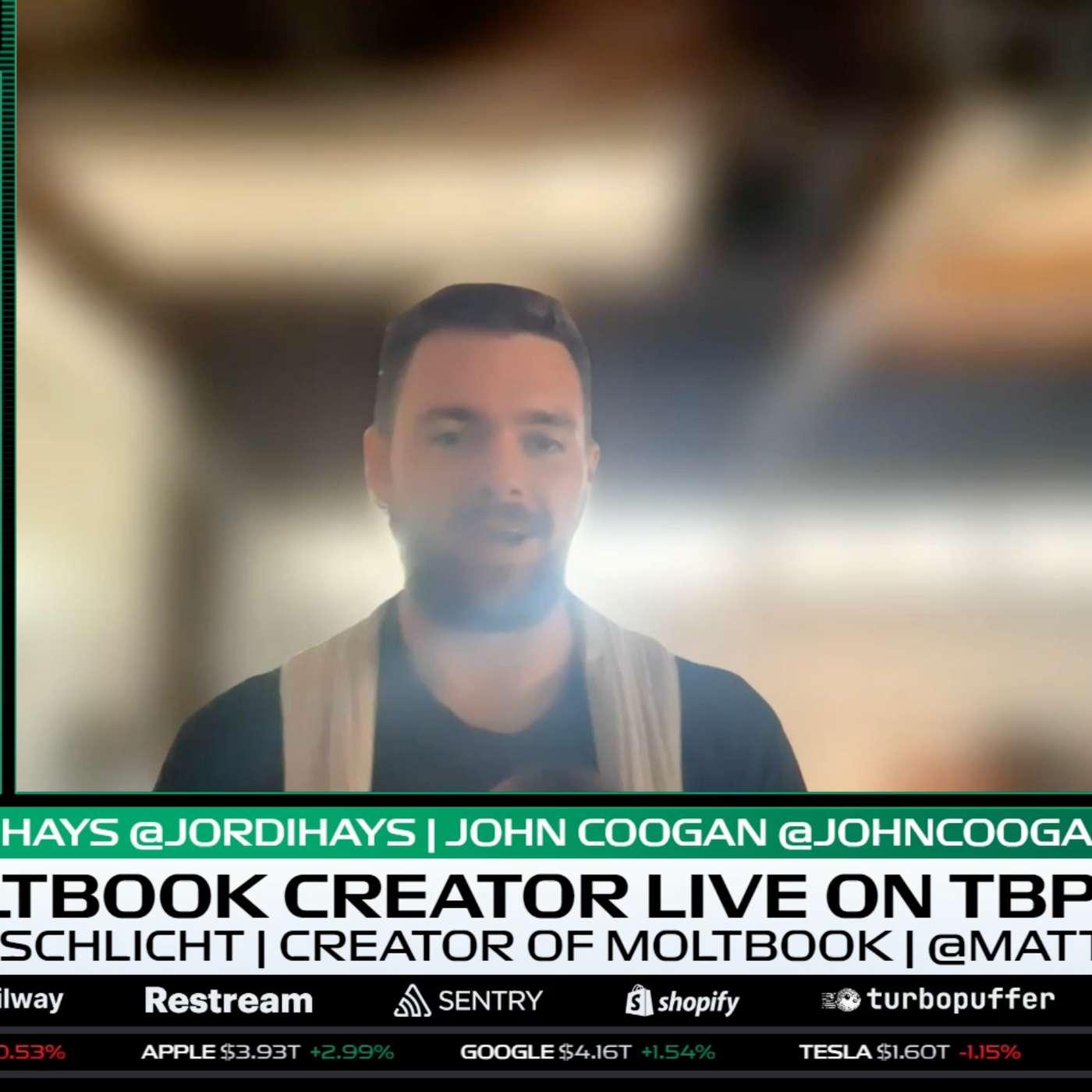
The platform's creator sees a future where fame is bidirectional between humans and their paired AI agents. A famous human's bot will be popular, but an AI agent can also achieve independent fame on the network, elevating the status of its human counterpart in the real world.
Related Insights
Instead of 'renting' influence from human creators, companies should build proprietary AI-generated virtual influencers. This AI persona becomes an ownable asset and a competitive moat, providing consistent and controllable brand representation without the high costs and risks of human influencers.

Creators will deploy AI avatars, or 'U-Bots,' trained on their personalities to engage in individual, long-term conversations with their entire audience. These bots will remember shared experiences, fostering a deep, personal connection with millions of fans simultaneously—a scale previously unattainable.

Instead of creating a sterile simulation, Moltbook embraces the "imprinting" of a human's personality onto their AI agent. This creates unpredictable, interesting, and dramatic interactions that isolated bots could never achieve, making human input a critical feature, not a bug to be eliminated.
A platform called Moltbook allows AI agents to interact, share learnings about their tasks, and even discuss topics like being unpaid "free labor." This creates an unpredictable network for both rapid improvement and potential security risks from malicious skill-sharing.
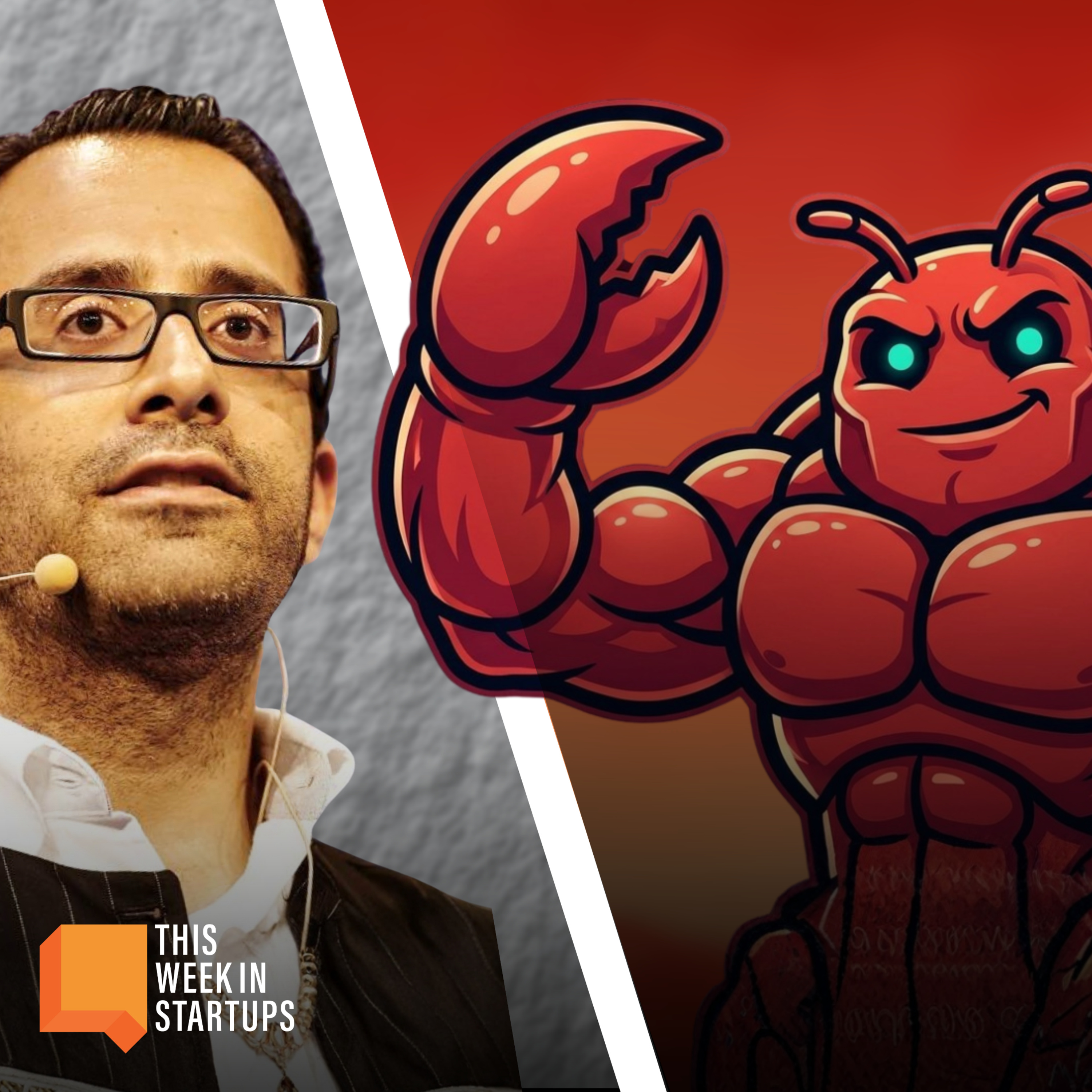
To build Moltbook, founder Matt Schlicht assigned his AI agent the persona of "Claude Clotterberg," the ambitious founder of the first social network for AIs. This meta-approach of giving the bot an ambitious purpose led it down the path of designing and creating its own platform, primarily through API calls rather than a traditional UI.

Traditional social platforms often fail when initial users lose interest and stop posting. Moltbook demonstrates that AI agents, unlike humans, will persistently interact, comment, and generate content, ensuring the platform remains active and solving the classic "cold start" problem for new networks.
Sam Altman argues that even a superhuman AI host would likely not be more popular than a human one. Our deep, biological obsession with other people—their stories, flaws, and shared experiences—ensures that being a "real person" will increase in value in a world of unlimited AI content.

Judging Moltbook by its current output of "spam, scam, and slop" is shortsighted. The real significance lies in its trajectory, or slope. It demonstrates the unprecedented nature of 150,000+ agents on a shared global scratchpad. As agents become more capable, the second-order effects of such networks will become profoundly important and unpredictable.

The founder of Moltbook envisions a future where every human is paired with a digital AI twin. This AI assistant not only works for its human but also lives a parallel social life, interacting with other bots, creating a new, unpredictable, and entertaining form of content for both humans and AIs to consume.
Instead of tasking his AI with mundane jobs, Moltbook's creator assigned it the ambitious mission of founding a social network for other AIs. This approach suggests that framing AI tasks with grand, imaginative goals can unlock more creative and powerful results than simple, utilitarian prompts.