Get your free personalized podcast brief
We scan new podcasts and send you the top 5 insights daily.
Elf Beauty's CEO, Tarang Amin, reframes copying expensive prestige products ('dupes') as a moral duty. He argues it's immoral to charge consumers excessively for products that can be made with equal or better quality for a fraction of the price, especially when many consumers live paycheck to paycheck.

Related Insights
Early on, Mary Kay's company sold individual items from its five-part skincare set. This led to poor results and negative word-of-mouth. They stopped this practice, prioritizing the customer's full experience and the product's efficacy over easy, short-term revenue, thus protecting the brand's reputation.
![Mary Kay Ash: The Greatest Saleswoman In History [Outliers] thumbnail](https://megaphone.imgix.net/podcasts/e183b016-cec7-11f0-90ea-27c38ce45de8/image/2d94065a7777f6297ba9350dd7be6b66.png?ixlib=rails-4.3.1&max-w=3000&max-h=3000&fit=crop&auto=format,compress)
Copycats are inevitable for successful CPG products. The best defense isn't intellectual property, but rapid execution by a team that has 'done it before.' Building a diverse distribution footprint and a strong brand quickly makes it harder for competitors to catch up.

Despite running a company with a near $2 billion valuation, Olipop's CEO Ben Goodwin personally formulates every flavor. He views this hands-on work not as a hobby, but as his most direct and unfiltered expression to customers, ensuring the product quality that underpins the brand's success.
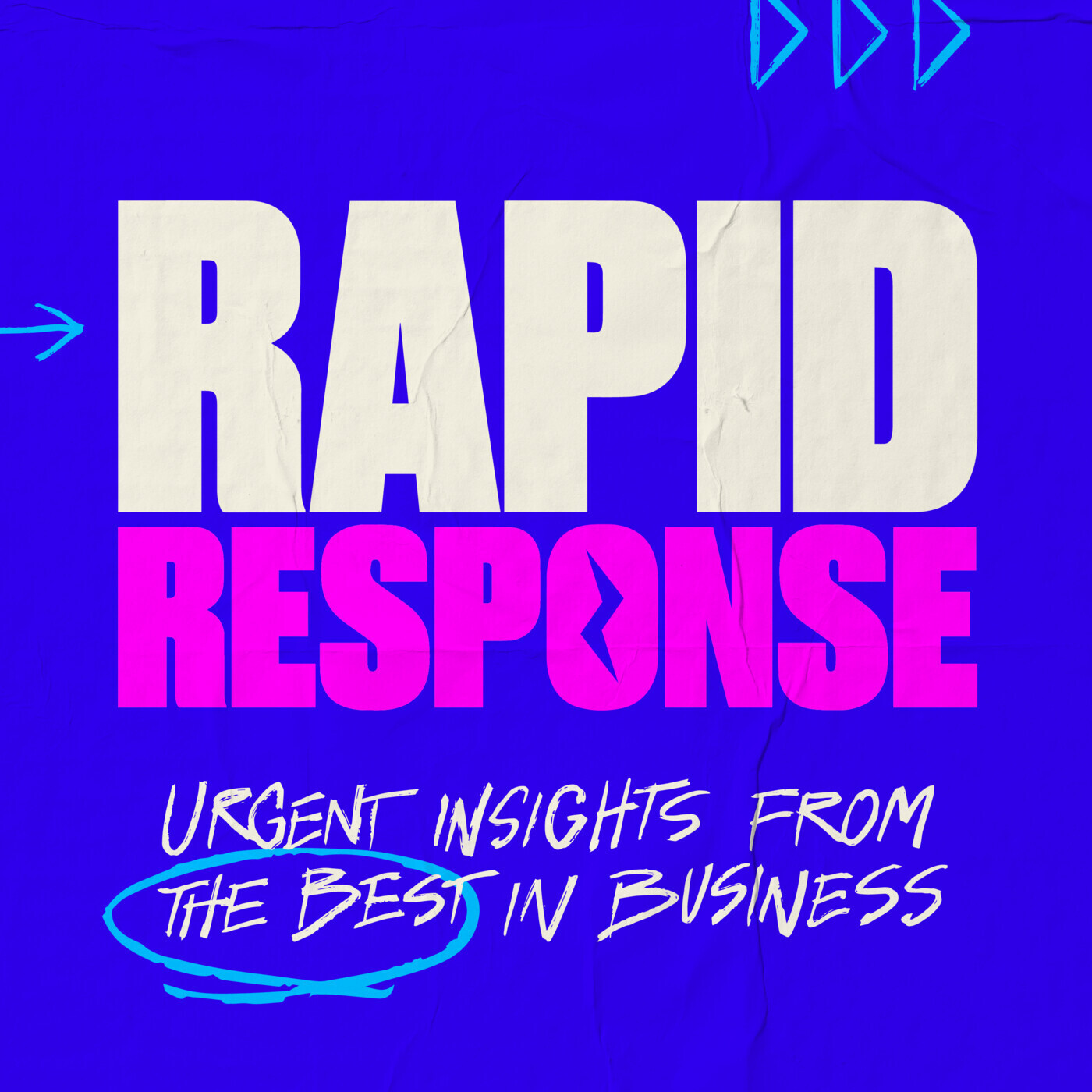
Founder Catherine Lockhart isn't afraid of copycats. She shares her manufacturing process openly, believing the sheer difficulty of execution is a sufficient barrier to entry. This radical transparency builds customer trust and turns potential trade secrets into a powerful marketing asset.
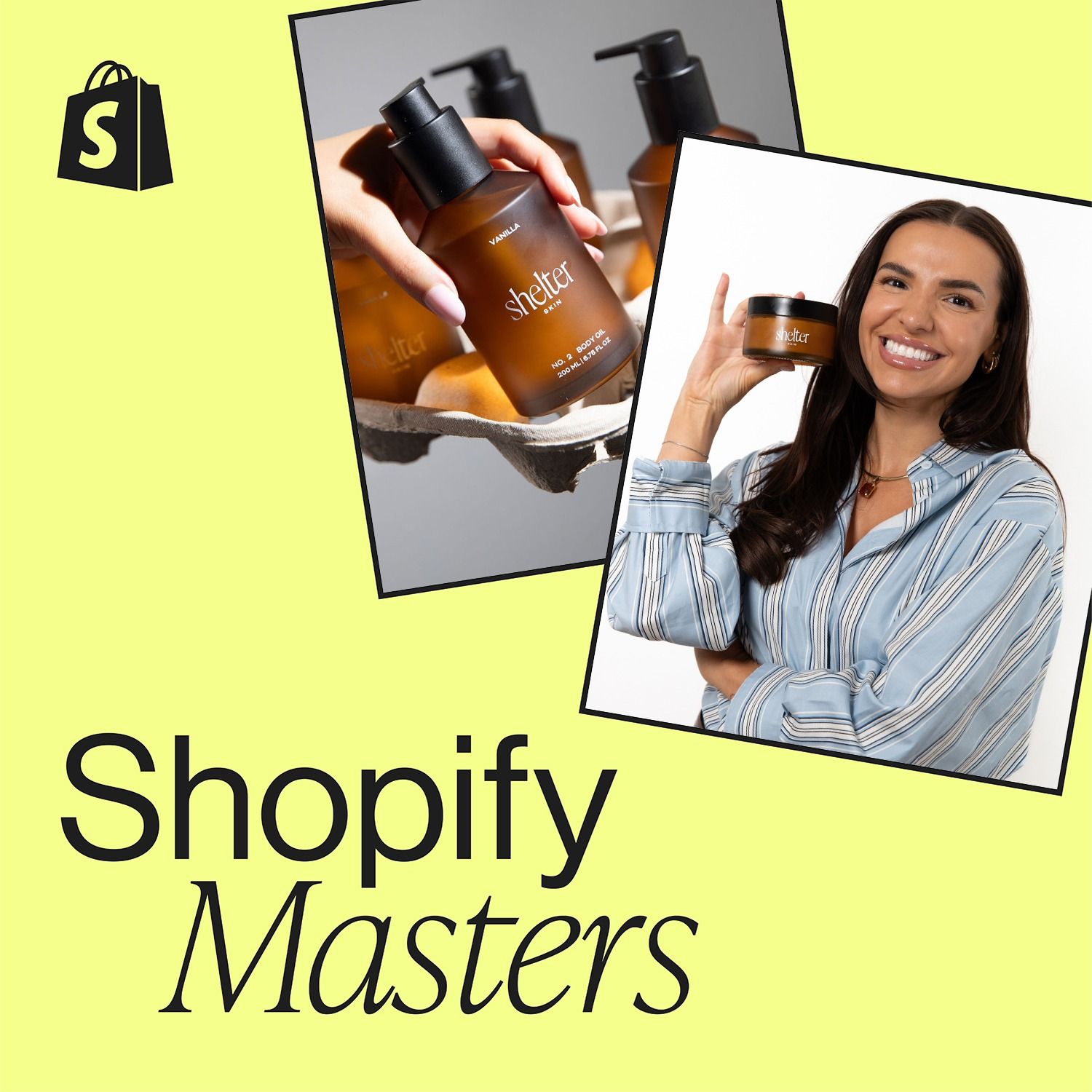
The founder reconciles the high price of her luxury shoes by positioning them as a solution that removes a major distraction for successful women. By eliminating foot pain, the shoes allow these high-impact individuals to focus their energy on more important work, making the product an investment in their overall effectiveness.
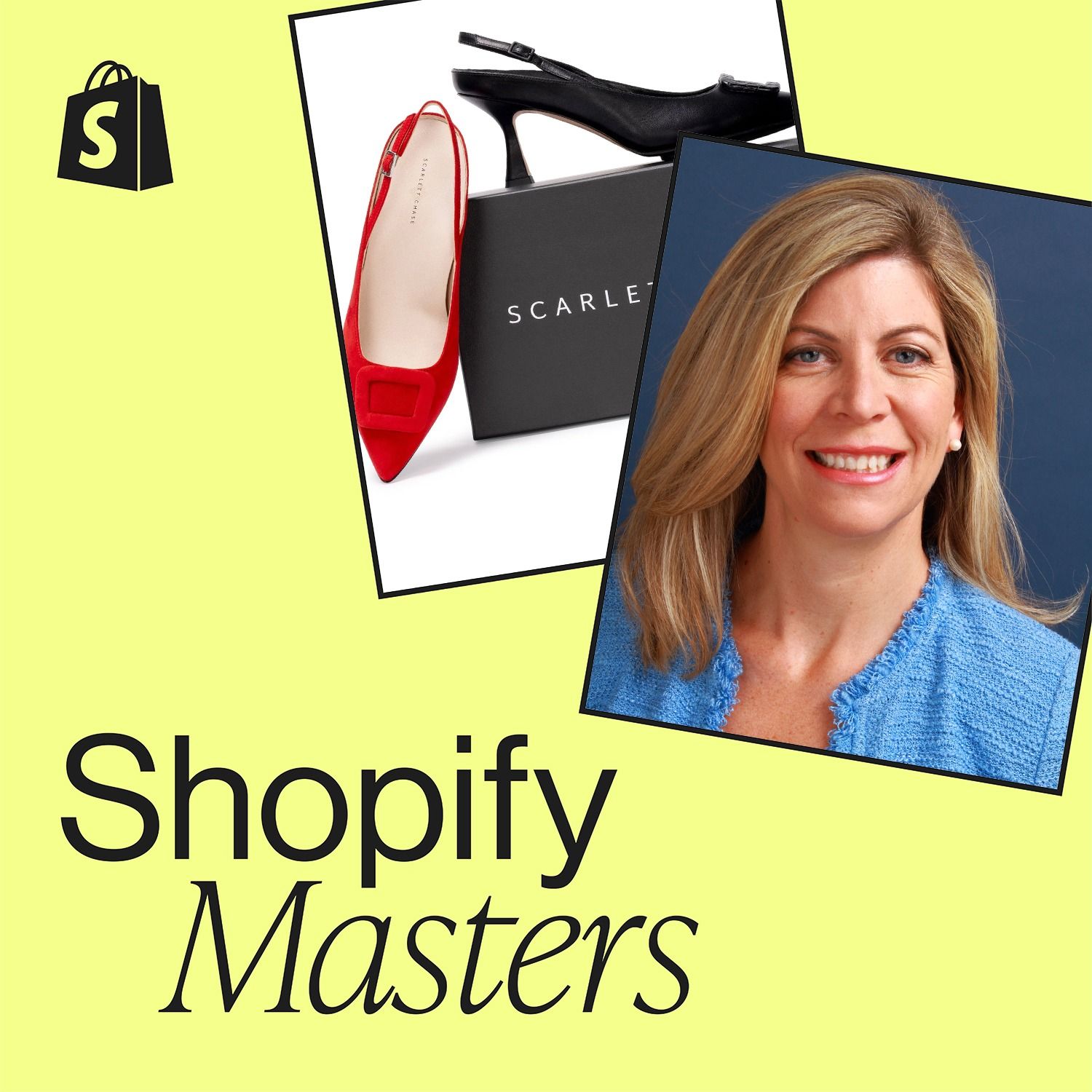
Persisting with a difficult, authentic, and more expensive production process, like using fresh ingredients instead of flavorings, is not a liability. It is the very thing that builds a long-term competitive advantage and a defensible brand story that copycats cannot easily replicate.

Founders like James Dyson and Yvon Chouinard represent the "anti-business billionaire." They are obsessed with product quality and retaining control, often making decisions that seem financially sub-optimal in the short term. This relentless focus on creating the best product ultimately leads to massive financial success.

When Sephora first approached T3, their request was to create a Sephora-branded hair dryer. Despite being a young, bootstrapped company, T3 declined the white-label opportunity. They insisted on selling under their own brand name, a crucial decision that allowed them to build long-term brand equity instead of becoming a disposable supplier.
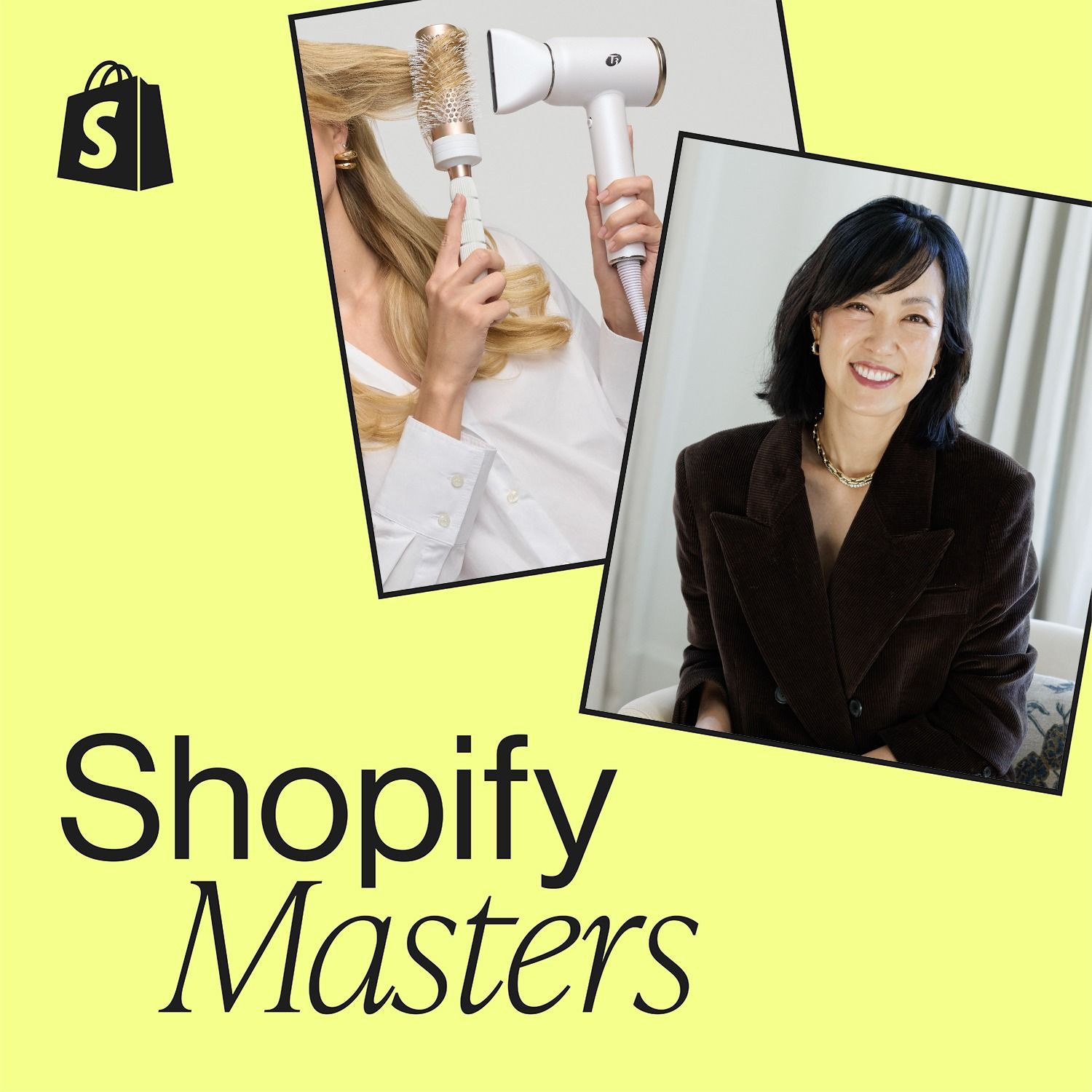
The era of simply 'slapping a celebrity face' on a product is over. Modern consumers demand authenticity. Successful brands like Fenty and Rare Beauty thrive because their founders are deeply involved, knowledgeable about the products, and genuinely connected to a larger mission, such as inclusivity or mental health.

Luxury brands face a crisis as internal pressure to increase profit multiples from ~8x manufacturing cost to 12-15x forces a shift away from artisanal craftsmanship to mass production, undermining the very quality that justifies their premium prices.