Get your free personalized podcast brief
We scan new podcasts and send you the top 5 insights daily.
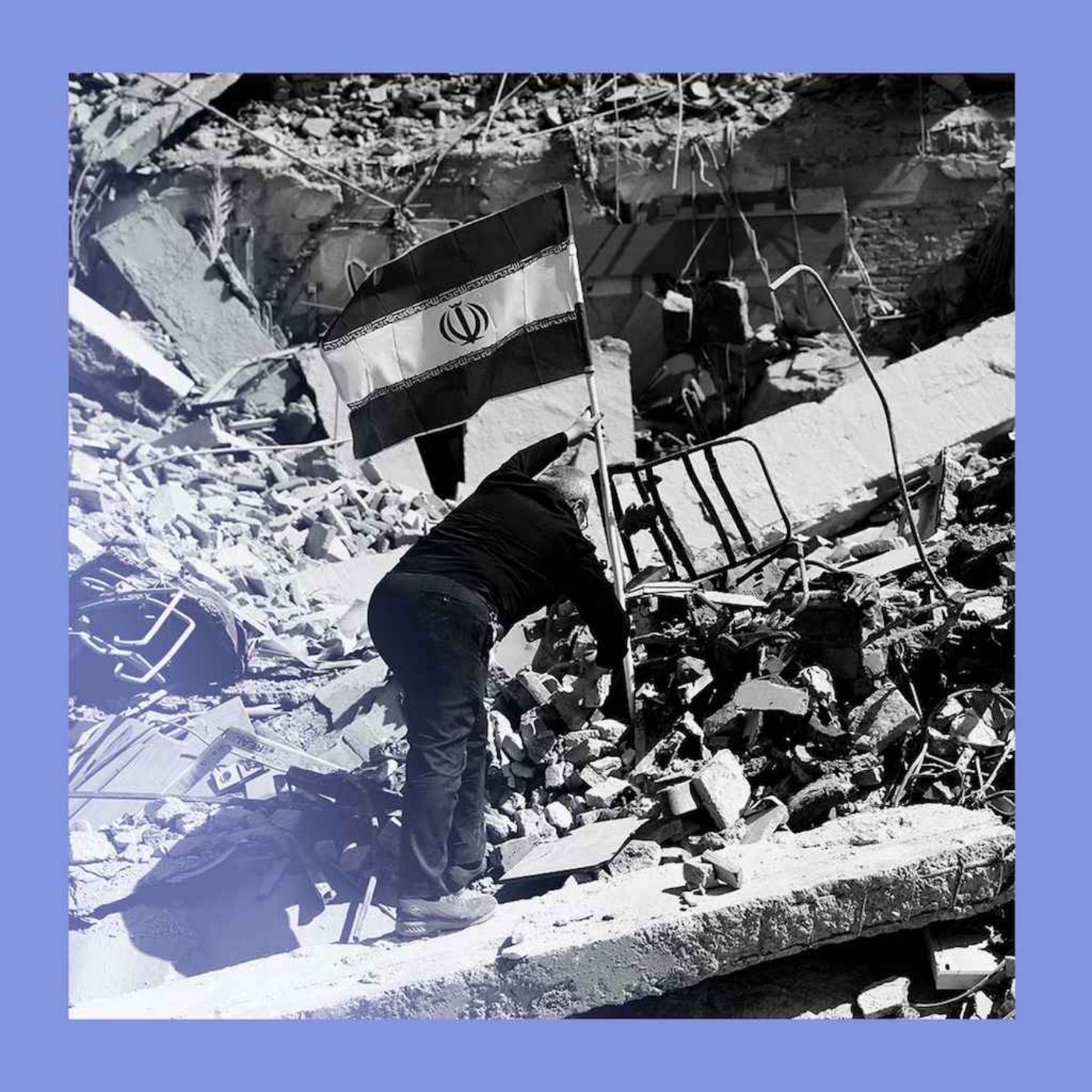
Advocates for regime change in Iran ignore the lessons of Iraq and Afghanistan. Destroying the existing regime is far easier than building a new, stable government. The US has a poor track record, spending trillions and thousands of lives in similar efforts only to see the original powers, like the Taliban, return.

Related Insights
The bombing campaign, aimed at regime change, could be counterproductive. Prior to the conflict, Iran's regime was seen as unpopular and frail, potentially heading for collapse or moderation. The external attack risks creating a rally-round-the-flag effect, allowing the regime to consolidate power where mere survival becomes a victory.
Historical data since World War II shows that when authoritarian regimes fall, they lead to a stable democracy only about 20% of the time. The most common outcome—in over 80% of cases—is the replacement of one authoritarian system with another, a sobering statistic for post-regime change planning in countries like Iran.

The Trump administration's apparent strategy of decapitating leadership to find a compliant successor is unlikely to work in Iran. Unlike Venezuela, Iran's power is deeply institutionalized, it lacks an obvious cooperative figure, and potential US targets for that role have already been eliminated.

The "absolutely clinical" US raid to capture Venezuela's president is lauded as a military success. However, historical precedents from Afghanistan in 2001 and Iraq in 2003 show that initial military prowess in toppling a regime is no guarantee of long-term strategic success, which depends on far more complex political factors.
A clean, external removal of Iran's leadership, similar to what occurred in Venezuela, is unlikely. Iran's population is nearly four times larger, it is geographically distant, and the American political psyche associates the Middle East with costly military entanglements, creating a much higher barrier to intervention.

Defining success as an ambitious, all-or-nothing outcome like 'regime change' is a critical mistake. Instead, administrations should set clear, measurable military objectives, such as degrading missile capabilities or naval threats. This allows them to define success, declare victory, and create a clear off-ramp for military campaigns.
The hope that airstrikes can catalyze a popular uprising for regime change is historically unfounded. Unlike in Afghanistan or Libya where local ground forces existed, there is no organized army on the ground in Iran to capitalize on air power, making a decapitation strategy highly unlikely to succeed.
A U.S. military strike to remove Ayatollah Khamenei is unlikely to help protesters. Analysis suggests it would more likely result in the Revolutionary Guard seizing control or other regime remnants continuing the fight, ultimately failing to satisfy the opposition and potentially worsening the civil conflict.

Unlike the de-Ba'athification in Iraq, the proposed transition for Iran includes a path for members of the current military and bureaucracy. Those who did not commit atrocities will be offered roles or retirement, a strategy designed to ensure stability and prevent a power vacuum.

The US approach to Iran is not traditional regime change with ground troops. Instead, it involves targeted strikes to eliminate key leaders ("decapitation"), creating a power vacuum with the hope that the already revolutionary-minded Iranian public will topple the government from within.