Get your free personalized podcast brief
We scan new podcasts and send you the top 5 insights daily.
To combat the perception of being overly processed, WK Kellogg highlights the simplicity of its products. By marketing that Frosted Flakes has just four natural ingredients, the brand reframes itself to appeal to modern consumers seeking clean labels and transparency.

Related Insights
Traditional pharma marketing, heavily reliant on science and data, can be improved by adopting consumer goods principles. This involves focusing on simplicity, message consistency, and tapping into emotional insights to cut through a cluttered and competitive marketplace.

When considering adding protein powder to its classic pecan log roll, Stuckey's was advised against it. For a heritage brand, changing a beloved recipe to chase a trend risks alienating its core audience and losing authenticity. Like Stacey's Pita Chips refusing to make a gluten-free version, some products should remain true to their original form.

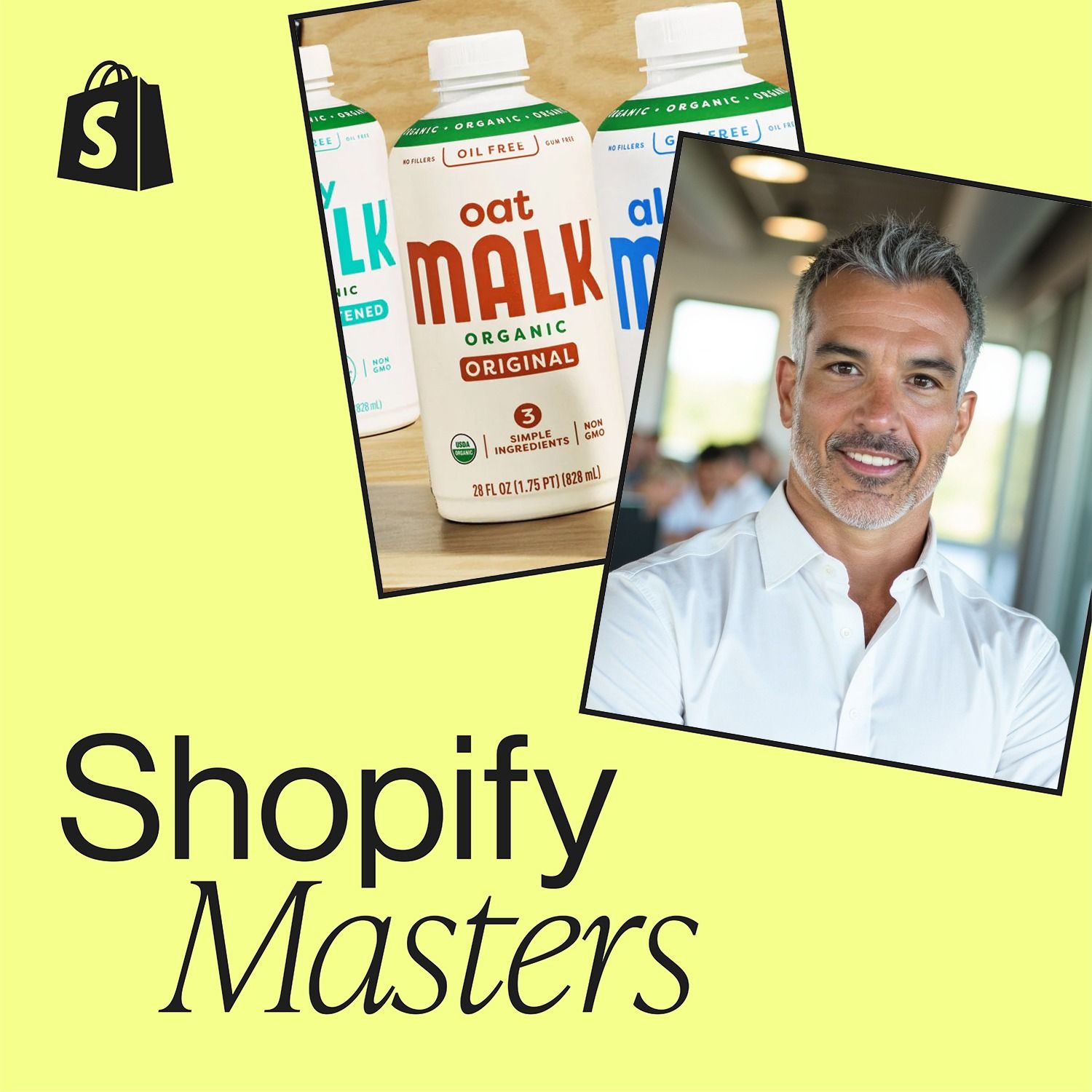
Malk's messaging evolved from focusing on what it lacked (gums, fillers) to highlighting the sensory experience of using the product. Recognizing that taste is paramount, the brand created assets showing the milk being poured into coffee or cereal. This shift from a rational, feature-based message to an emotional, benefit-driven one is key for brand maturation.
Enduring 'stay-up' brands don't need to fundamentally reinvent their core product. Instead, they should focus on creating opportunities for consumers to 'reappraise' the brand in a current context. The goal is to make the familiar feel fresh and relevant again, connecting it to modern culture.

Kellogg validated its bet on fiber after internal research showed it rivaled protein in consumer interest for the first time. This was confirmed by external data showing a 159% surge in Instagram searches for "high fiber foods," signaling a powerful, emerging cultural trend.
Consumers are trained by food packaging to look for simple, bold 'macros' (e.g., '7g Protein,' 'Gluten-Free'). Applying this concept to non-food items by clearly stating key attributes ('Chemical-Free,' 'Plant-Based') on the packaging can rapidly educate consumers at the point of purchase and differentiate the product.
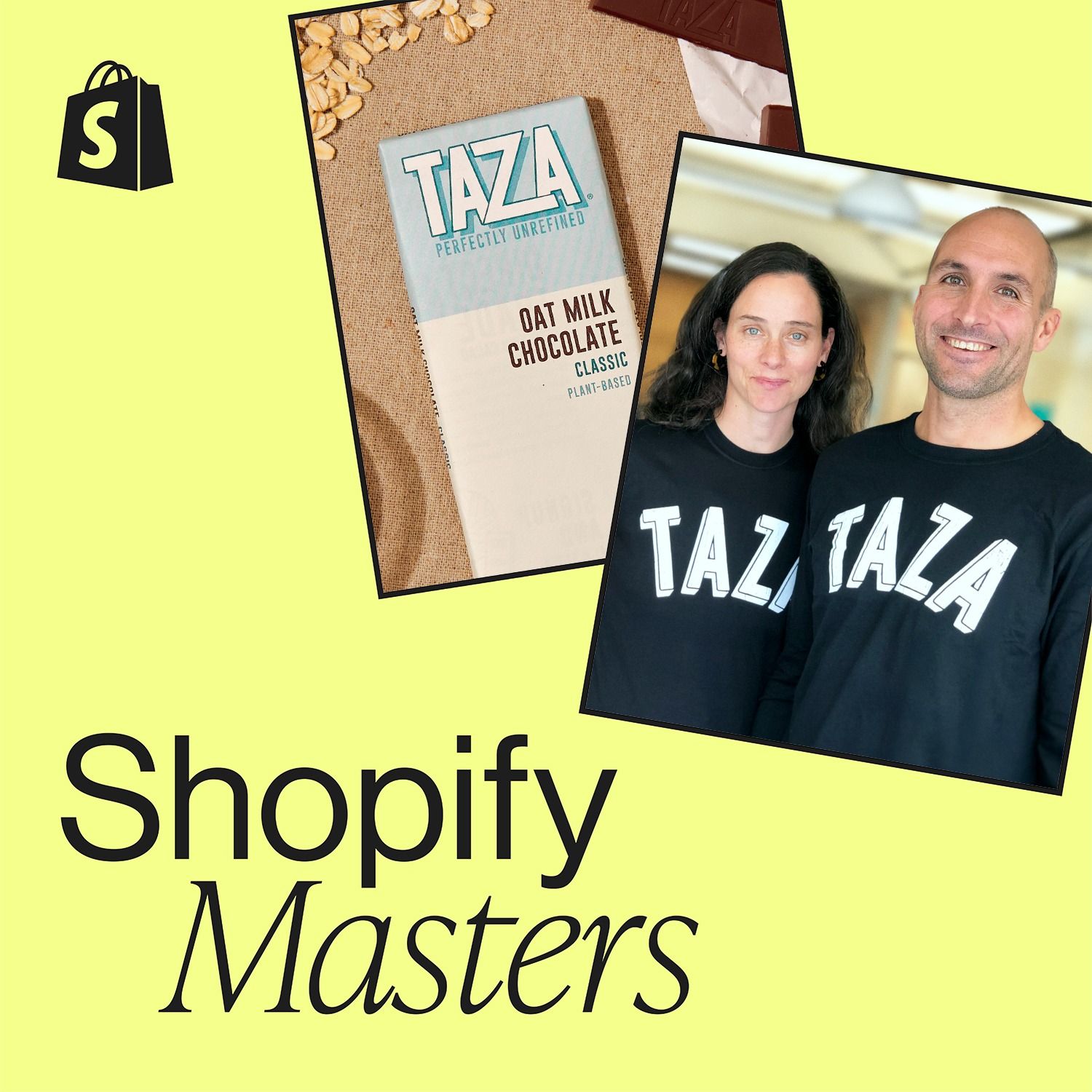
Taza resisted the huge trend of sugar-free chocolate because they couldn't create a version that met their high flavor standards. By refusing to compromise their core product principles, they maintained brand integrity, which was validated when consumer preference swung back to "real" ingredients.
The success of "Zero Sugar" sodas over "Diet" sodas, despite being nearly identical products, reveals a generational shift in values. Younger consumers reject the restrictive connotations of "dieting" and embrace the positive, wellness-focused language of "zero," which aligns with a lifestyle of health optimization.

Instead of reformulating its classic pecan log roll, Stuckey's should reframe it for a modern audience. By calling it "America's first protein bar," it connects the product's inherent, historical quality (pecans as a protein source) to the current consumer focus on plant-based protein, making it relevant without changing the recipe.
A significant trend is the "renaissance of product" in advertising. After years of chasing abstract, higher-order purpose, successful brands like McDonald's and Heinz are finding creative gold by focusing on tangible product truths and the reasons consumers genuinely love them.
