Get your free personalized podcast brief
We scan new podcasts and send you the top 5 insights daily.
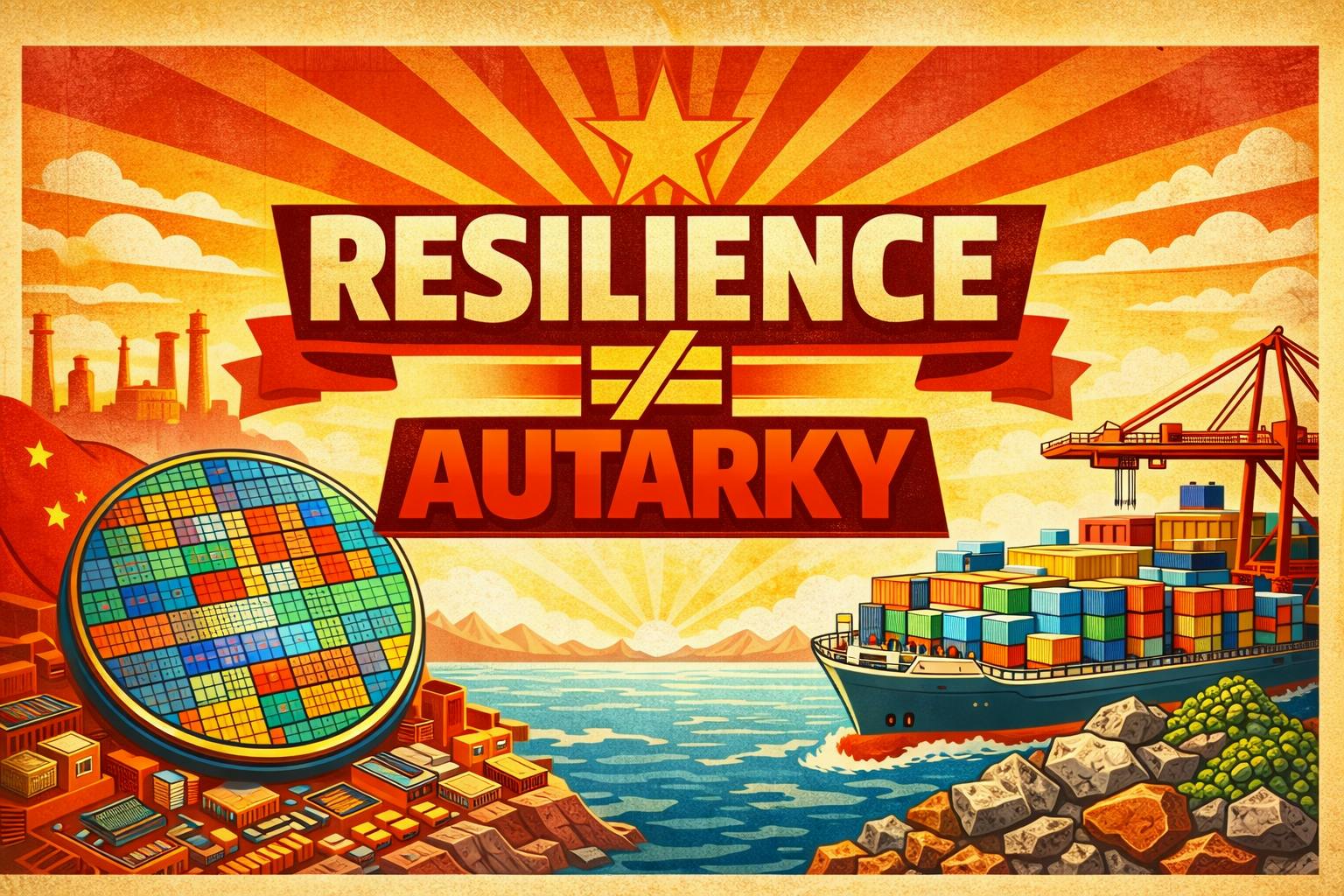
China is completely dependent on US-policed sea lanes for oil and food. The U.S. could trigger a civilizational collapse, potentially killing half the population, by simply using a few destroyers to stop energy and food flows near Singapore. This can be done without a direct military confrontation on Chinese soil.

Related Insights
While Venezuela is a minor oil supplier to China, Iran is a substantial source of crude and heavy oil used for infrastructure projects like asphalt. A regime change in Iran could lead to the country selling its oil to the West instead of China, creating a significant economic and geopolitical destabilization for Beijing.

The strategic competition with China is often viewed through a high-tech military lens, but its true power lies in dominating the low-tech supply chain. China can cripple other economies by simply withholding basic components like nuts, bolts, and screws, proving that industrial basics are a key geopolitical weapon.

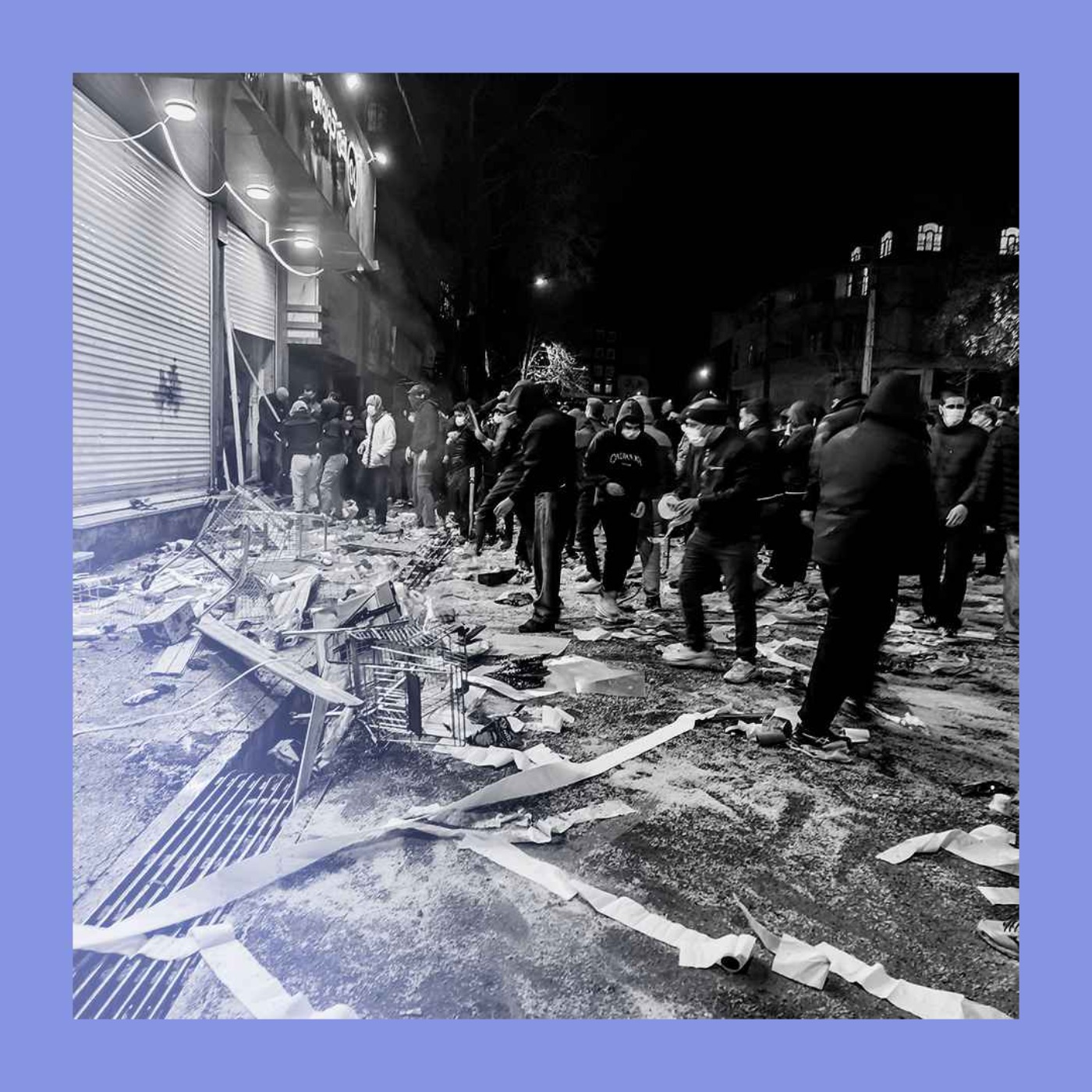
Protests in Iran, if they disrupt the regime, could halt cheap oil flows to China. This would force China to buy from more expensive, US-friendly markets, strengthening the US dollar's global dominance and isolating anti-Western powers without direct US intervention.

China's frantic deployment of solar is a strategic move to reduce dependence on oil imported through sea lanes it doesn't control, such as the Strait of Malacca. By becoming an 'electrostate,' China aims to neutralize a key point of economic and military leverage held by the U.S. and its allies.

In economic warfare, controlling an intermediate good like a microcontroller is more powerful than controlling a finished product like a car. Because intermediate goods are inputs to many different supply chains, disrupting their flow causes far broader and more cascading damage to an adversary's economy, creating greater geopolitical leverage.
U.S. foreign policy actions against Venezuela and Iran are not primarily about democracy but are strategic moves to disrupt the flow of cheap, sanctioned oil to China. By controlling these sources, the U.S. can directly attack a key adversary's economic and military engine.

The conflict is not primarily about oil or drugs, but a strategic move to reassert U.S. dominance in the Western Hemisphere. As China solidifies its influence in the East, the U.S. is 'drawing a line' to counter China's partnerships (like with Venezuela) in its own sphere of influence.

Instead of a full-scale invasion, China is employing an "anaconda strategy" of constant, low-level pressure. Tactics like cutting undersea cables and sending drones are designed to exhaust and demoralize Taiwan, making a military response from the US difficult to justify.
Since the U.S. is a net oil exporter, controlling massive reserves like Venezuela's is less critical. The real power now lies in controlling the flow of oil to adversaries like China, which is dependent on imports and could be crippled by a supply cutoff.

The most significant point of friction for ordinary Chinese citizens is the constant U.S. military presence near its borders, such as naval patrols in the Taiwan Strait and bases in South Korea and Japan. This sense of being militarily encircled is a more potent source of public frustration than economic disputes.
