Get your free personalized podcast brief
We scan new podcasts and send you the top 5 insights daily.
In economic warfare, controlling an intermediate good like a microcontroller is more powerful than controlling a finished product like a car. Because intermediate goods are inputs to many different supply chains, disrupting their flow causes far broader and more cascading damage to an adversary's economy, creating greater geopolitical leverage.

Related Insights
China holds a choke point on the global pharmaceutical supply chain, being the sole source for key ingredients in hundreds of US medicines. This leverage could be used to restrict supply, creating shortages and price hikes, opening a new, sensitive front in geopolitical tensions.
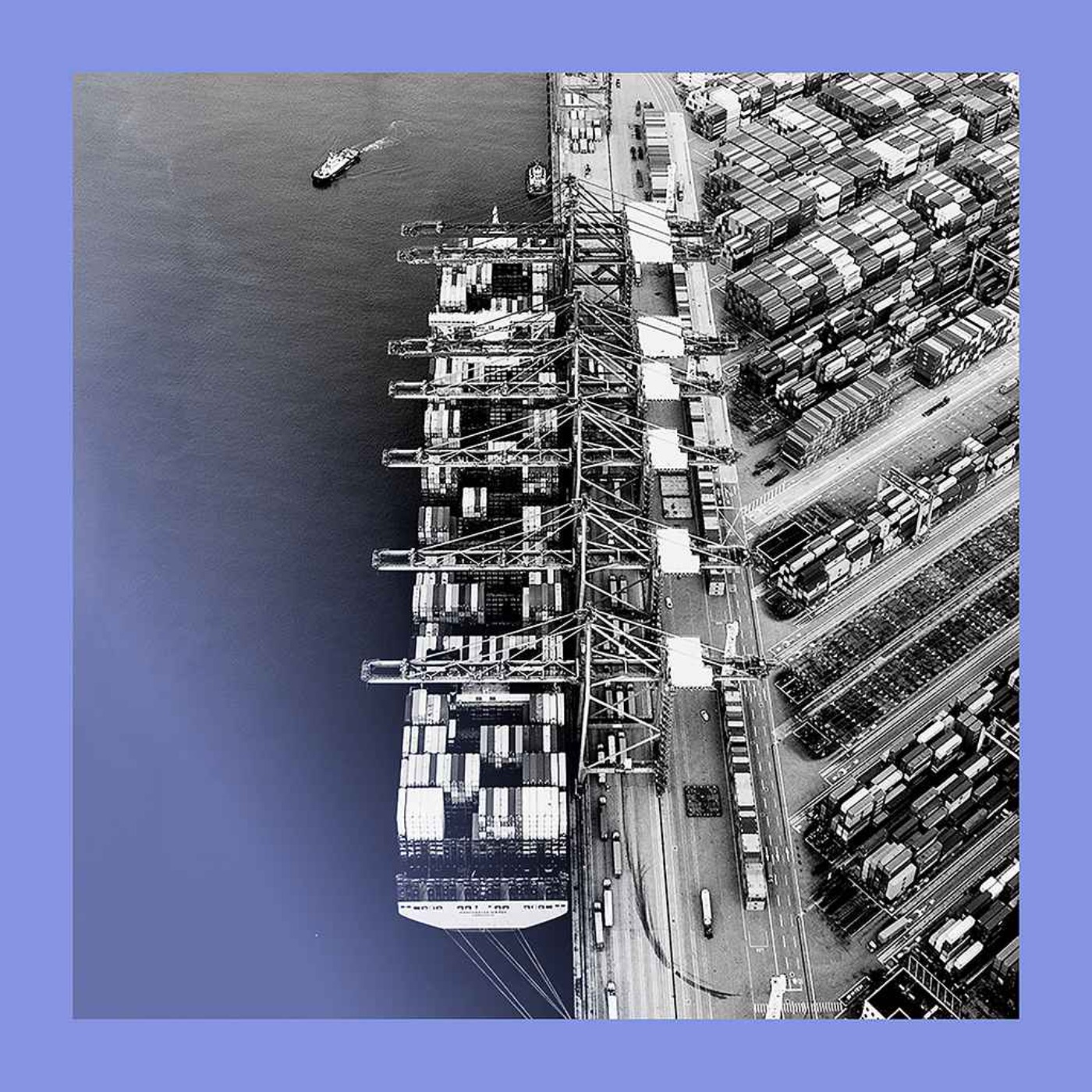
The strategic competition with China is often viewed through a high-tech military lens, but its true power lies in dominating the low-tech supply chain. China can cripple other economies by simply withholding basic components like nuts, bolts, and screws, proving that industrial basics are a key geopolitical weapon.

Modern global conflict is primarily economic, not kinetic. Nations now engage in strategic warfare through currency debasement, asset seizures, and manipulating capital flows. The objective is to inflict maximum financial damage on adversaries, making economic policy a primary weapon of war.

China is leveraging its 90% control over rare earth processing not just against the US, but globally. By requiring licenses from any company worldwide, it creates a chokehold on high-tech manufacturing and establishes a new template for economic coercion.
China demonstrated its significant leverage over the U.S. by quickly pressuring the Trump administration through a partial embargo on rare earth metals. This showcased a powerful non-tariff weapon rooted in its control of critical mineral supply chains, which are also vital for defense applications.

Following US policy moves, China is likely to expand its use of export controls on critical materials. Silver, essential for EVs, solar panels, and AI data centers, has been added to its list, signaling a willingness to leverage its supply chain dominance as a geopolitical tool against rivals.

The central geopolitical and economic conflict of the modern era revolves around the control of semiconductor chips and fabrication plants (fabs). These have surpassed oil as the most critical strategic resource, dictating technological and military superiority.

While headlines focus on advanced chips, China’s real leverage comes from its strategic control over less glamorous but essential upstream inputs like rare earths and magnets. It has even banned the export of magnet-making technology, creating critical, hard-to-solve bottlenecks for Western manufacturing.

The Nexperia dispute reveals China's strategic leverage. By controlling the supply of mid-tech chips for basic car functions like airbags and windows, Beijing can cripple major European automakers, demonstrating its influence over global supply chains beyond just high-end tech.
A zero-tolerance policy on selling advanced AI chips to China might be strategically shortsighted. Allowing some sales could build a degree of dependence within China's ecosystem. This dependence then becomes a powerful point of leverage that the U.S. could exploit in a future crisis, a weapon it wouldn't have if China were forced into total self-sufficiency from the start.