Get your free personalized podcast brief
We scan new podcasts and send you the top 5 insights daily.
While Venezuela is a minor oil supplier to China, Iran is a substantial source of crude and heavy oil used for infrastructure projects like asphalt. A regime change in Iran could lead to the country selling its oil to the West instead of China, creating a significant economic and geopolitical destabilization for Beijing.

Related Insights
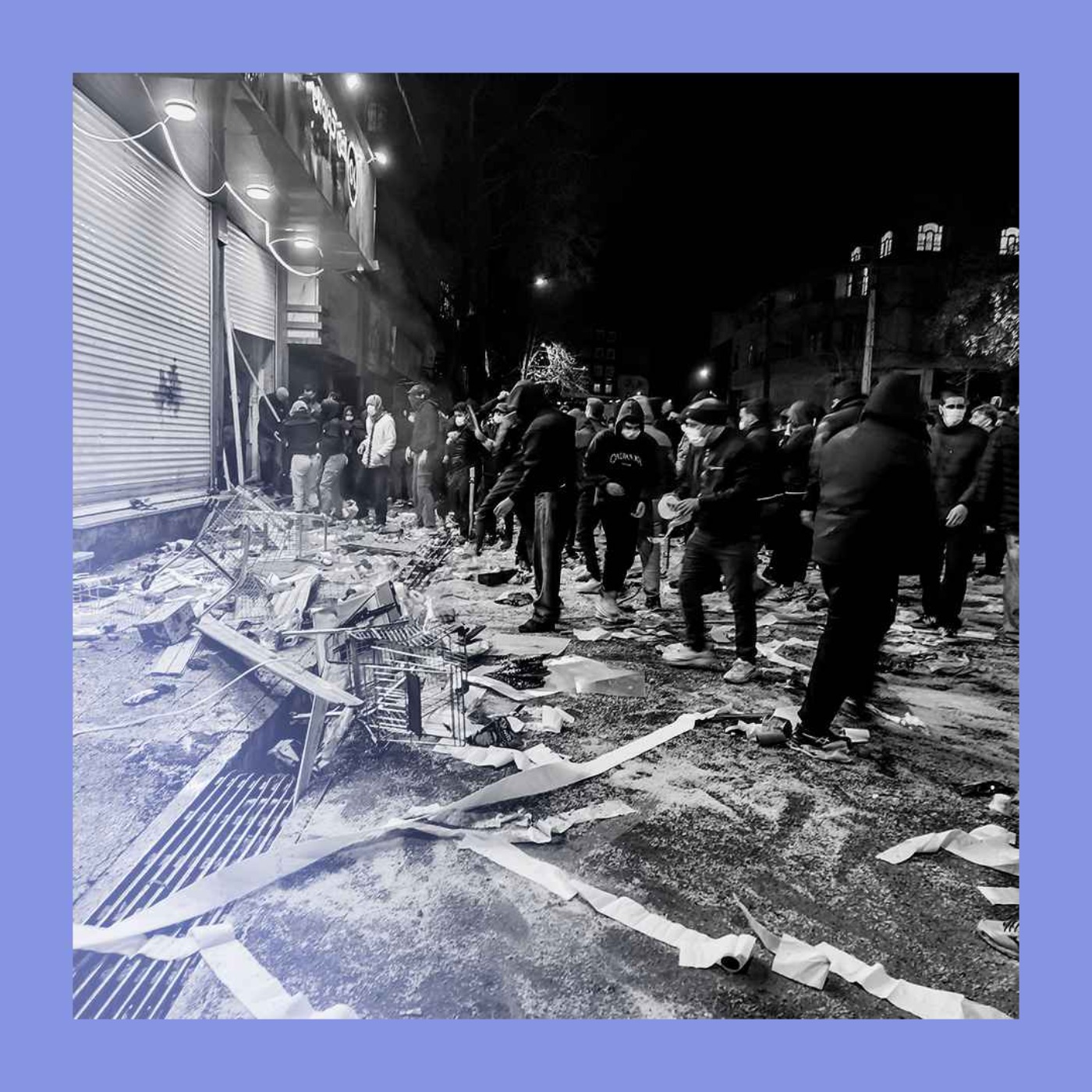
The US raid to capture Venezuela's president has sparked talk within Iran's elite about a similar "solution": removing Supreme Leader Khamenei to appease protestors and preserve the system, rather than allowing it to collapse entirely under external and internal pressure.
The public justification for the U.S. operation in Venezuela focused on drugs and oil, but the larger, under-discussed strategic threat is the presence of American adversaries in the Western Hemisphere. China controls Venezuelan mining, Iran operates drone facilities, and Russia provides radar systems, creating a significant geopolitical challenge in America's 'backyard' that the official narrative ignores.

China's renewed commitment to the previously stalled Power of Siberia 2 gas pipeline is a direct geopolitical response to the U.S. using trade and energy as weapons. This move signals a strategic pivot to reduce its energy dependency on the Western Hemisphere amid escalating trade tensions.

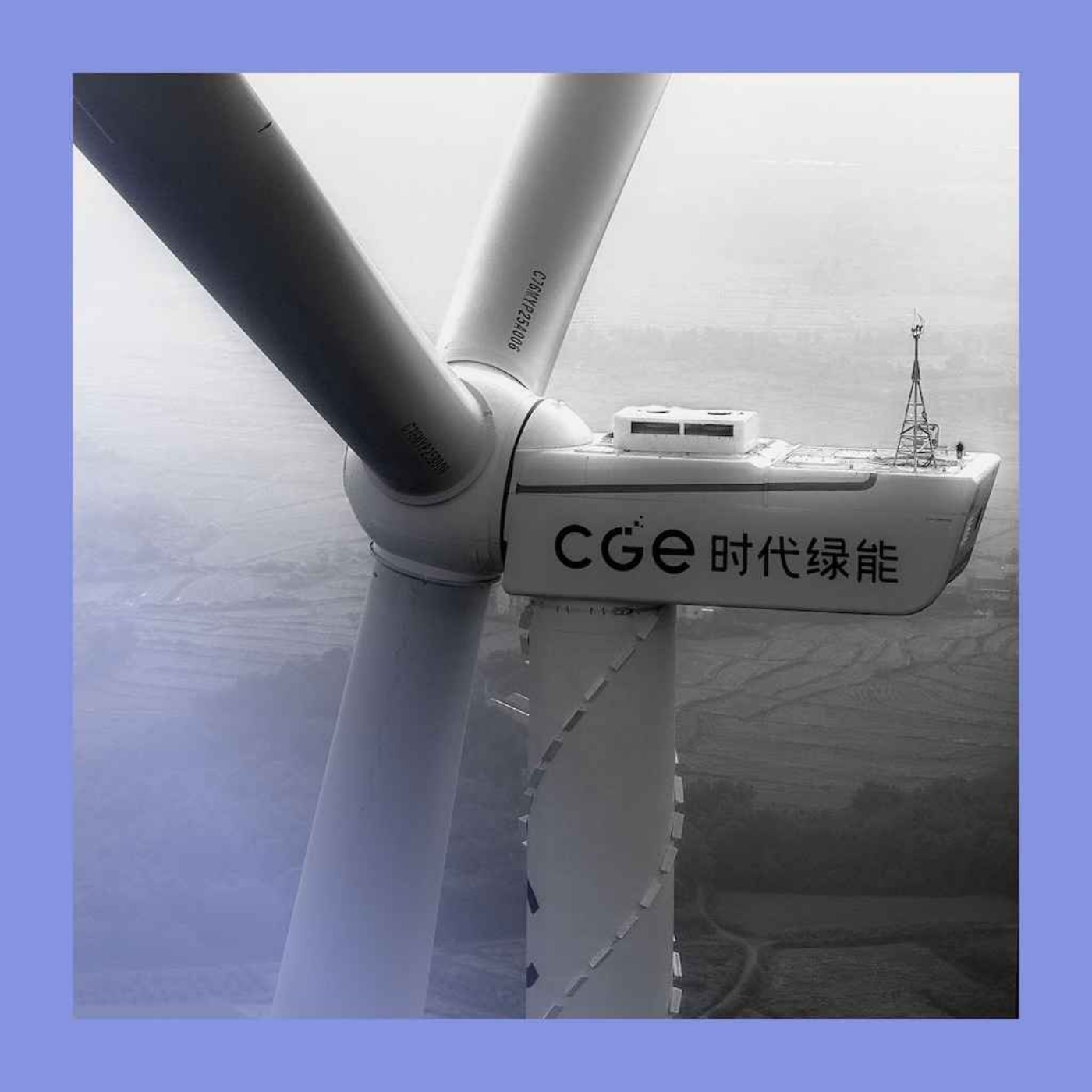
China's investment in green technology is driven less by environmentalism and more by strategic goals. By dominating renewables and EVs, China reduces its dependence on foreign oil—a key vulnerability in a potential conflict with the US—while building global soft power and boosting its GDP through green tech exports.
While a $10 billion loss on Venezuelan loans is substantial, it's a small fraction of the over $2 trillion China has lent via its Belt and Road Initiative. For Beijing, the erosion of a key strategic foothold in Latin America is a far greater concern than the financial write-down.

China's frantic deployment of solar is a strategic move to reduce dependence on oil imported through sea lanes it doesn't control, such as the Strait of Malacca. By becoming an 'electrostate,' China aims to neutralize a key point of economic and military leverage held by the U.S. and its allies.
A clean, external removal of Iran's leadership, similar to what occurred in Venezuela, is unlikely. Iran's population is nearly four times larger, it is geographically distant, and the American political psyche associates the Middle East with costly military entanglements, creating a much higher barrier to intervention.

Contrary to popular belief, China's influence in Venezuela is primarily economic, not strategic. They are a key consumer of oil but do not control the industry or the government. Russia, in fact, has a more embedded military and strategic presence in the country.

The current Iranian protests are uniquely potent because the regime is at its weakest geopolitically. The loss of regional proxies like Hezbollah and Hamas, coupled with key ally Russia's preoccupation with Ukraine, has left the Iranian government more isolated and vulnerable than during any previous wave of unrest.
While US sanctions are a factor, the Iranian currency's freefall is largely due to structural corruption. The economy is dominated by the military and clerical foundations, a political-economic model that stifles growth and fuels public anger—a problem sanctions relief alone cannot solve.