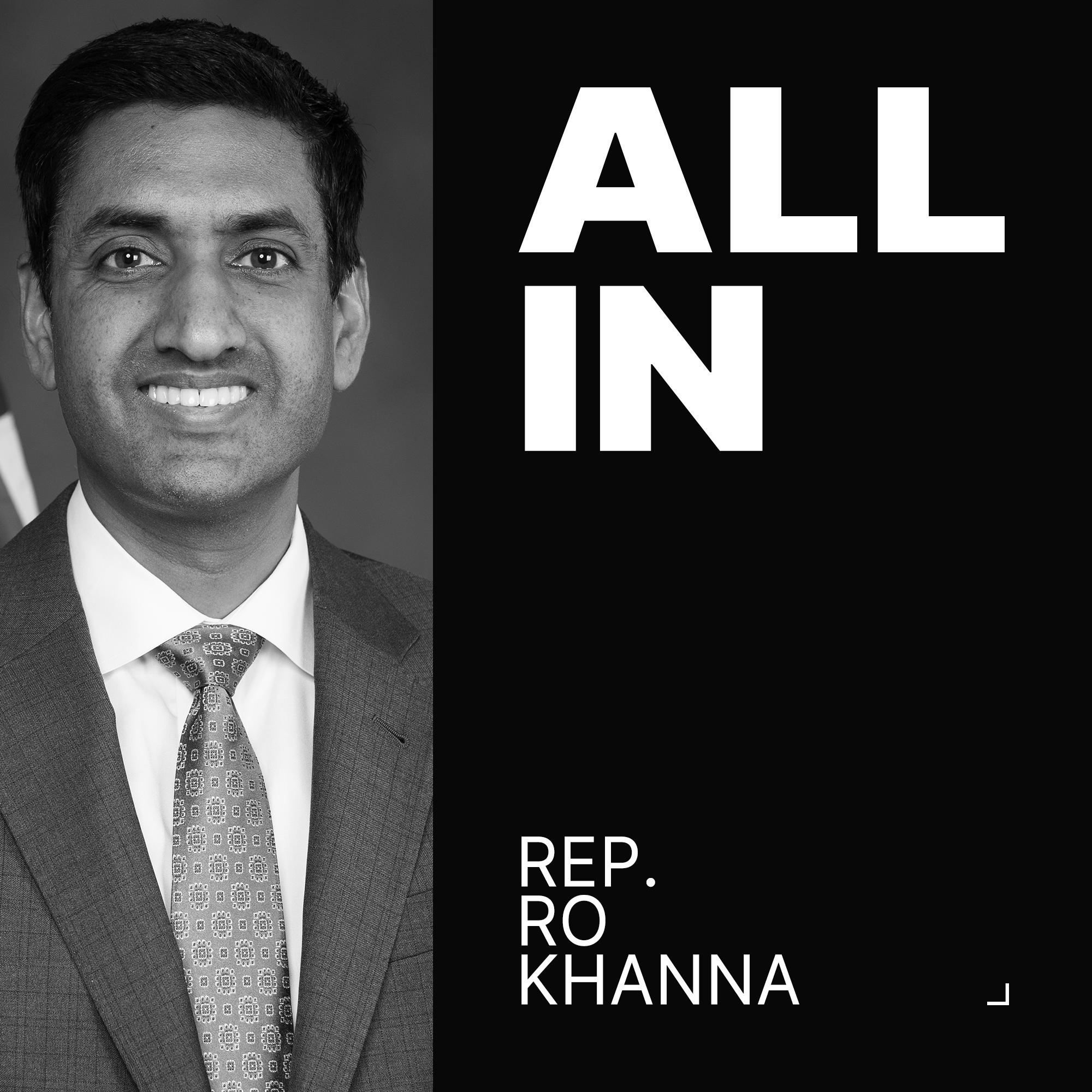
The Democratic Party's loss of Silicon Valley's support wasn't about campaign funds, but about culture. By vilifying entrepreneurs, the party allowed Trump to become the champion of innovation and the future, alienating a generation of young people who admire wealth creation and technological progress.
Unlike politicians who push a pre-set agenda, Trump engages business leaders by asking what their biggest problems are and what he can do to help. This listening-first approach, followed by direct action, builds powerful alliances and is a key feature of his political style.
Congressman Ro Khanna argues that the primary corrupting force in American politics has shifted from money to hate and extremism. The modern attention economy rewards divisive behavior with media coverage and base support, making rational, bipartisan compromise a politically costly strategy.
While China's top-down mandates for AI seem formidable, they create a creativity gap, reflected in high youth unemployment. The American system, which allows for creating 'silly' consumer apps, fosters a culture of innovation that is a key long-term advantage in the global tech race.
Congressman Ro Khanna makes the case that public safety is a prerequisite for economic prosperity, not a separate issue. He points to his own district, Silicon Valley, arguing its status as a global economic hub is directly correlated with its ranking as one of America's safest areas.
Ro Khanna argues that the true measure of a commitment to free speech isn't defending allies, but defending the speech of opponents. He builds credibility by citing his record of defending views he disagrees with, asserting this consistency is lacking on both political sides.
The success of progressive candidate Momdani in New York stems from his singular focus on the city's unaffordability crisis. While other candidates emphasized crime, Momdani tapped into the core anxiety of voters who feel they can no longer afford to live there, signaling a shift in urban voter priorities.
Progressive Democrat Ro Khanna concurs with Trump's goal of reforming H-1B visas to curb abuse by IT outsourcing firms. He argues against blanket fees, which hurt startups, and instead advocates for enforcing a prevailing wage standard to ensure visas go to truly high-skilled talent.
To retain top talent and prevent exploitation, Ro Khanna advocates an accelerated path to green cards for H-1B visa holders. This gives individuals labor mobility and market wages, while preventing them from returning to countries like China or India and fueling competitor economies.