Get your free personalized podcast brief
We scan new podcasts and send you the top 5 insights daily.
When job applications are flooded with AI-generated resumes, they become meaningless. The way to stand out is to bypass the traditional application process by building a public portfolio of your work and expertise through content creation.

Related Insights
Sending a resume is now an outdated and ineffective way to get noticed by AI startups. The proven strategy is to demonstrate high agency by building a relevant prototype or feature improvement and emailing it directly to the founders. This approach has led to key hires at companies like Suno and Micro One.

Don't wait for a job title to start working as a professional AI developer. Begin building projects, sharing your process and learnings publicly on platforms like LinkedIn or YouTube, and developing a portfolio. This demonstrates your skills and passion, making you an obvious hire for companies looking for this new role.

The best way to get noticed by hiring managers is to demonstrate your expertise in a real-world setting, like a webinar or a public project. This acts as a powerful, unsolicited interview, proving your value and legitimacy before a formal process even begins.

In a world saturated with AI-generated content and autonomous agents, the ability to prove one's humanness is the new foundational economic asset. A verifiable reputation, built on a track record of creativity, governance, and sound judgment, becomes more valuable than a traditional resume, serving as the essential trust anchor for all digital and economic interactions.
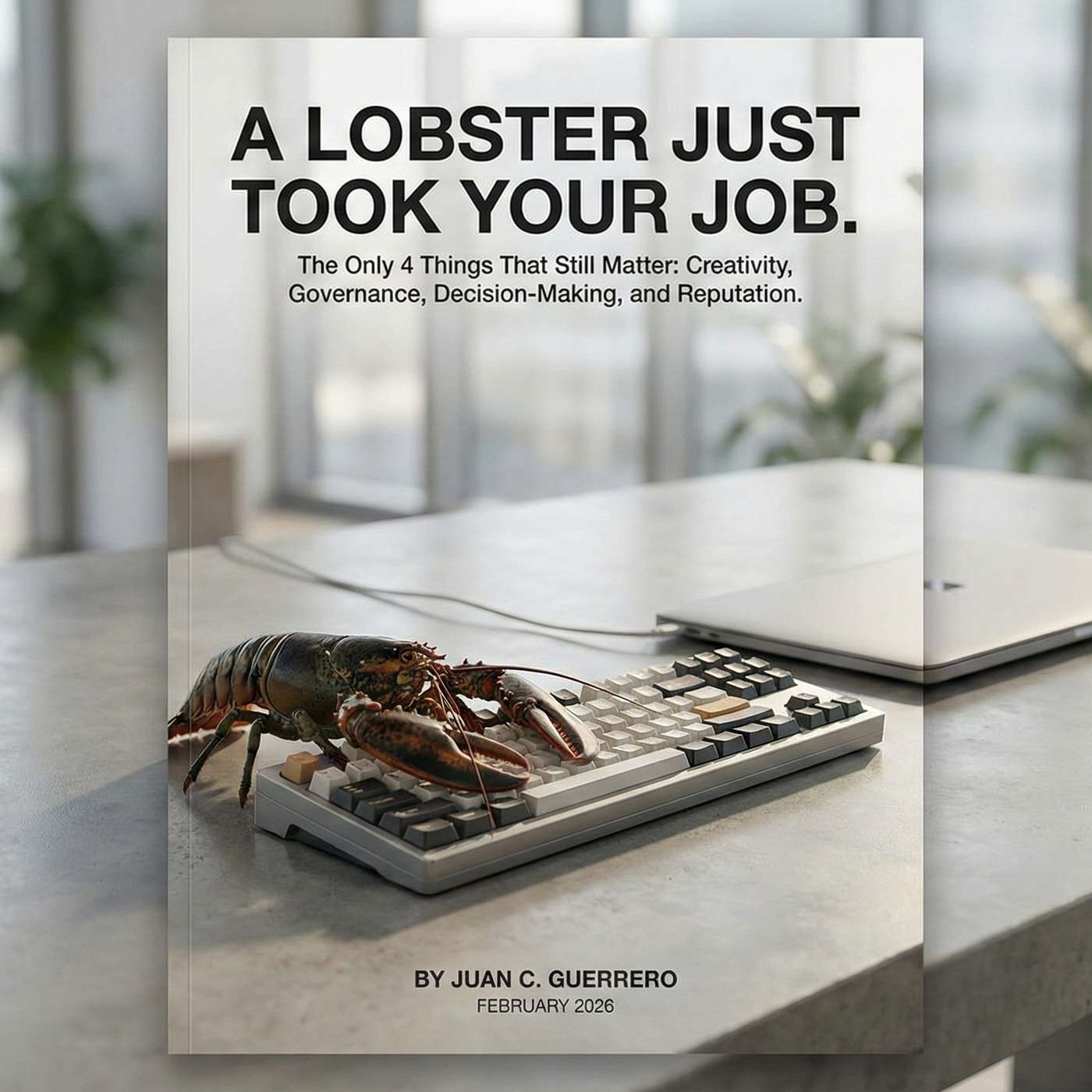
A consistent, high-quality newsletter in a specific niche acts as a living resume and portfolio. This strategy allows you to demonstrate expertise and attract inbound career opportunities from target companies. It's a proactive way to 'work backwards' from a desired role by proving your value publicly before you even apply.
To get hired in a competitive market, stop spamming resumes. Instead, consistently create and publish content on platforms like LinkedIn that showcases your expertise, knowledge, and passion for your craft. This demonstrates value and attracts opportunities, making you a magnet for recruiters rather than just another applicant.
The most compelling way to demonstrate AI skills to an employer is to build something. Creating custom GPTs for personal productivity or simple apps proves practical problem-solving ability far more effectively than a list of certifications on a resume.

To build an AI-native team, shift the hiring process from reviewing resumes to evaluating portfolios of work. Ask candidates to demonstrate what they've built with AI, their favorite prompt techniques, and apps they wish they could create. This reveals practical skill over credentialism.

Employers now value practical skills over academic scores. In response, students are creating "parallel curriculums" through hackathons, certifications, and open-source contributions. A demonstrable portfolio of what they've built is now more critical than their GPA for getting hired.
If you hate your job or are unemployed, transform your LinkedIn into a content platform. Post daily videos sharing insights and observations about your industry. This demonstrates active expertise and attracts opportunities from hiring managers who see your value, rather than just reading a static resume.