Get your free personalized podcast brief
We scan new podcasts and send you the top 5 insights daily.
A monolithic model struggles with complex documents. A better approach is a staged pipeline that separates tasks like image correction, text recognition, layout analysis, and final extraction. This isolates failure points, making errors easier to identify, test, and fix.

Related Insights
To make AI agents reliable with messy data, strip the layout-parsing responsibility from the LLM. Build a defensive, code-based wrapper that pre-checks document quality, pre-structures the data using coordinates, and uses separate validation steps. This treats the LLM as a reasoner, not a parser.
The researchers' failure case analysis is highlighted as a key contribution. Understanding why the model fails—due to ambiguous data or unusual inputs—provides a realistic scope of application and a clear roadmap for improvement, which is more useful for practitioners than high scores alone.
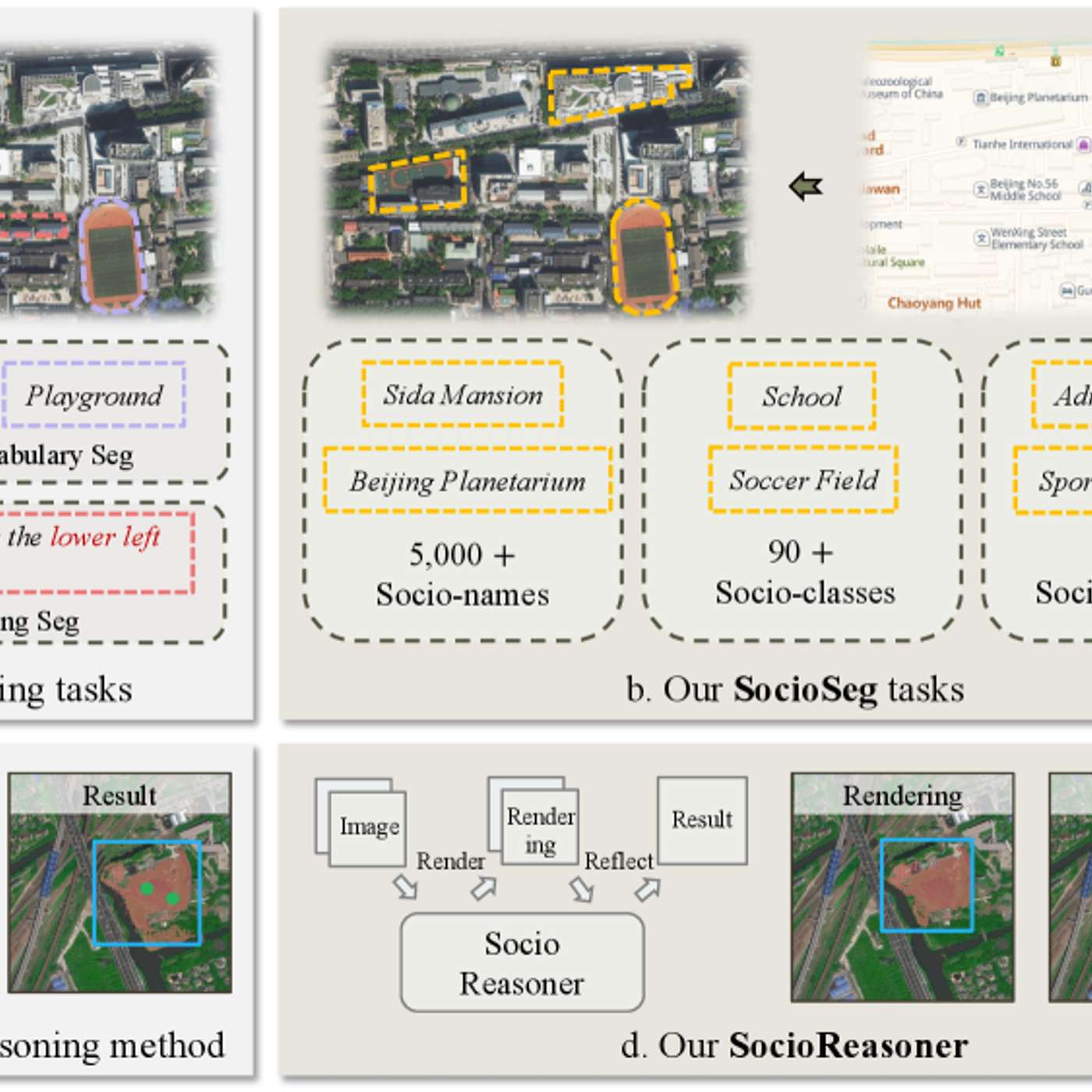
Standard Retrieval-Augmented Generation (RAG) systems often fail because they treat complex documents as pure text, missing crucial context within charts, tables, and layouts. The solution is to use vision language models for embedding and re-ranking, making visual and structural elements directly retrievable and improving accuracy.
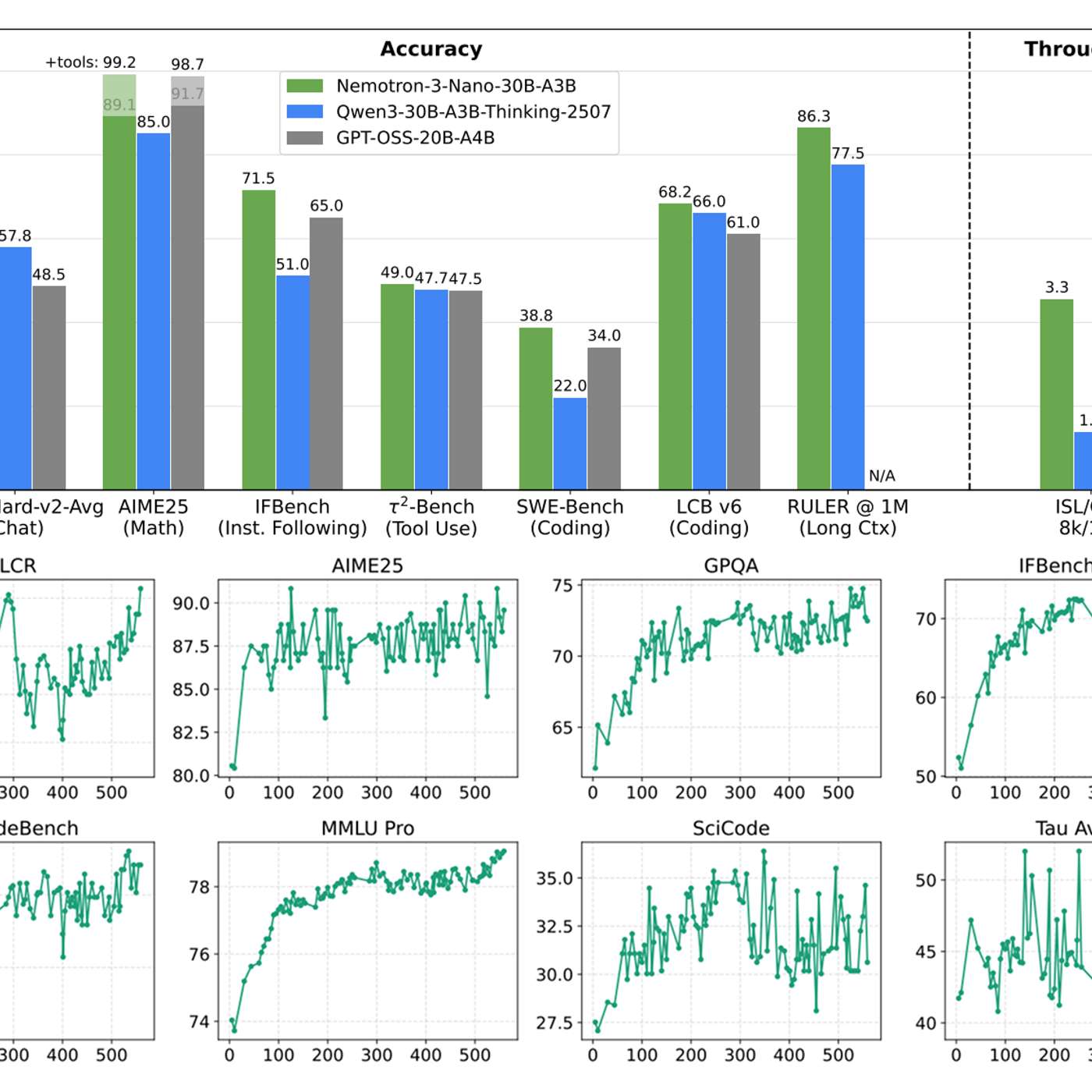
When asked to analyze 100 papers, LLMs often admit they didn't complete the task. This failure stems from outcome-based training, which prioritizes a plausible-looking final output over correctly following the required process, revealing a fundamental flaw in current training paradigms.

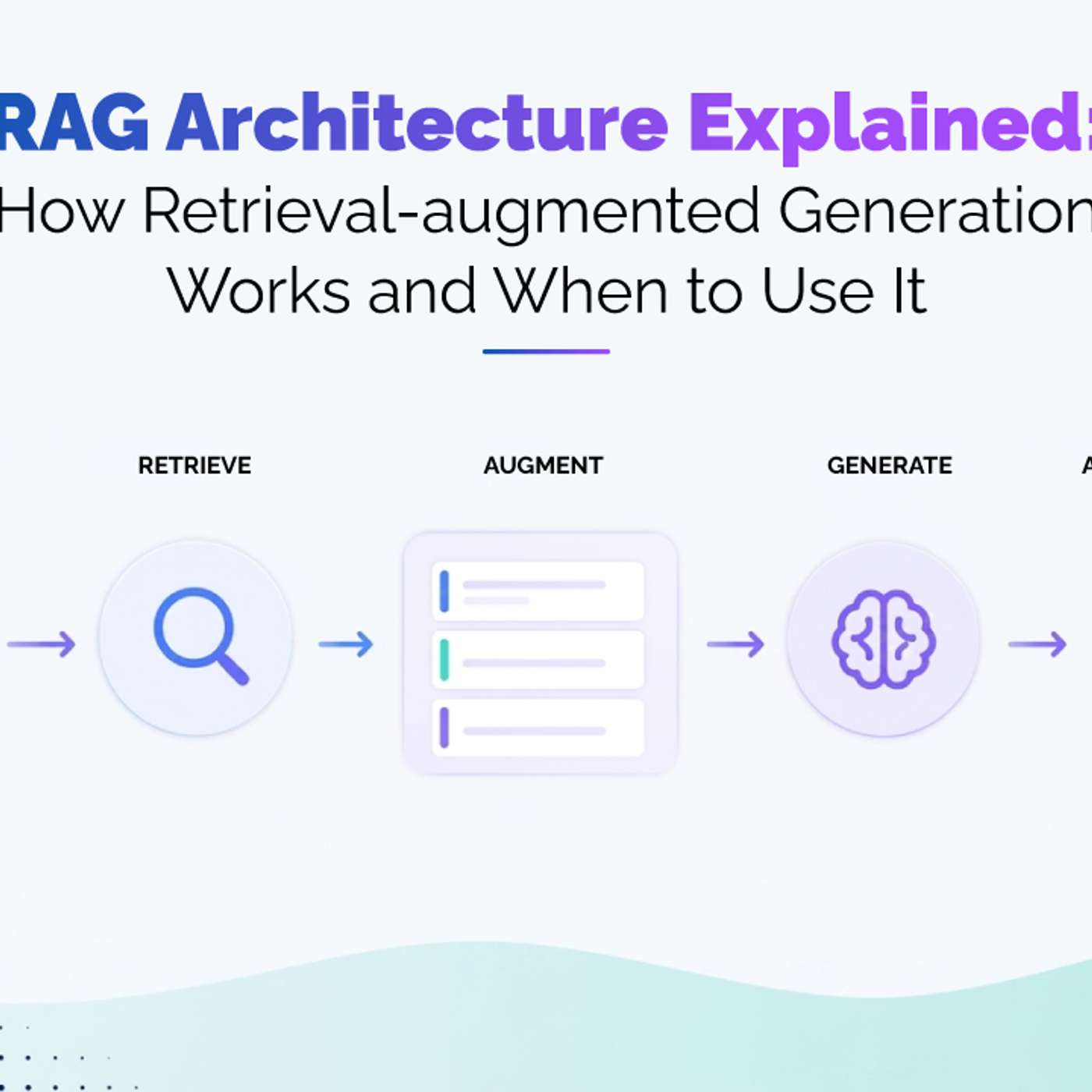
Most production RAG systems fail not because of the LLM or prompt, but due to poor document parsing, chunking, and indexing. Teams mistakenly debug the generation layer when the foundational data processing is the true root cause of poor performance.
Contrary to popular belief, many significant boosts in AI model quality don't originate from novel algorithms. Instead, they come from the less glamorous work of identifying and fixing subtle bugs within the data and model training pipelines.

Comprehensive model evaluation doesn't always require thousands of test cases. To diagnose a specific issue, like an image recognition failure, a focused set of just dozens of examples can be sufficient. This smaller, targeted approach is enough to prove a hypothesis and create a clear evaluation metric for researchers to iterate against.

Custom tokenizers and embeddings, created for a foundation model, can be repurposed to enhance other data engineering tasks. They can improve OCR accuracy on domain-specific documents, allowing for better text-based processing and avoiding the higher cost of vision models.

While frontier models like Claude excel at analyzing a few complex documents, they are impractical for processing millions. Smaller, specialized, fine-tuned models offer orders of magnitude better cost and throughput, making them the superior choice for large-scale, repetitive extraction tasks.

Teams often try to fix data extraction errors by adding complex instructions to prompts. This fails because the root cause is a structural data engineering problem, not a semantic one. The LLM receives scrambled text tokens before it can even process the prompt's instructions, making the effort futile.