Get your free personalized podcast brief
We scan new podcasts and send you the top 5 insights daily.
Teams often try to fix data extraction errors by adding complex instructions to prompts. This fails because the root cause is a structural data engineering problem, not a semantic one. The LLM receives scrambled text tokens before it can even process the prompt's instructions, making the effort futile.
Related Insights
Over time, prompts become long and complex, accumulating contradictions from multiple contributors. Chip Huyen suggests treating them like a codebase: use another AI to analyze the prompt for inconsistencies and "refactor" it for better performance and clarity.

When faced with jumbled data from messy documents, LLMs don't error out. Instead, they use their reasoning to guess, creating perfectly structured but factually wrong outputs. This silent data corruption is the most dangerous failure mode in production pipelines, as it pollutes downstream systems without warning.
To make AI agents reliable with messy data, strip the layout-parsing responsibility from the LLM. Build a defensive, code-based wrapper that pre-checks document quality, pre-structures the data using coordinates, and uses separate validation steps. This treats the LLM as a reasoner, not a parser.
Generative AI models struggle to interpret the layout of PDFs, confusing columns, captions, and headings. This inability to understand 'document semantics' is not just an inconvenience but a significant root cause of erroneous outputs, or 'hallucinations,' undermining the reliability of AI systems analyzing these ubiquitous files.

Seemingly simple benchmarks yield wildly different results if not run under identical conditions. Third-party evaluators must run tests themselves because labs often use optimized prompts to inflate scores. Even then, challenges like parsing inconsistent answer formats make truly fair comparison a significant technical hurdle.

The foundation's own use of LLMs to analyze 3,000 disclosures showed that accuracy is highly sensitive to prompt design. Specificity, traceability, and continuous human oversight were essential to avoid misinterpreting varied corporate language and report structures.

When a prompt yields poor results, use a meta-prompting technique. Feed the failing prompt back to the AI, describe the incorrect output, specify the desired outcome, and explicitly grant it permission to rewrite, add, or delete. The AI will then debug and improve its own instructions.

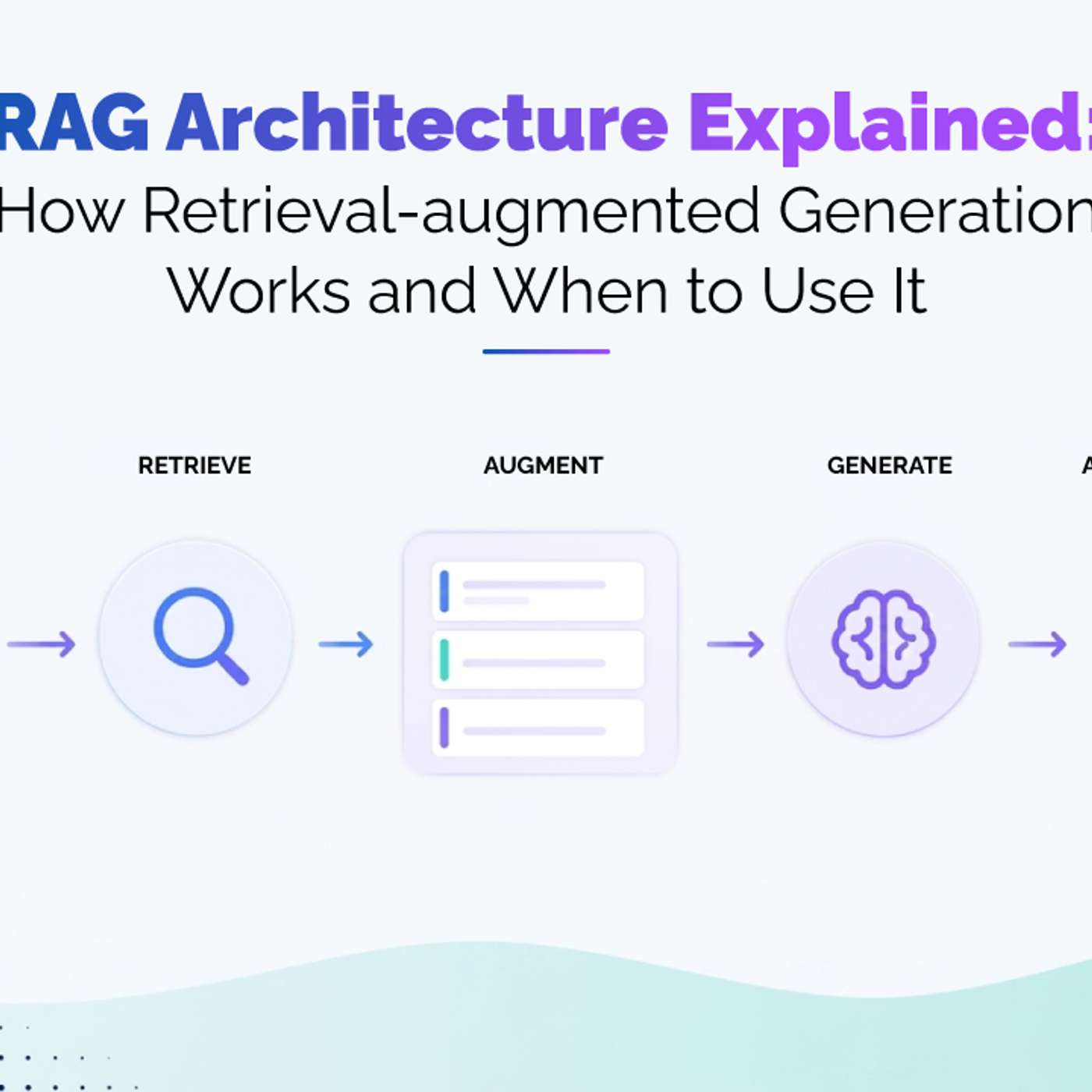
Most production RAG systems fail not because of the LLM or prompt, but due to poor document parsing, chunking, and indexing. Teams mistakenly debug the generation layer when the foundational data processing is the true root cause of poor performance.
Instead of a single massive prompt, first feed the AI a "context-only" prompt with background information and instruct it not to analyze. Then, provide a second prompt with the analysis task. This two-step process helps the LLM focus and yields more thorough results.
Large API models can often interpret vague or 'lazy' prompts, but smaller local models like Gemma require precise, well-structured instructions to generate useful output. This shift demands a more disciplined approach to prompt engineering for developers using local AI.