Get your free personalized podcast brief
We scan new podcasts and send you the top 5 insights daily.
To make AI agents reliable with messy data, strip the layout-parsing responsibility from the LLM. Build a defensive, code-based wrapper that pre-checks document quality, pre-structures the data using coordinates, and uses separate validation steps. This treats the LLM as a reasoner, not a parser.
Related Insights
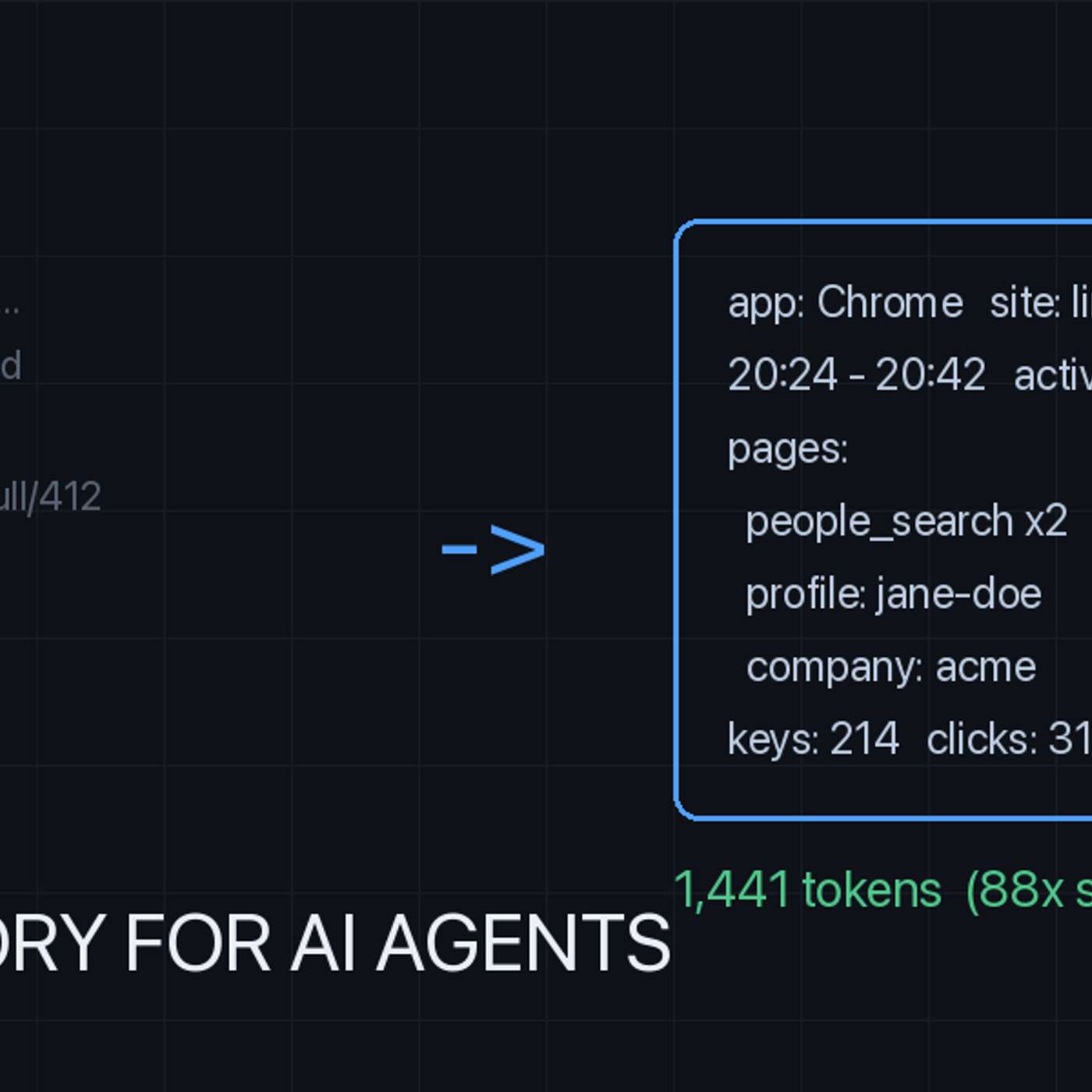
While using an LLM to summarize raw user activity seems intuitive, it is expensive, non-deterministic, and prone to hallucination. A superior approach is a "boring" deterministic compiler using plain code to transform raw data into structured, trustworthy, and recomputable memory episodes, reserving the LLM for higher-level interpretation.
When faced with jumbled data from messy documents, LLMs don't error out. Instead, they use their reasoning to guess, creating perfectly structured but factually wrong outputs. This silent data corruption is the most dangerous failure mode in production pipelines, as it pollutes downstream systems without warning.
Don't give LLMs full control. Use deterministic code for core logic, validation, and enforcing rules. Delegate only tasks requiring flexibility or understanding of unstructured input to the LLM, treating it as a specialized component, not the entire system.
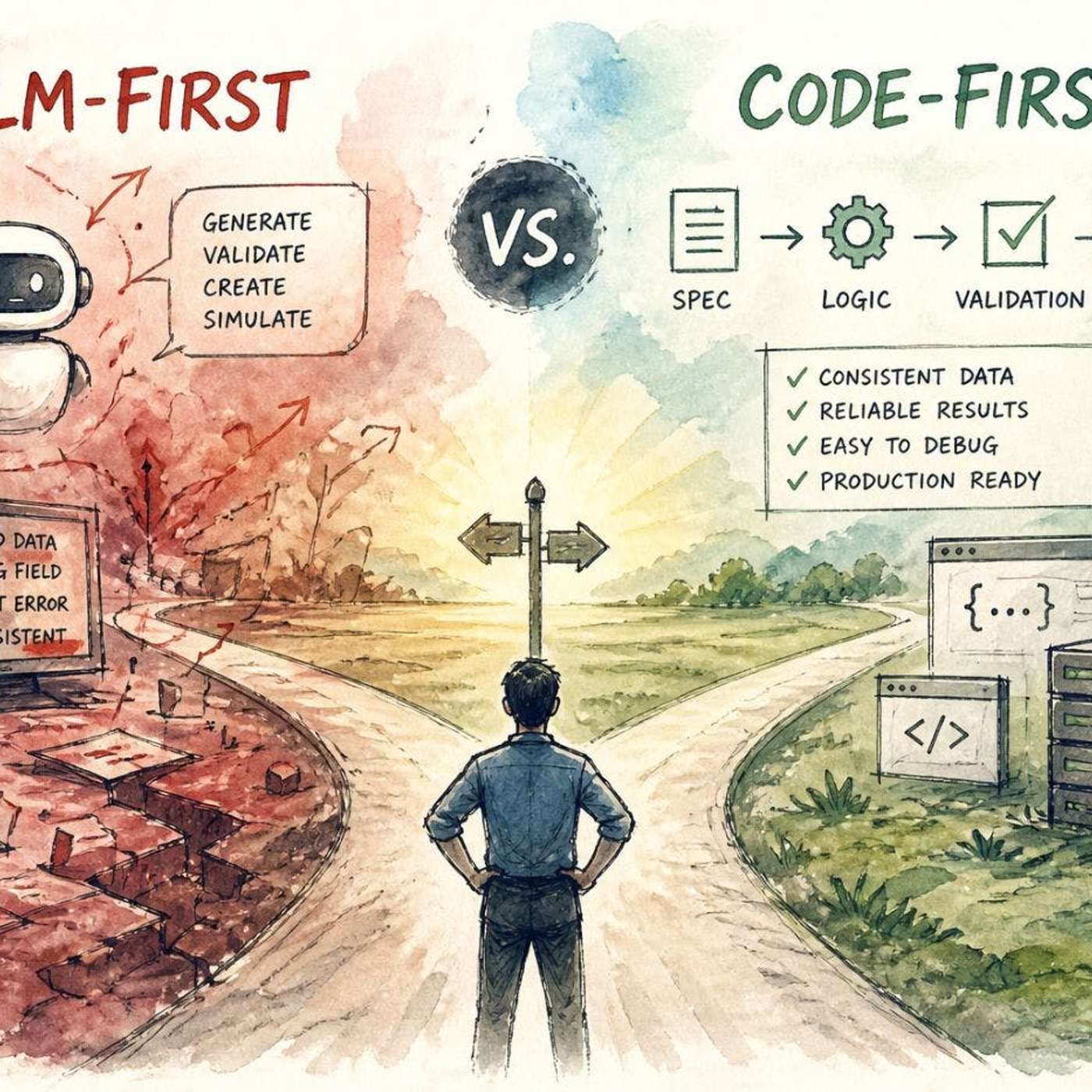
An 'LLM-first' approach, where the model handles core logic, creates impressive demos but lacks production reliability. A 'code-first' approach, using code for structure and LLMs for specific tasks, is less flashy but proves robust and debuggable in real-world applications.
AI agent memory is an emerging attack surface. To build trustworthy systems, memory must enforce a strict, auditable separation between "measured" data (recomputable facts from raw input) and "inferred" data (LLM-generated interpretations). This ensures a ground truth of pure fact remains, defending against memory poisoning attacks.
To solve for AI hallucinations in high-stakes decisions, advanced platforms use the LLM as an interpreter that writes code to query raw data. If data is unavailable, it returns an error instead of fabricating an answer, making every analysis fully auditable and grounded in verifiable data.

For an LLM's output to be useful in a software system, it cannot be treated as ambiguous text. It must be forced through a "hard boundary"—a strict schema or contract—that constrains, validates, and types the data, making it observable and safe for downstream services to trust and consume.

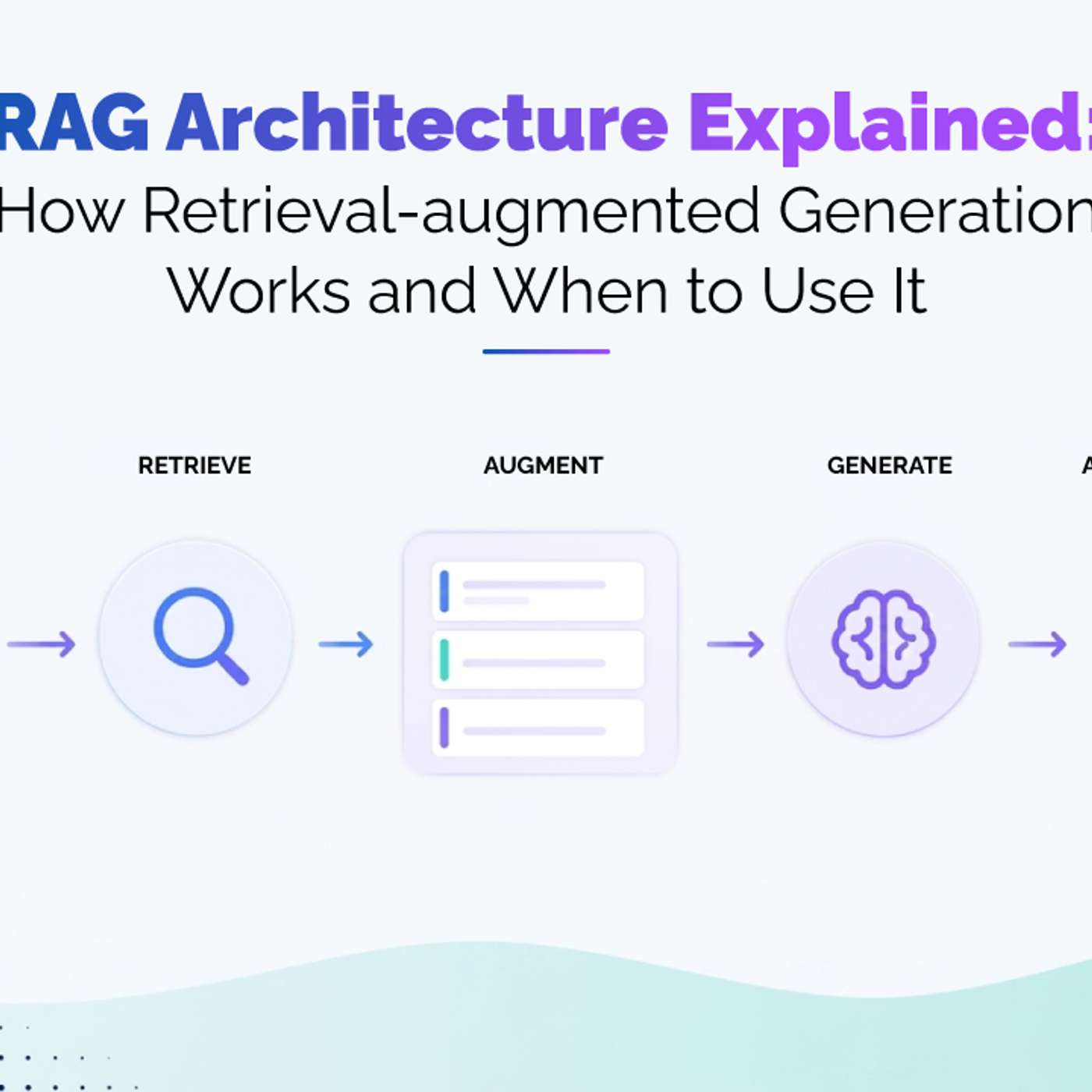
Most production RAG systems fail not because of the LLM or prompt, but due to poor document parsing, chunking, and indexing. Teams mistakenly debug the generation layer when the foundational data processing is the true root cause of poor performance.
An agent's effectiveness is limited by its ability to validate its own output. By building in rigorous, continuous validation—using linters, tests, and even visual QA via browser dev tools—the agent follows a 'measure twice, cut once' principle, leading to much higher quality results than agents that simply generate and iterate.

Teams often try to fix data extraction errors by adding complex instructions to prompts. This fails because the root cause is a structural data engineering problem, not a semantic one. The LLM receives scrambled text tokens before it can even process the prompt's instructions, making the effort futile.