Get your free personalized podcast brief
We scan new podcasts and send you the top 5 insights daily.
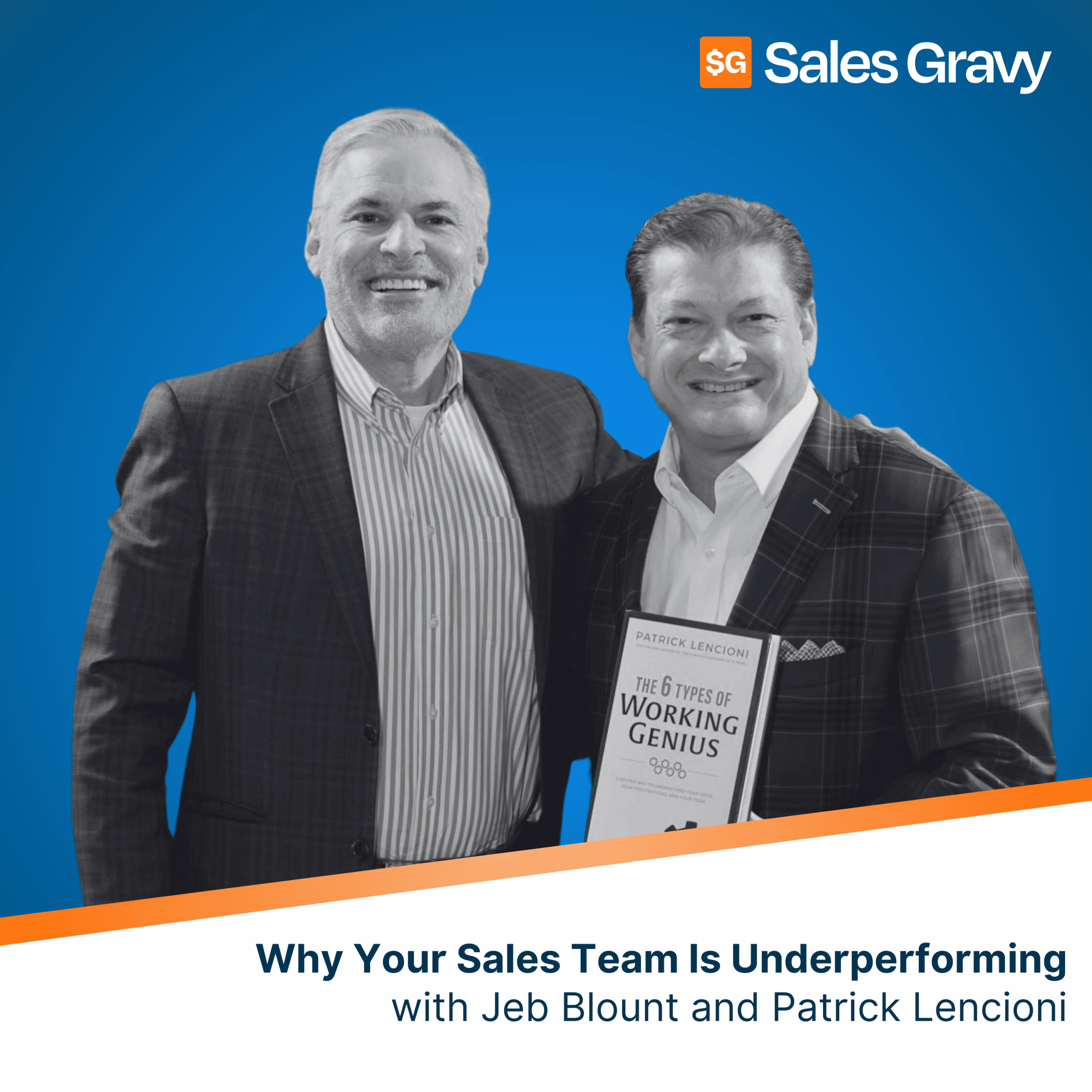
When a team has a gap in one of the six genius types, the one person who possesses that "minority genius" is crucial for balance. However, the team's natural tendency is to dismiss or "expel them like a virus" because their approach is different. Leaders must consciously cherish and protect these individuals.
Related Insights
Leaders often feel they must have all the answers, which stifles team contribution. A better approach is to hire domain experts smarter than you, actively listen to their ideas, and empower them. This creates a culture where everyone learns and the entire company's performance rises.
"Glue employees" are team members with high EQ who proactively help others and prioritize the team's success. They are multipliers but often go unnoticed because they aren't traditional "star" performers. Leaders should actively identify them by asking team members who helps them the most and then reward them accordingly.
What is often perceived as political maneuvering or a negative attitude on a team is frequently just a misunderstanding of different Working Genius profiles. For example, one person's need to talk through ideas can frustrate another's desire to just get things done. Recognizing this re-attributes conflict to wiring, not malice.
A key, often overlooked, function of leaders in high-growth groups is to act as a shield against internal company interference. This allows their teams to focus on innovation and execution rather than navigating organizational friction, which is a primary driver of top talent attrition.
Using an LLM analogy, Daniel Ek seeks "high-temperature" people—individuals who might produce many bad ideas, but whose chaotic thinking also generates rare, brilliant insights. He prefers this variance to the reliable consistency of conformists, believing breakthroughs come from the fringe.

The self-protective human response to having an idea rejected is to stop suggesting them. This fosters a toxic, risk-averse culture where innovation is not respected and teams become individualistic and overly cautious.

Visionary, fast-paced leaders naturally gravitate toward hiring people like themselves. However, to build a balanced and effective team, they must consciously hire for complementary traits—like detail-orientation and methodical thinking—to provide necessary rigor, ensure completion, and prevent burnout.

The common practice of hiring for "culture fit" creates homogenous teams that stifle creativity and produce the same results. To innovate, actively recruit people who challenge the status quo and think differently. A "culture mismatch" introduces the friction necessary for breakthrough ideas.

Citing a story where Martin Luther King Jr. reprimanded an advisor for not challenging him enough, the insight is that top leaders must actively cultivate dissent. They must create an environment where their team feels obligated to point out when an idea is "crazy" to prevent the organization from making catastrophic errors.

Leveraging frameworks like Human Design transforms team collaboration. By understanding archetypes (e.g., a fast-executing Manifesting Generator vs. a guiding Projector), team members can anticipate and accommodate different work styles, turning potential points of friction into a complementary partnership.