Get your free personalized podcast brief
We scan new podcasts and send you the top 5 insights daily.
Neurostrategist Jake Stahl explains that a headshot with a smile, good posture, and a slight head tilt subconsciously builds trust. Psychologically, exposing the carotid artery signals to the viewer that you trust them, which makes them trust you in return.

Related Insights
Consistent exposure on LinkedIn does more than just make your message familiar. From an evolutionary psychology perspective, repeatedly seeing someone without being attacked registers subconsciously as safety. This feeling of safety is directly linked to comfort and trust, making prospects more receptive to you long before the first call.

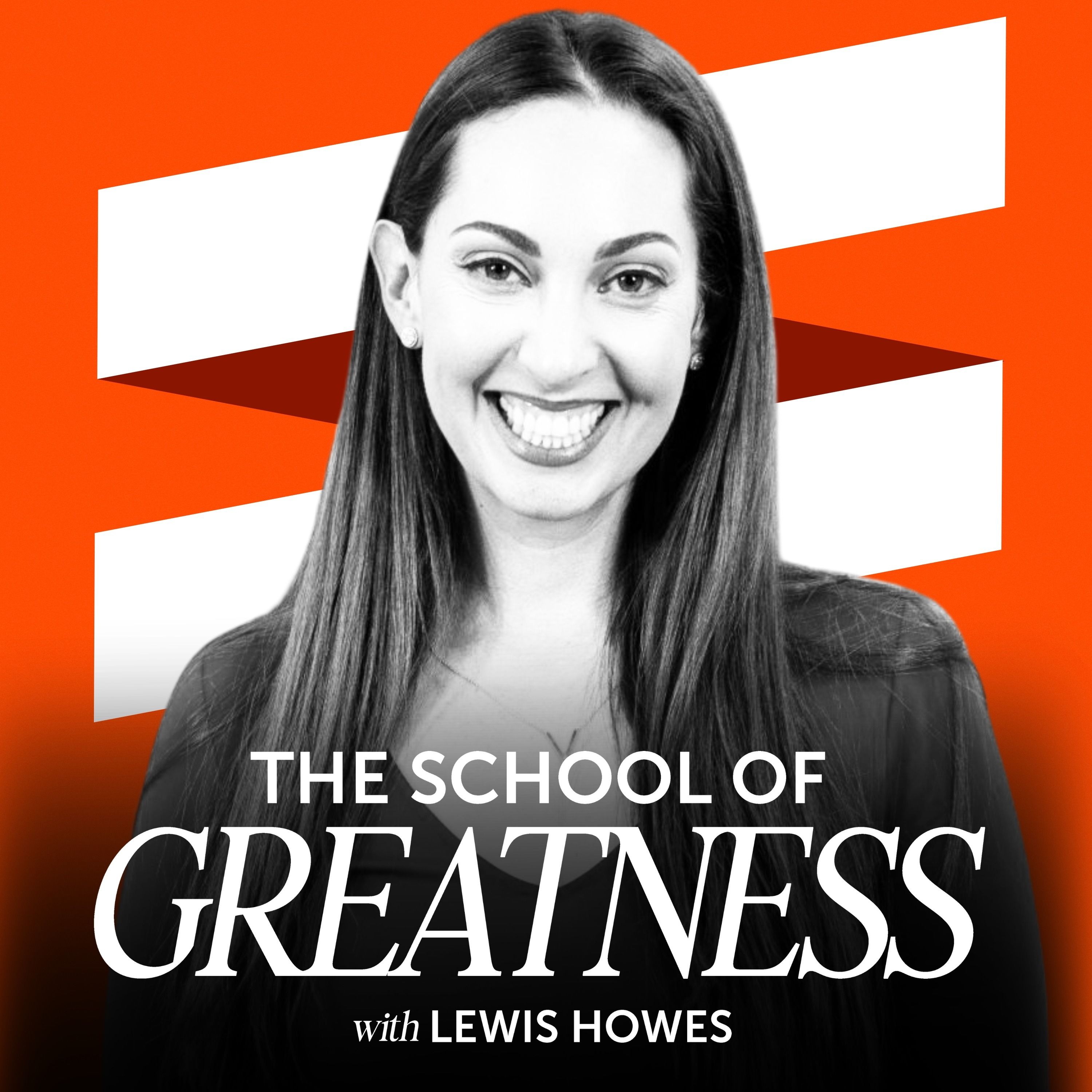
Research shows the key to a trustworthy smile isn't showing teeth but engaging upper cheek muscles, creating eye crinkles. This “real smile” is contagious, making others feel happier, whereas a fake smile evokes no emotional change. This is crucial for profile photos or first impressions.
To sound more confident and authoritative on calls, manipulate your physical posture. Tilt your chin down when speaking to naturally create a downward inflection, which conveys dominance. Standing up and walking around while calling can also release nervous energy and improve vocal projection and overall tone.

Your attire is a powerful non-verbal cue. Dressing appropriately for the customer's environment—whether a farm or a boardroom—is a sign of respect. It demonstrates you understand their world and that the relationship is about them, not your personal style, which is crucial for building initial trust.

Your professional headshot is not just a picture; it's the start of your relationship with a client. Starting that relationship with an image that no longer looks like you creates an immediate, subconscious disconnect and undermines authenticity. Update your photo every 6-12 months to ensure connection, not perfection.
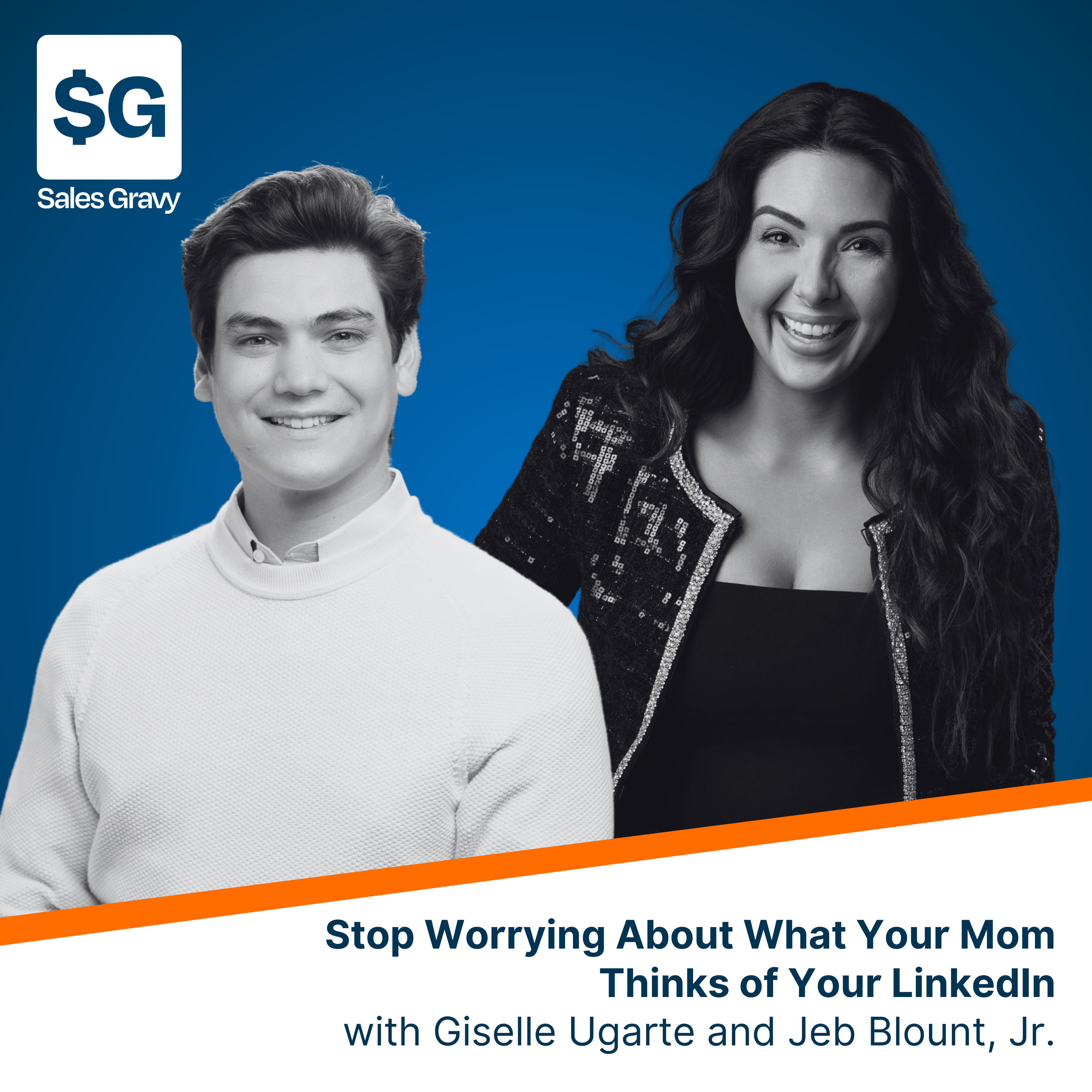
When creating content to build trust, authenticity is more important than a polished, smiling persona. Don't be afraid to be yourself, even if you're not a 'big smiler' on camera. Prospects connect with genuine ideas and a consistent presence, not a perfectly produced but inauthentic performance.

Your physical energy is a key non-verbal signal of competence and reliability. Potential hires, investors, and partners subconsciously assess your energy to gauge if you can deliver on promises. Low energy can communicate untrustworthiness, causing you to lose high-caliber opportunities.

A subtle, gender-specific social cue among men is the direction of a head nod. Nodding up signals familiarity and trust, as it vulnerably exposes the neck. In contrast, nodding down acknowledges a stranger while maintaining a more guarded, protective posture.

Communication extends far beyond words. How you carry yourself—your posture, demeanor, and overall presence—is a constant broadcast that communicates your value and influence. Citing WNBA icon Lisa Leslie, Chiney Ogwumike argues this "physical communication" is as critical to one's professional brand as their spoken words.
Leverage "mirror neurons," which make emotions contagious. By showing raw, honest emotion, you can make your audience feel it too—sometimes physically (tingling spine, butterflies). This emotional connection must be established before presenting rational facts, as people decide emotionally first.