Get your free personalized podcast brief
We scan new podcasts and send you the top 5 insights daily.
Mehta contends middle powers no longer pick sides between Washington and Beijing because both superpowers have turned rogue in weaponizing technology, trade, and sanctions. Instead, intermediate nations seek bilateral trade deals and supply chain networks designed solely to insulate their economies from unpredictable American and Chinese coercion.

Related Insights
The concept of 'weaponized interdependence,' highlighted by China's use of export controls, is driving Asian nations like Japan, India, and South Korea to implement economic security acts. This shifts investment toward domestic supply chains in critical minerals, semiconductors, and defense, creating state-backed opportunities.

When Washington attempts to push allies back into regional siloing, international partners do not simply isolate themselves. Instead, they form autonomous cross-regional ties that bypass the United States, such as the UK, Italy, and Japan co-developing a sixth-generation fighter or Canada deepening military-industrial links with the EU. Smith warns that these emerging mini-lateral partnerships may persist as institutional hedges against American volatility, preventing a future U.S. administration from easily reasserting leadership.
The current international system isn't merely a contest between the US and China. Middle and even small powers like Turkey, Brazil, and Singapore are actively pursuing "strategic autonomy" and recrafting foreign policy, creating a more complex, diffuse web of competition across the globe.
While publicly announcing a trade truce with China, the Trump administration simultaneously signed deals with other Asian nations to diversify supply chains and bolster defense partnerships, effectively preparing for future confrontation with Beijing.
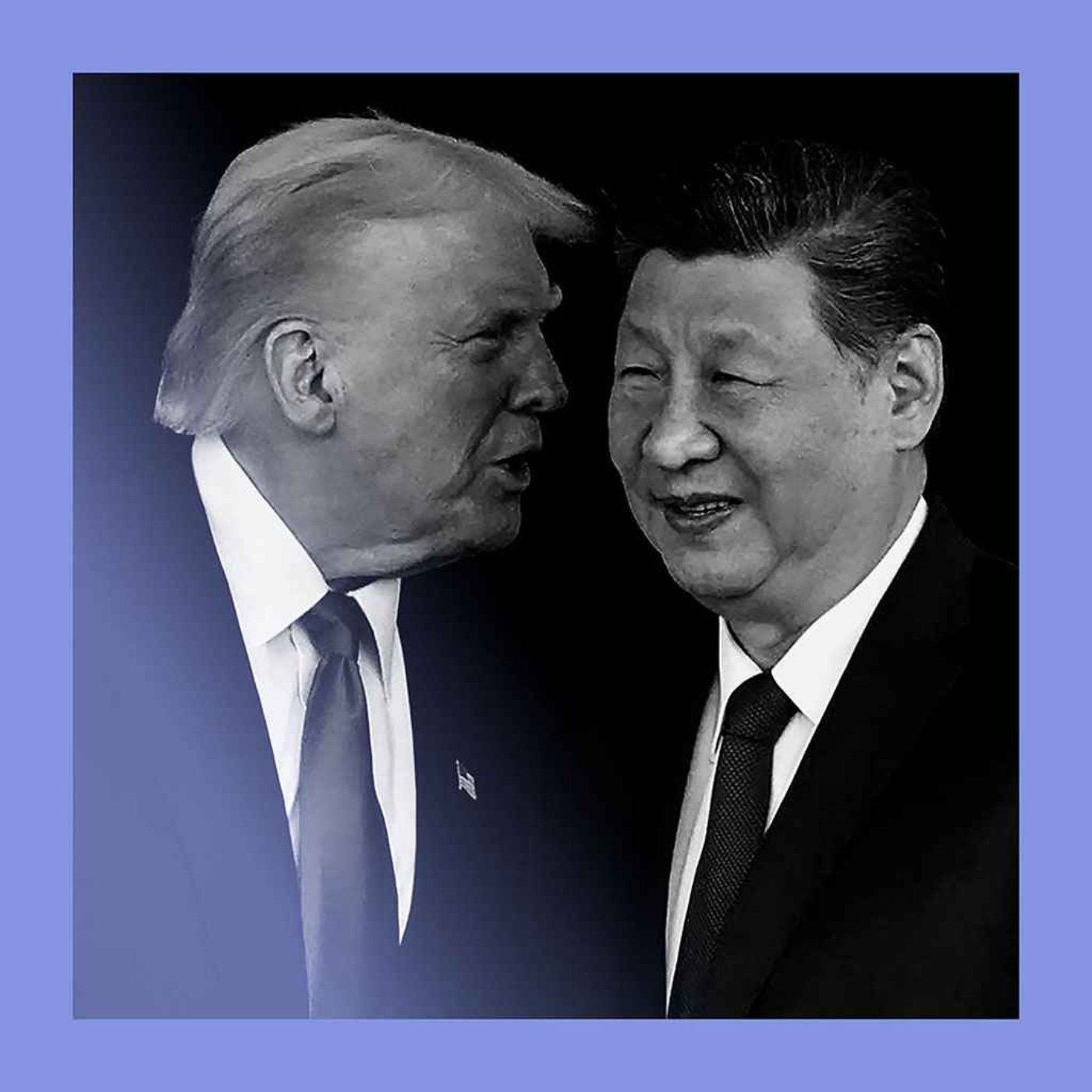
Leaders from the UK, Canada, and Germany are visiting China not for substantive deals, but as a symbolic hedge against Trump's unpredictable foreign policy. These trips allow 'middle powers' to signal diplomatic independence and explore economic diversification, even though their primary security and trade relationships remain firmly with the United States.

In response to America's predatory and unpredictable policies, allies are not just complaining; they are actively diversifying their economic relationships to reduce their vulnerability. This is seen in new trade deals like EU-Mercosur and Canada-Indonesia, which consciously bypass the US to build resilience.
Due to perceived US instability, traditional allies in Europe and Canada are proactively diversifying their partnerships. They are creating alternative trade and security networks (e.g., EU-India, Canada-EU) to reduce their dependence on the United States.

Middle powers like India are not picking a side but are 'multi-aligned,' partnering with the US on tech, Russia on arms, and China on other initiatives. This creates a fluid, complex system of shifting, issue-specific coalitions rather than two fixed blocs.

Despite small projected growth, the trade pact is a strategic response to US protectionism and Chinese trade weaponization. It aims to diversify supply chains and strengthen political ties between Europe and Latin America in a fragmenting global economy, showing its true significance is geopolitical.

Facing an unreliable United States alongside adversarial actions from China and Russia, middle-power democracies are banding together for mutual defense. Snyder points to Canada's Mark Carney government connecting trade and security with the European Union and Ukraine. By deepening alliances among themselves, democratic nations aim to forge an economic bloc larger than any single superpower, mitigating their vulnerability to foreign aggression and erratic American trade policies.
