Get your free personalized podcast brief
We scan new podcasts and send you the top 5 insights daily.
Many assume emotional recovery starts during separation, but the legal finality of a divorce is the true starting line for grieving. Until the papers are signed, you haven't "buried the body," and the process of moving on can't fully begin.

Related Insights
Grief is not a linear set of stages but an oscillation. People naturally shift between focusing inward on their loss and focusing outward on daily life. This dynamic process allows for both the recalibration of their internal world and continued engagement with external responsibilities.

Compartmentalizing is often seen as avoidance, but it can be a healthy way to manage overwhelming grief. Returning to a job with a sense of purpose provides structure and a space where one can feel 'normal' again, offering a necessary break from the pain of loss.
The popular notion of "moving on" from trauma is a myth that suggests you can leave the past behind. A more realistic and healthier approach is to "move forward with it," integrating the experience into your identity. This acknowledges the permanent impact of the event while still allowing for growth and rebuilding.

People cite specific events like affairs or fights as the reason for divorce. However, the root cause is a gradual loss of the shared story and purpose that once united them. The triggering event is merely the final chapter, not the whole story of the decline.

A breakup isn't just the loss of a person; it's the death of a unique 'microculture' built for two. This shared world of inside jokes, special rituals, and private language is a core part of a couple's bond. Its sudden disappearance is a profound and devastating component of the heartbreak that follows a split.
Resolving unfinished business after a relationship ends is a personal task. Imaginary dialogues can be more effective for emotional processing than real conversations with the other person, who may be unavailable or unwilling. Closure comes from within, not from external validation.
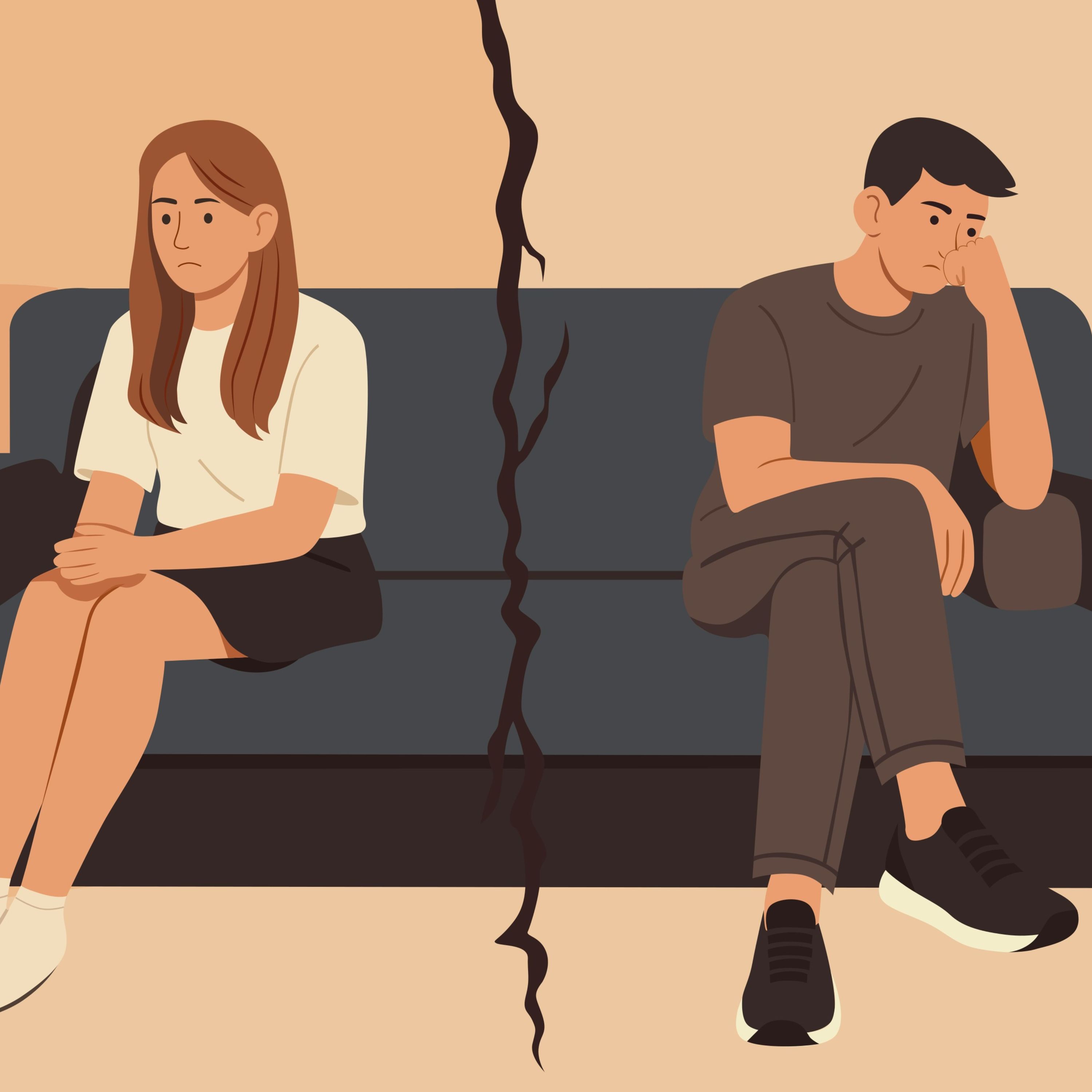
Unlike death, breakups lack socially accepted rituals like funerals. Author Florence Williams suggests creating your own to mark the transition and regain a sense of control. This can be anything from sending an object to the Museum of Broken Relationships to floating a wedding ring down a river with friends.

Society mistakenly correlates the length of mourning with the amount of love felt. This is a false narrative. You can love someone profoundly and still choose to recover your behavioral baseline quickly. A rapid recovery doesn't diminish the love; it's simply a choice about how to respond to loss.

To effectively move on from a relationship, it is crucial to form a coherent story about why it ended. It doesn't matter if the narrative blames the ex or focuses on personal growth; what matters is that it makes sense to you. This process provides closure, reduces chaotic feelings, and fosters optimism for the future.
A structured exercise for unpacking grief involves making three lists: 1) the good things you've lost, 2) the bad things you no longer have to tolerate, and 3) the unrealized future hopes and dreams. This provides a complete emotional accounting of the loss.