Get your free personalized podcast brief
We scan new podcasts and send you the top 5 insights daily.
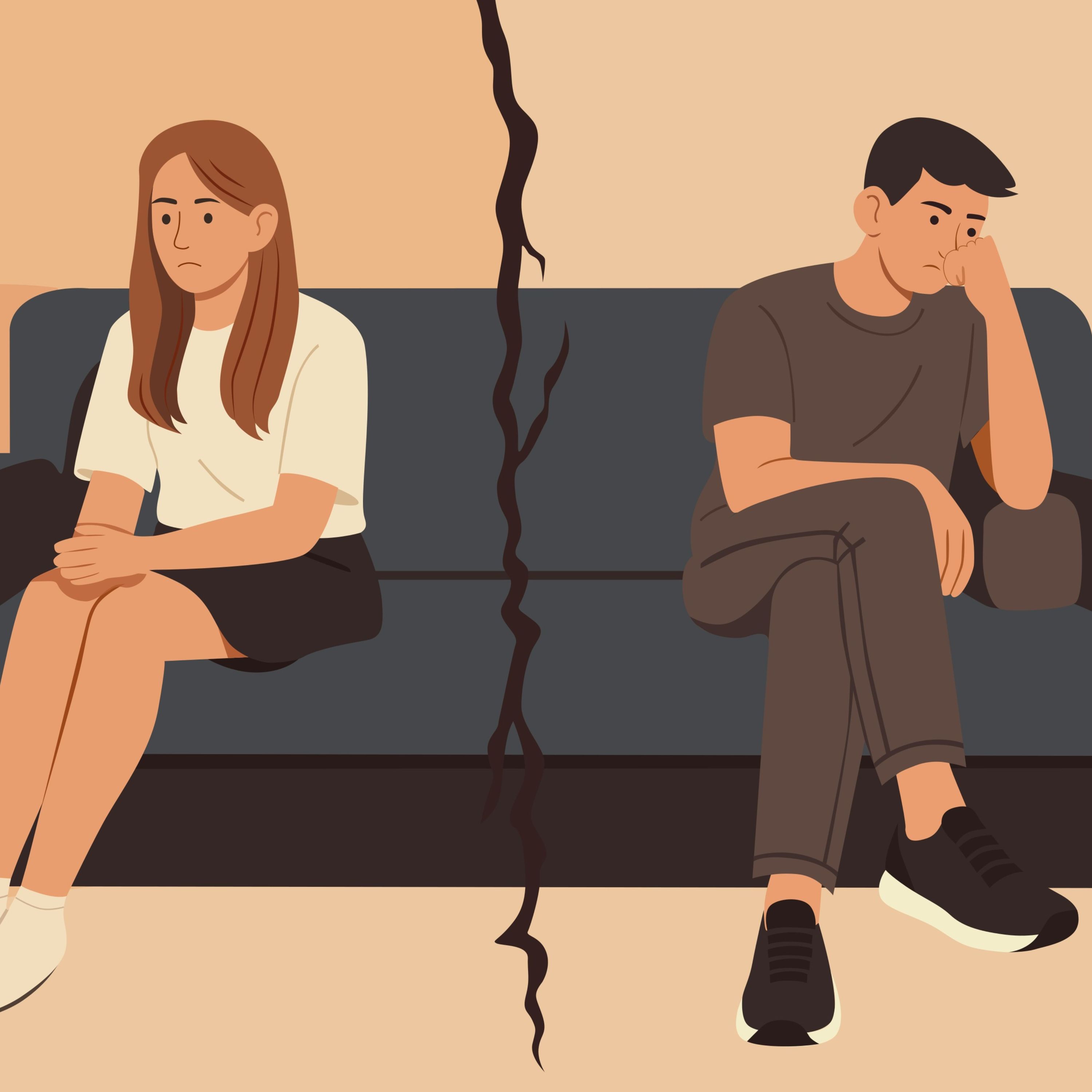
Unlike death, breakups lack socially accepted rituals like funerals. Author Florence Williams suggests creating your own to mark the transition and regain a sense of control. This can be anything from sending an object to the Museum of Broken Relationships to floating a wedding ring down a river with friends.

Related Insights
Societal norms often validate only a narrow set of life events like marriage and childbirth. To build a richer life narrative, individuals should create their own celebrations for personally significant milestones, such as a book launch or completing a medical procedure. Your community wants to celebrate what is important to you.

Grief is not a linear set of stages but an oscillation. People naturally shift between focusing inward on their loss and focusing outward on daily life. This dynamic process allows for both the recalibration of their internal world and continued engagement with external responsibilities.

The ability to experience awe—the feeling of being in the presence of something vast, like a waterfall or starry sky—builds resilience against heartbreak. It provides perspective by making your personal problems feel smaller, temporarily quieting the ego, and fostering a connection to the wider world.
Listening to sad music when you're sad isn't self-indulgent; it's therapeutic. It stimulates the brain's right hemisphere, which processes aesthetics, helping you to better understand your confusing emotions and facilitating the healing process.

A breakup isn't just the loss of a person; it's the death of a unique 'microculture' built for two. This shared world of inside jokes, special rituals, and private language is a core part of a couple's bond. Its sudden disappearance is a profound and devastating component of the heartbreak that follows a split.
Resolving unfinished business after a relationship ends is a personal task. Imaginary dialogues can be more effective for emotional processing than real conversations with the other person, who may be unavailable or unwilling. Closure comes from within, not from external validation.
Modern culture lacks the rites of passage that once marked life transitions. To make a commitment like marriage psychologically tangible, individuals can create their own rituals. Choosing a painful, permanent act, like a first tattoo, can create a powerful demarcation between one's "before" and "after" self.

To effectively move on from a relationship, it is crucial to form a coherent story about why it ended. It doesn't matter if the narrative blames the ex or focuses on personal growth; what matters is that it makes sense to you. This process provides closure, reduces chaotic feelings, and fosters optimism for the future.
Recovery from a life-altering event isn't about returning to your old self; that self no longer exists. True healing is a creative process of discovering who you are now. It requires imagination to invent new habits, goals, and rituals that fit your new reality, rather than trying to salvage old ones.
A structured exercise for unpacking grief involves making three lists: 1) the good things you've lost, 2) the bad things you no longer have to tolerate, and 3) the unrealized future hopes and dreams. This provides a complete emotional accounting of the loss.