Get your free personalized podcast brief
We scan new podcasts and send you the top 5 insights daily.
To make the economics of warehouse robotics work and fundamentally change the cost curve, a company must be fully vertically integrated. Cytronic owns the facilities, buys or builds the hardware, and develops the orchestration software, enabling them to capture enough margin from a high volume of orders.

Related Insights
Neros deliberately chose a massive facility to avoid future moves and bring component manufacturing in-house. This long-term thinking prioritizes vertical integration and operational stability over the typical startup approach of leasing smaller spaces and moving frequently, which disrupts production and planning.

Cytronic uses smaller, 30,000 sq. ft. automated warehouses in city centers, defying the trend of huge rural distribution hubs. Automation negates the need for cheap remote labor, and proximity to customers drastically cuts shipping costs—the most expensive part of fulfillment—creating a net economic advantage.
VCs focused on horizontal tech often avoid robotics hardware. The reasoning is that a robot's success is determined by the vertical it serves—its competition, pricing, and supply chain are those of an agriculture or mining company, not a general technology company.
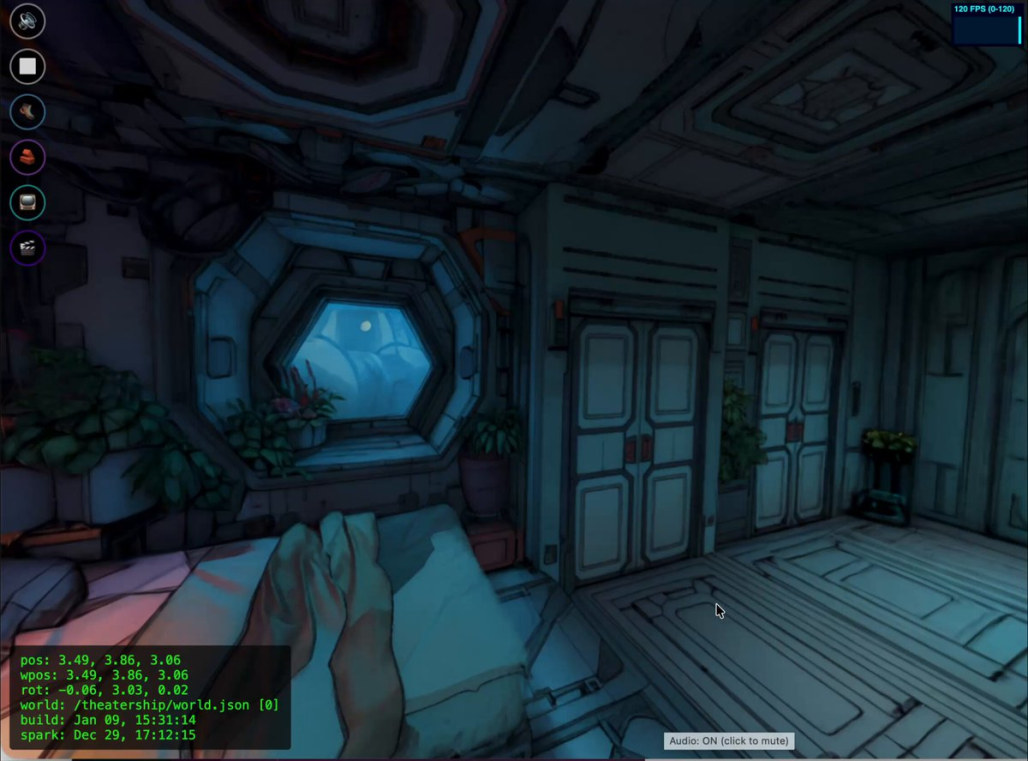
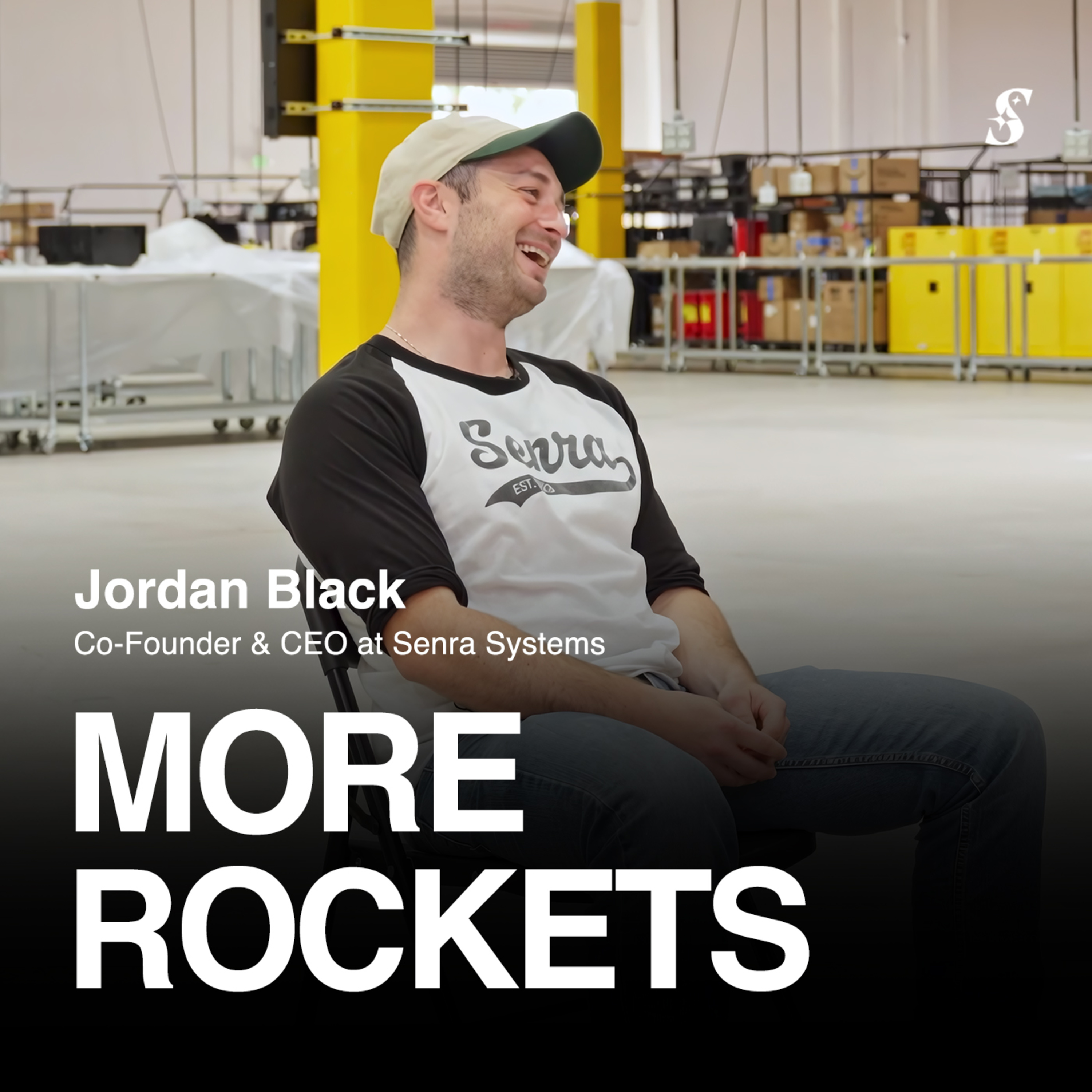
Companies like SpaceX built their own operating systems (like Warp Drive) because off-the-shelf solutions couldn't handle their complexity and speed. For Senra, this means building custom software and automation. Vertical integration is not a choice but a necessity when the external industrial base is a bottleneck to growth.
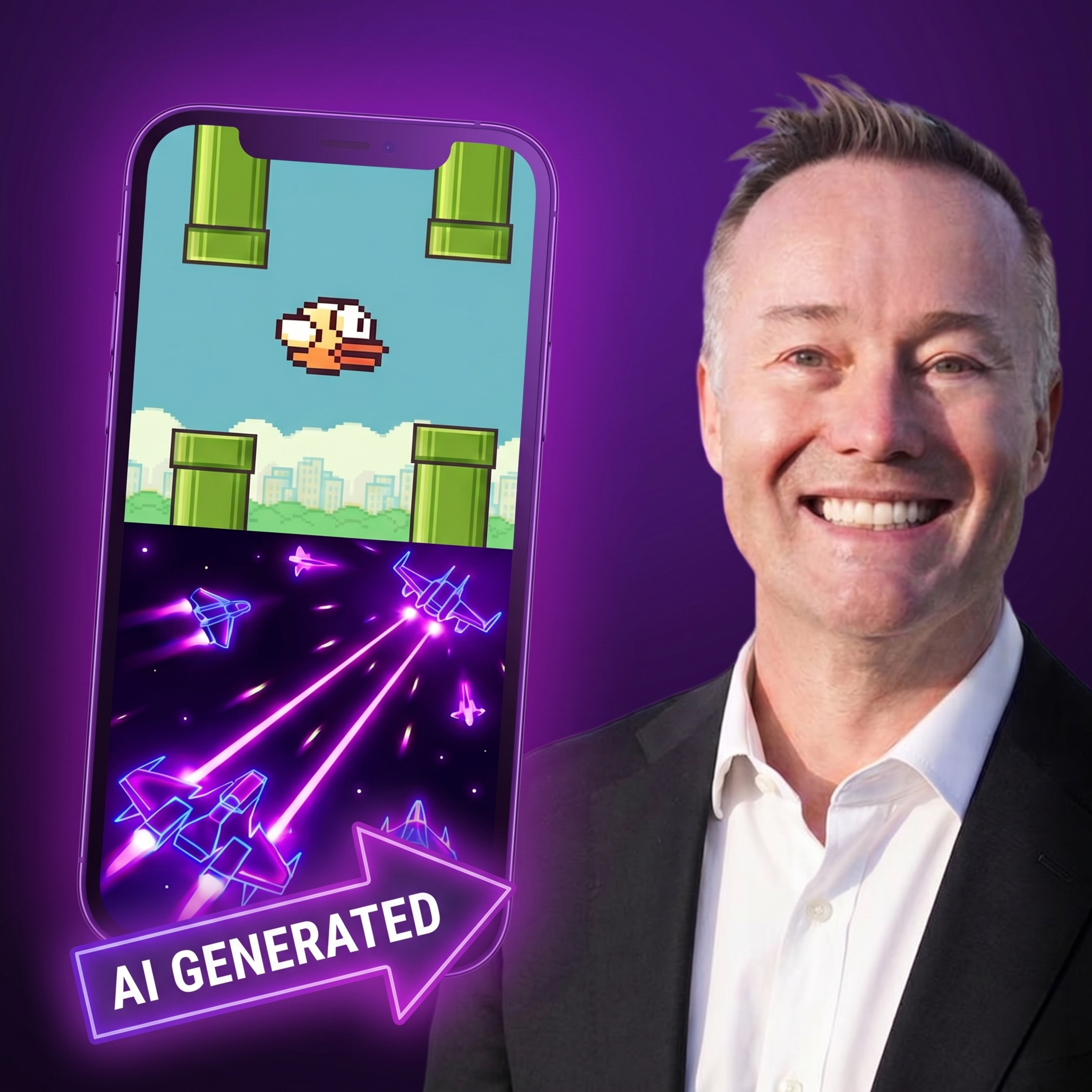
For zero-to-one technologies like humanoid robotics, relying on a supply chain is too slow. ONE X develops everything in-house, from new materials to foundation AI models. This enables rapid, cross-disciplinary iteration, as key discoveries happen at the intersection of hardware, software, and materials science.
Zipline had to build its own components because the market only offered two extremes: cheap, unreliable consumer drone parts or prohibitively expensive military-grade systems. This "automotive grade" gap for reliable, cost-effective components forced them to vertically integrate to achieve their performance and cost goals.
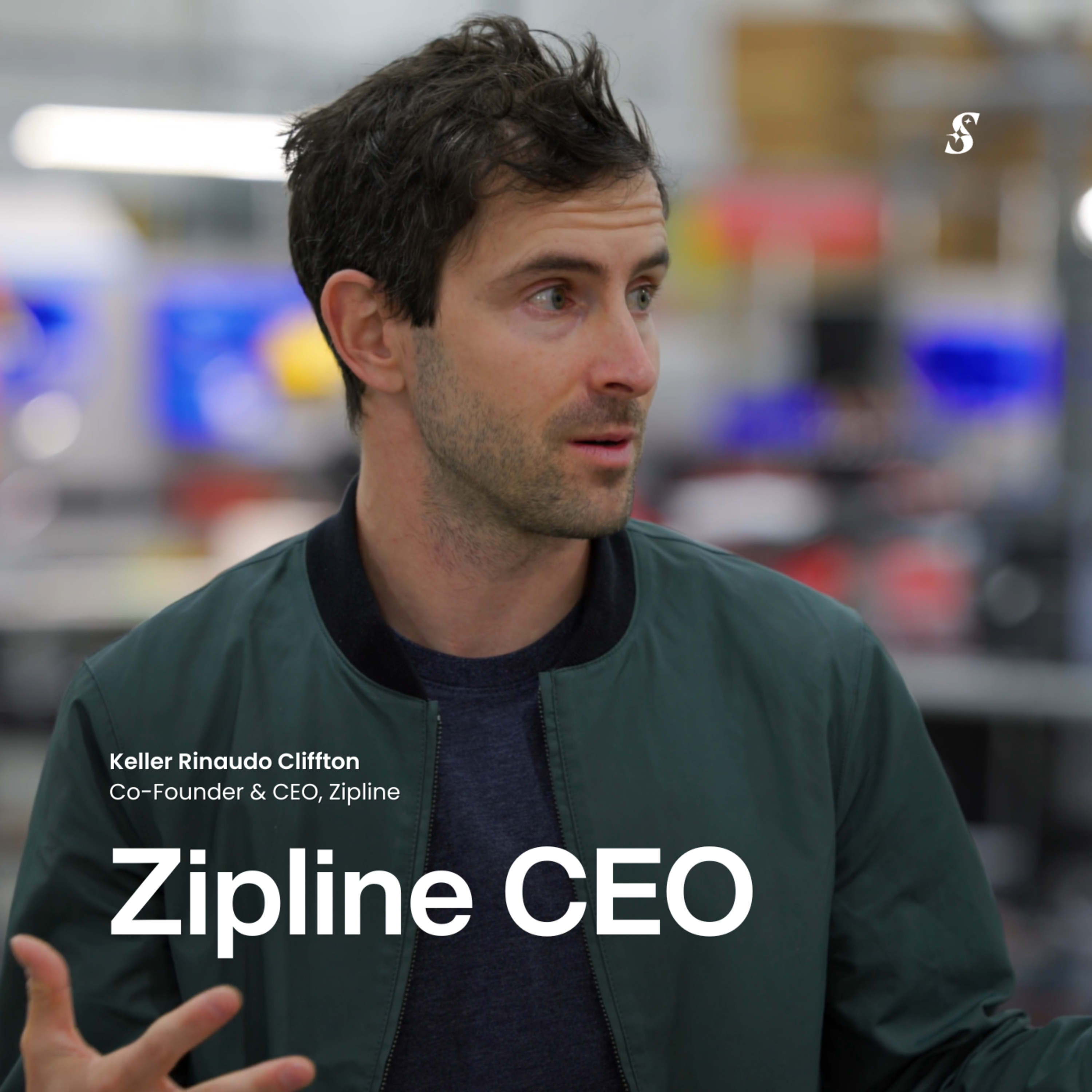
Figure designs nearly every component of its robots in-house, from motors to batteries. This extreme vertical integration, though costly upfront, prevents being at the mercy of third-party vendor timelines, code problems, or supply chain issues, enabling faster iteration and deeper system control.
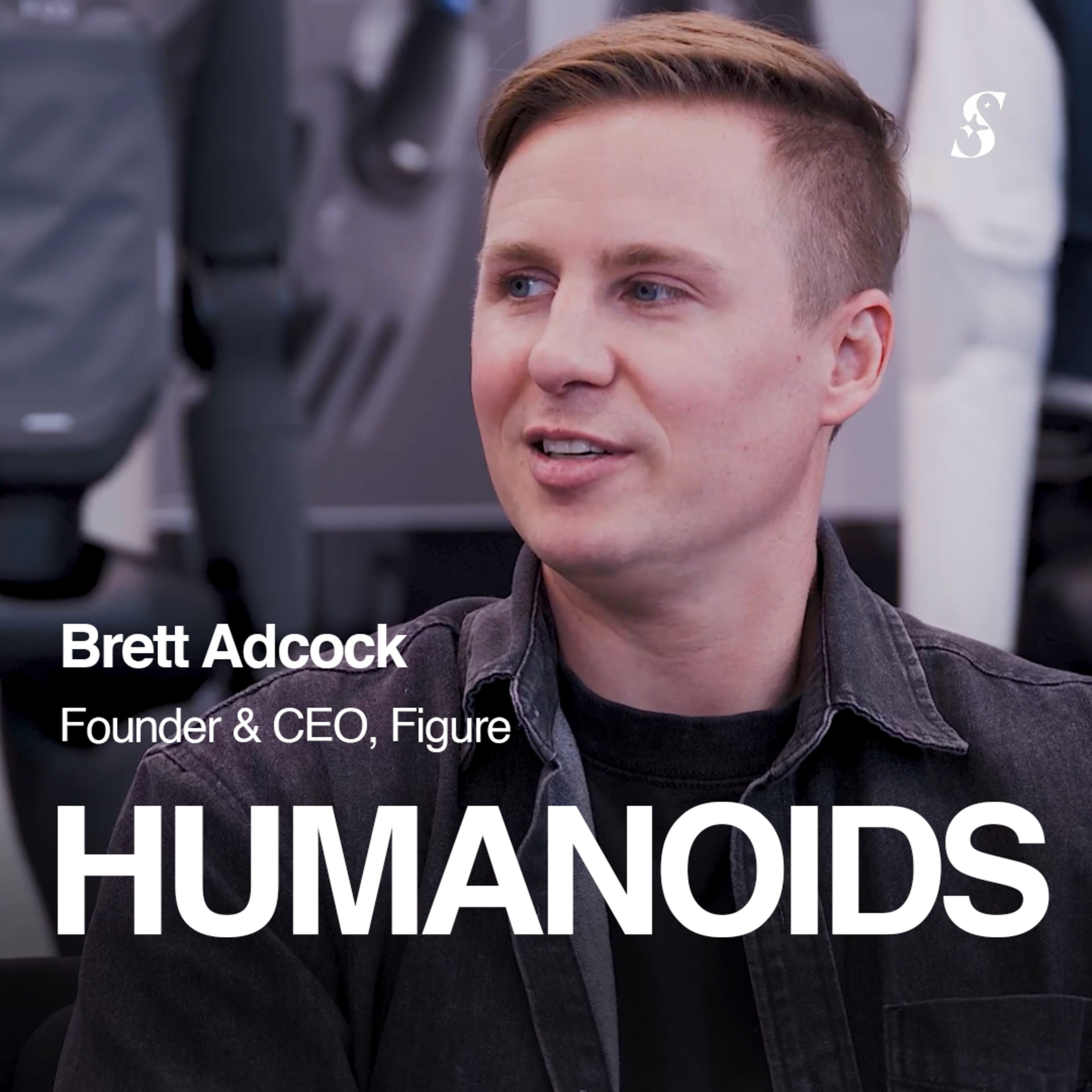
For early-stage hard tech startups, the decision to vertically integrate isn't about margin improvement. It's a question of survival. You should only take on the immense risk and capital intensity of vertical integration if the company literally cannot exist without controlling that part of the supply chain or tech stack.

Cytronic's CEO Kevin Gibbon argues that the greatest value in robotics lies in the service layer that integrates multiple point solutions. The individual hardware components, like robotic arms, will inevitably become commoditized. The defensible business is the one that orchestrates these tools as a managed service.
Etched builds its own chips, boards, cold plates, interconnects, and even its own racks. This full-stack ownership allows for extreme parallelization and iteration speed, a key advantage over startups that rely on a fragmented supply chain and multiple vendors.
![Etched - Building AI Hardware to Make Inference Faster and Cheaper - [Invest Like the Best, EP.480] thumbnail](https://megaphone.imgix.net/podcasts/532910c4-743d-11f1-b7dc-b31915c88b79/image/810c9e3a23b5c4ea0a56e5e4cc8d7e47.jpg?ixlib=rails-4.3.1&max-w=3000&max-h=3000&fit=crop&auto=format,compress)