Get your free personalized podcast brief
We scan new podcasts and send you the top 5 insights daily.
Cytronic uses smaller, 30,000 sq. ft. automated warehouses in city centers, defying the trend of huge rural distribution hubs. Automation negates the need for cheap remote labor, and proximity to customers drastically cuts shipping costs—the most expensive part of fulfillment—creating a net economic advantage.

Related Insights
The founder realized that being in New York was expensive for sourcing ingredients from the Midwest and shipping nationally. He strategically moved his operations to Indianapolis, a central hub, to optimize both inbound and outbound logistics.

In modern automated factories, labor is less than 10% of costs. The key competitive advantage of regions like China is the strategic co-location of supply chains, which dramatically reduces logistics time and expense. Re-industrializing the US requires building these dense industrial clusters.

Urban areas are better suited for smaller-footprint component manufacturing rather than massive final assembly plants. This strategy aligns with cities' available real estate and helps de-risk national supply chains by diversifying the sources of essential parts.

Unlike most operations, logistics fulfillment becomes less efficient with growth. The complexity of managing more people, especially temporary labor, causes breakdowns in quality and rising overhead. This makes the per-unit cost higher, not lower, creating a strong case for automation.
While competitors burned cash fighting over major hubs, delivery startup Fancy focused on Tier 2 cities. This strategy gave them a local monopoly, leading to far better unit economics and retention. This strong performance was a key factor in their acquisition by GoPuff.

Unlike competitors chasing national scale, NVR focuses on operational density within select metro areas across 16 states. This concentration creates efficiencies in centralized management, logistics, and supply chains that drive margin expansion.

To make the economics of warehouse robotics work and fundamentally change the cost curve, a company must be fully vertically integrated. Cytronic owns the facilities, buys or builds the hardware, and develops the orchestration software, enabling them to capture enough margin from a high volume of orders.
Amazon's cost to fulfill, ship, and deliver is around $90 billion annually. The next generation of robotics, capable of picking and packaging, could save tens of billions each year. This is a massive, untapped source of profit independent of sales growth that the market may underappreciate.

Unlike AI rivals who partner or build in remote areas, Elon Musk's xAI buys and converts large urban warehouses into data centers. This aggressive, in-house strategy grants xAI faster deployment and more control by leveraging existing city infrastructure, despite exposing them to greater public scrutiny and opposition.

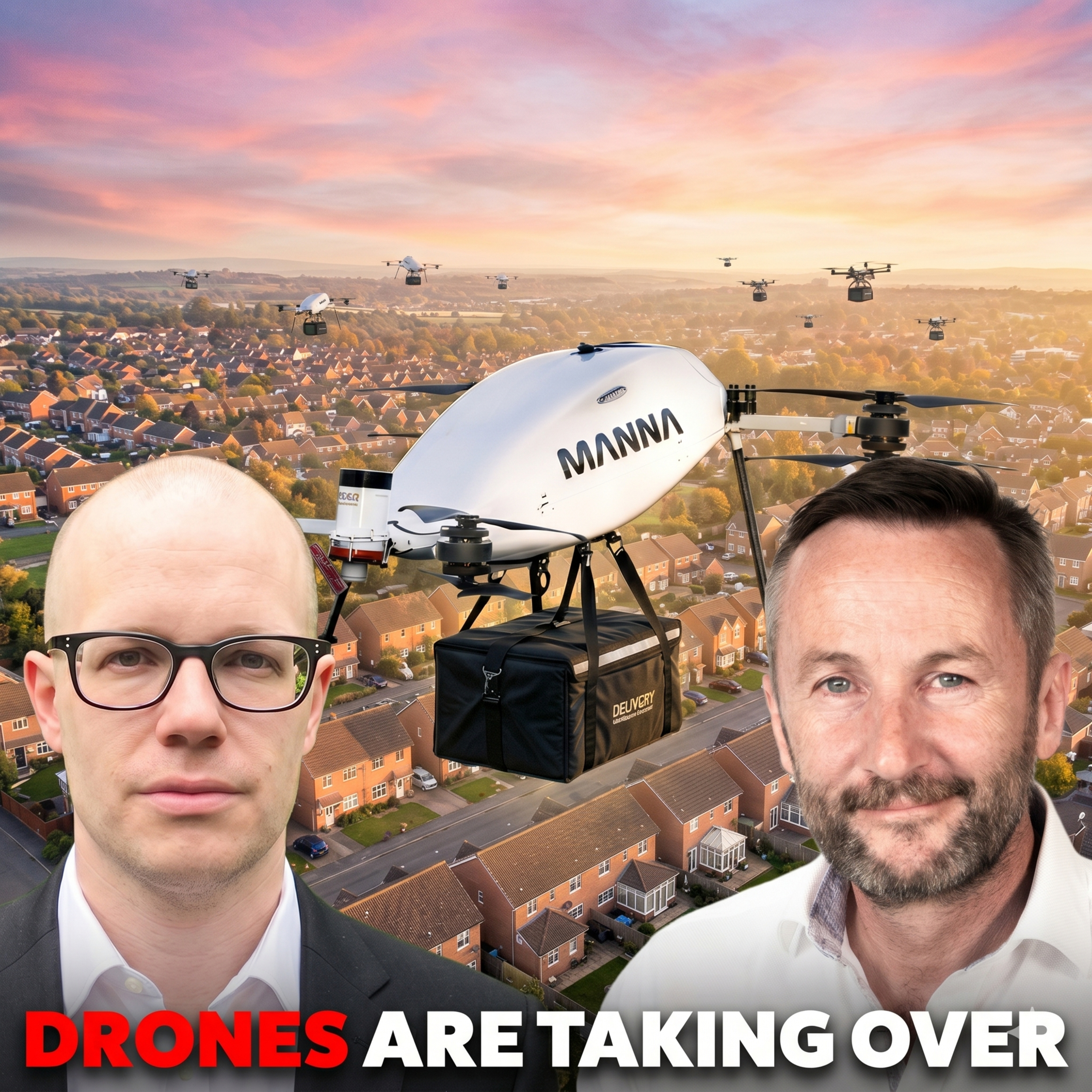
Instead of relying on a single central hub, Mana's drones fly out to various pre-set pads each morning. They then migrate between these locations throughout the day based on anticipated order flow, balancing rapid delivery times with capital expenditure on depots.