Get your free personalized podcast brief
We scan new podcasts and send you the top 5 insights daily.
An investor can gauge a founder's depth by their preparedness. If a VC's questions during a 60-minute pitch reveal strategic holes the founder hasn't already considered, it's a strong negative signal about their level of obsession and foresight.

Related Insights
Move beyond slide decks to gauge a founder's true passion and product quality. By installing and using a product live during a pitch, investors can ask deep, contextual questions and observe the founder's unscripted responses, revealing a level of genuineness a presentation cannot.

The best founders, especially in complex fields, don't give superficial answers to secure funding. Instead, they demonstrate deep passion and expertise by enthusiastically pulling investors into the intricate details and underlying principles of their domain.
![Scott Nolan - SpaceX, Founders Fund, and Rebuilding American Uranium Enrichment - [Invest Like the Best, EP.467] thumbnail](https://megaphone.imgix.net/podcasts/5edee546-3776-11f1-b41d-a76759576e87/image/908aaa6e87baf2b3d364892c4b7f9fd8.jpg?ixlib=rails-4.3.1&max-w=3000&max-h=3000&fit=crop&auto=format,compress)
A venture capitalist's first question to a founder is about a major failure. An inability to answer ends the meeting, as it signals a lack of experience in confronting and overcoming adversity, a crucial skill for leading a startup.

While assessed during diligence, the true caliber of a founder—their passion, authenticity, and ability to "run through walls"—becomes starkly clear after the deal closes. This distinction is not subtle; the impact of a truly exceptional founder versus an average one is immediately evident in the business's trajectory.

A founder asking an investor about their biggest blind spot during evaluation is a disarming and intelligent question. As shared by Maytha Agarwal of Defy, it forces the VC to self-audit their decision-making process in real-time, revealing their introspection and leading to a more honest, transparent conversation.

The most valuable role for a board member isn't giving advice, but acting as a "sparring partner." This involves asking sharp questions that help founders surface their own insights and gain clarity on ideas they already hold, especially when navigating uncharted territory.

Reframe the pitch meeting from a judgment session to a mutual evaluation. Founders are selecting a partner for 7-10 years and must assess the investor for chemistry and fit, rather than just seeking capital from a position of need.

A founder deep in the idea maze can articulate not just their current path, but also the alternatives they considered and why they were rejected. This demonstrates a profound understanding of their domain and problem space.

Great founders turn a pitch into a collaborative discussion by asking investors to identify business weaknesses. This signals curiosity, strength, and a desire for genuine feedback over just presenting a perfect picture. It demonstrates a coachable leader who is focused on gathering data to improve.

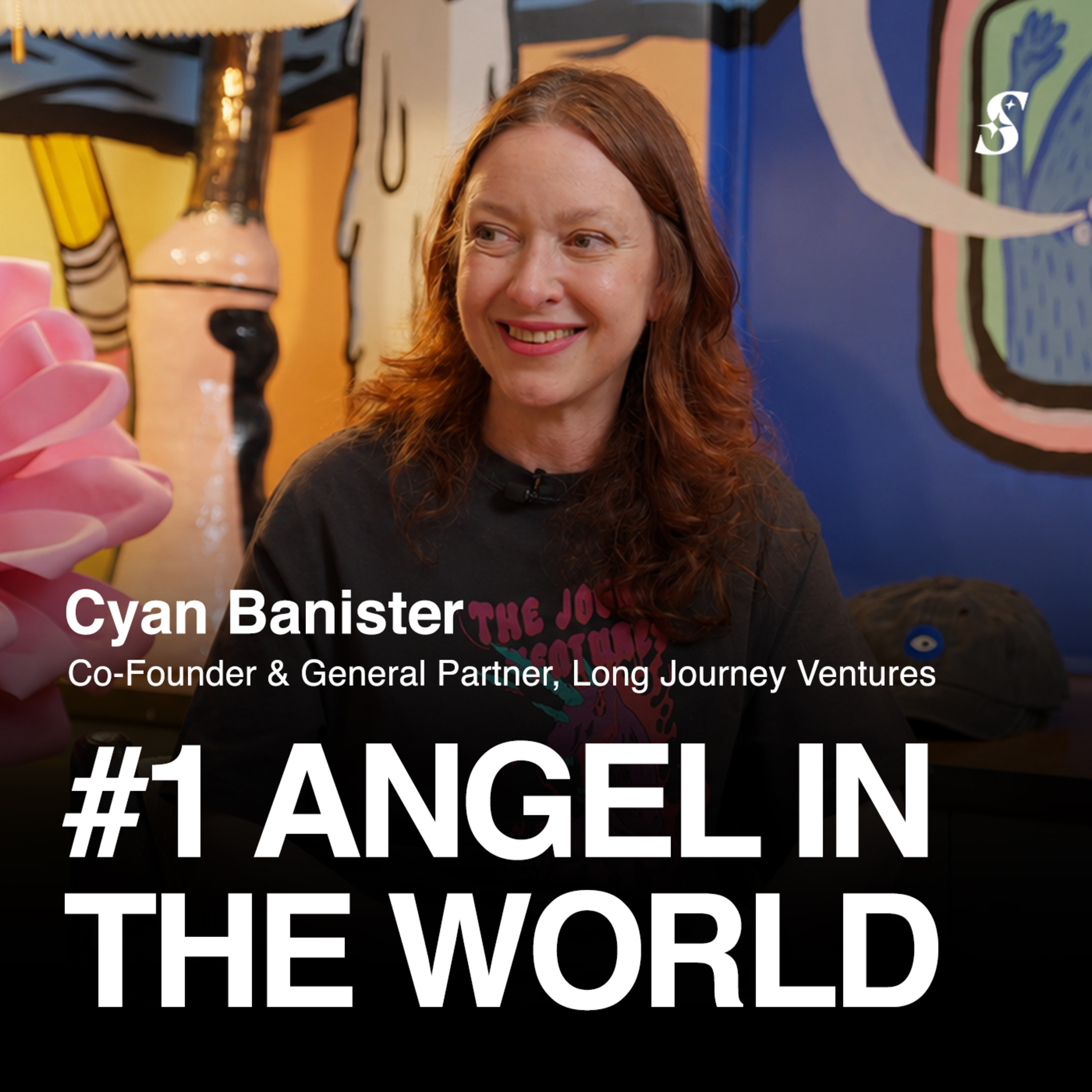
Borrowing from Peter Thiel, Cyan Banister prioritizes asking what worries someone over what excites them. This question cuts through performative optimism and reveals deeper strategic thinking, potential risks, and a founder's self-awareness.