Get your free personalized podcast brief
We scan new podcasts and send you the top 5 insights daily.
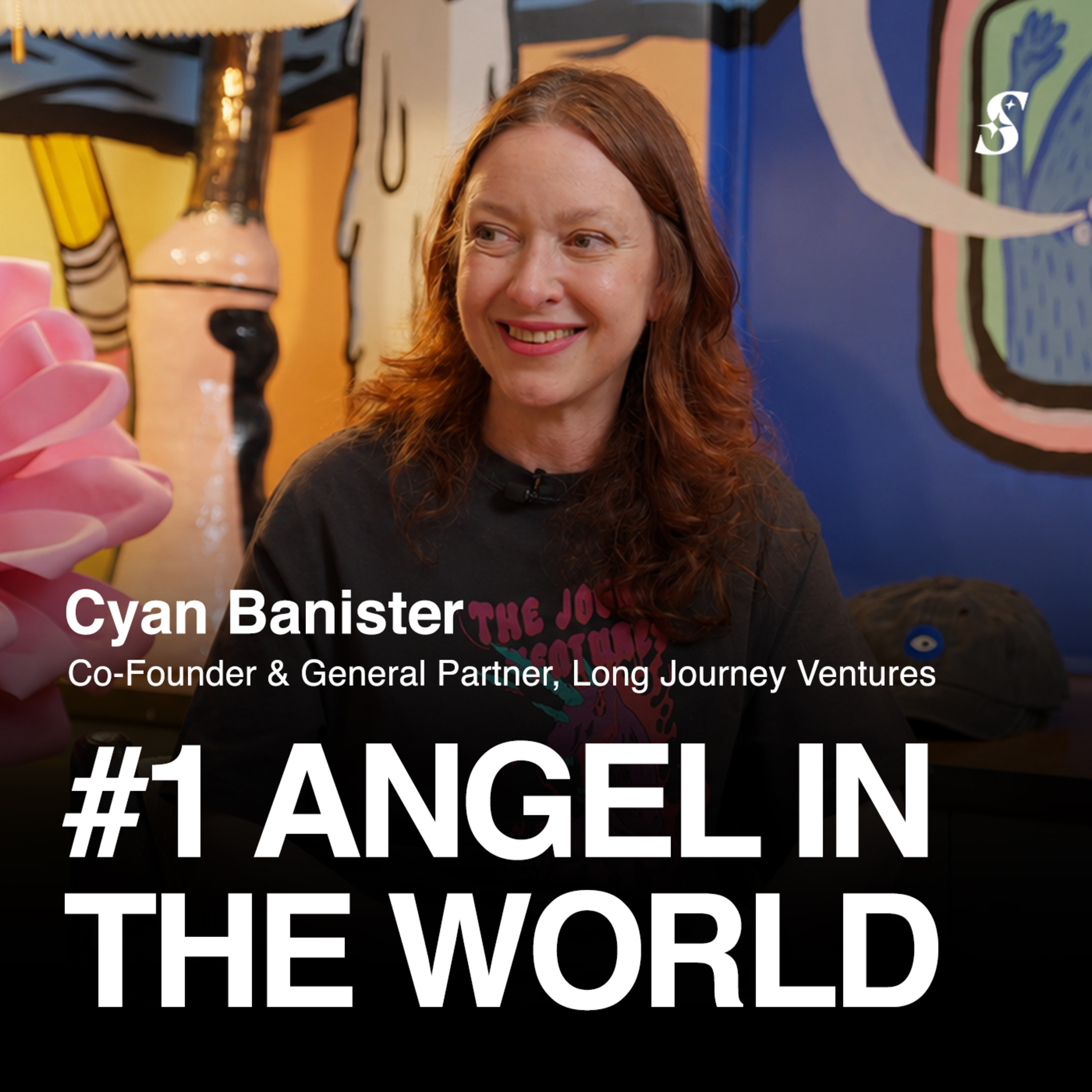
Borrowing from Peter Thiel, Cyan Banister prioritizes asking what worries someone over what excites them. This question cuts through performative optimism and reveals deeper strategic thinking, potential risks, and a founder's self-awareness.
Related Insights
To get past a founder's polished pitch, ask about their core motivations (like ambition) multiple times throughout the diligence process, using different phrasing. This repeated, layered approach can reveal inconsistencies and expose their genuine life goals versus what they think investors want to hear.

Gilly Shwed’s founder interview technique focuses on understanding the motivations behind past actions. He believes this meta-level questioning provides deeper insights into a founder's character and decision-making framework than a simple recitation of accomplishments.

Transactional questions get transactional answers. A "story-worthy" question, like "Tell me about the moment you first sensed trouble with your supplier?", prompts a narrative. This approach extracts the emotion, context, and deeper story behind an issue, leading to more authentic connection and insight.
A venture capitalist's first question to a founder is about a major failure. An inability to answer ends the meeting, as it signals a lack of experience in confronting and overcoming adversity, a crucial skill for leading a startup.

A founder asking an investor about their biggest blind spot during evaluation is a disarming and intelligent question. As shared by Maytha Agarwal of Defy, it forces the VC to self-audit their decision-making process in real-time, revealing their introspection and leading to a more honest, transparent conversation.

Ask a founder what they'd do on a Monday morning after they've made a billion dollars and fulfilled all their fantasies. This thought experiment strips away financial incentives and reveals their core drive. An inability to answer suggests they haven't thought beyond the exit.
To truly understand a founder, Katelin Holloway bypasses typical pitch questions. She engaged one founder in a conversation about wormholes and the time-space continuum. This abstract dialogue revealed how his brain worked and his core values, giving her conviction in him as a person, not just his idea.

The most powerful questions are often the ones that create a feeling of discomfort or resistance to ask. If a question feels "edgy" or emotionally charged, it's an indicator that something important lies beneath the surface, cutting through noise.

The most driven entrepreneurs are often fueled by foundational traumas. Understanding a founder's past struggles—losing family wealth or social slights—provides deep insight into their intensity, work ethic, and resilience. It's a powerful, empathetic tool for diligence beyond the balance sheet.
![Martín Escobari - Inside General Atlantic - [Invest Like the Best, EP.449] thumbnail](https://megaphone.imgix.net/podcasts/90e6e3e6-c984-11f0-ae5f-27bb851bdc56/image/608fac468f77cb3014e96336896d96de.jpg?ixlib=rails-4.3.1&max-w=3000&max-h=3000&fit=crop&auto=format,compress)
Great founders turn a pitch into a collaborative discussion by asking investors to identify business weaknesses. This signals curiosity, strength, and a desire for genuine feedback over just presenting a perfect picture. It demonstrates a coachable leader who is focused on gathering data to improve.