Get your free personalized podcast brief
We scan new podcasts and send you the top 5 insights daily.
A founder deep in the idea maze can articulate not just their current path, but also the alternatives they considered and why they were rejected. This demonstrates a profound understanding of their domain and problem space.
Related Insights
The fundamental difference in mindset is the initial reaction to an idea. A founder acknowledges risks but frames them as manageable challenges in pursuit of the opportunity, while a non-founder's mind goes straight to why it won't work.
Instead of pitching an idea upfront, the founders first conducted broad interviews, asking security leaders for their top 5 problems. Only after identifying a recurring pain that matched their thesis did they switch to phase two: presenting a specific solution to validate its acuity and demand.

Since startups lack infinite time and money, an investor's key diligence question is whether the team can learn and iterate fast enough to find a valuable solution before resources run out. This 'learning velocity' is more important than initial traction or a perfect starting plan.

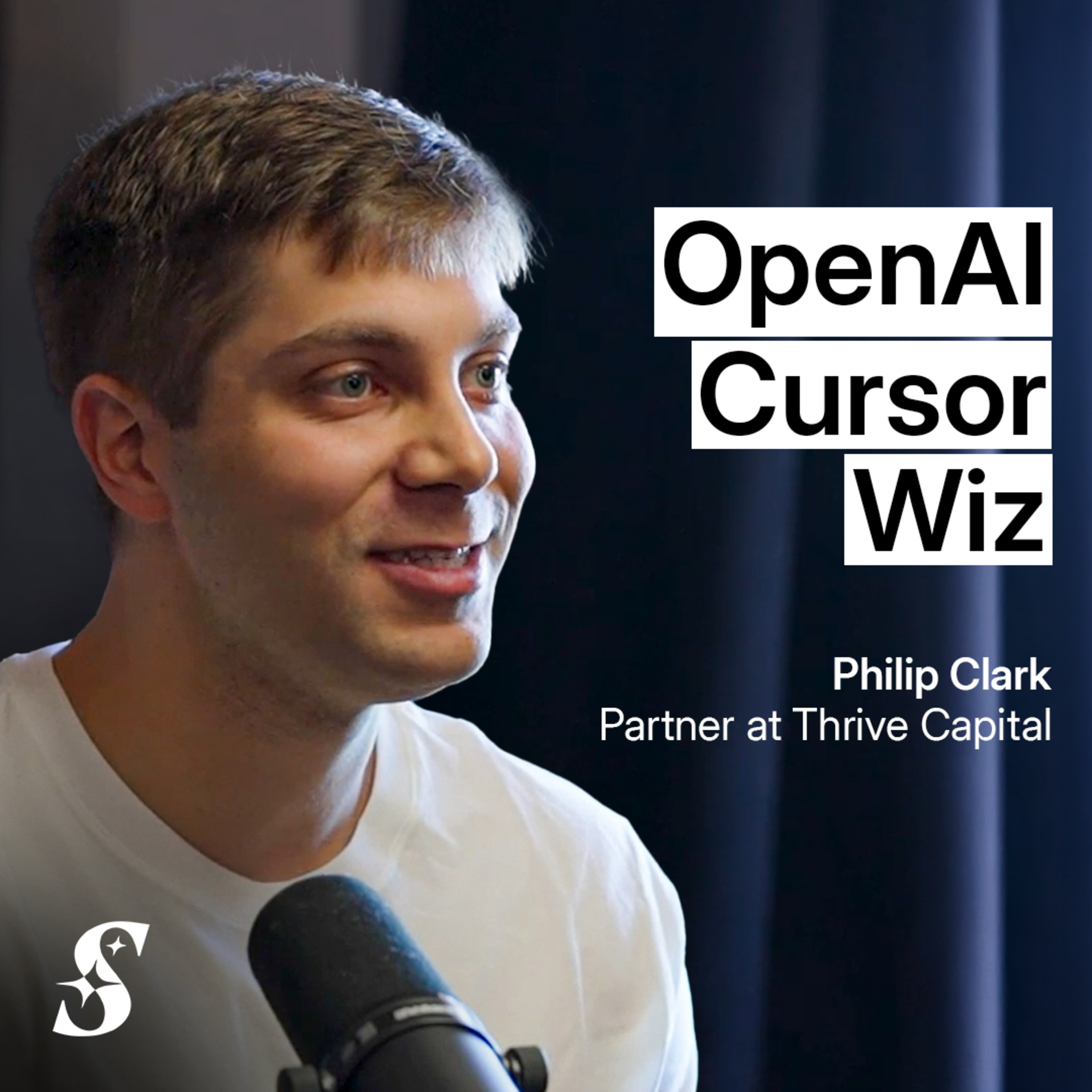
When meeting Cursor's founder, the investor felt an "electric energy" even as the founder was pivoting away from his original idea. This highlights that for elite early-stage investors, the founder's intrinsic drive and potential are the constant to bet on, as ideas will inevitably change.
In a crowded market, the most critical question for a founder is not "what's the idea?" but "why am I so lucky to have this insight?" You must identify your unique advantage—your "alpha"—that allows you to see something others don't. Without this, you're just another smart person trying things.

To identify non-consensus ideas, analyze the founder's motivation. A founder with a deep, personal reason for starting their company is more likely on a unique path. Conversely, founders who "whiteboarded" their way to an idea are often chasing mimetic, competitive trends.

Successful founders passionately defend their vision while simultaneously processing tough questions without defensiveness. This balance allows them to navigate the 'idea maze' effectively, learning and adapting as they go.
A truly exceptional founder is a talent magnet who will relentlessly iterate until they find a winning model. Rejecting a partnership based on a weak initial idea is a mistake; the founder's talent is the real asset. They will likely pivot to a much bigger opportunity.

Lonsdale recounts passing on brilliant founders with seemingly terrible ideas, only to watch them pivot and build billion-dollar companies like Cursor. The lesson for early-stage investors is to prioritize backing exceptional, world-class talent, even if their initial concept seems flawed, as they possess the ability to find a winning strategy.

Investors see it as a significant positive signal when a founder can demonstrate a comprehensive understanding of their industry's history, including past failures and adjacent companies. This historical context indicates they have a unique angle of attack and are not simply repeating old mistakes, differentiating them from less-prepared entrepreneurs.
