Get your free personalized podcast brief
We scan new podcasts and send you the top 5 insights daily.
People mistakenly believe marriage will either change their partner for the better (fixing flaws) or prevent their partner from ever changing (preserving the current dynamic). Both assumptions are flawed and set the relationship up for failure.

Related Insights
We dedicate years to learning skills like math but expect people to navigate the complexities of marriage with no training. Society frames marriage as a magical state you're either good at or not, rather than a practical skill set that can be taught, practiced, and improved, leading to predictable failure.

Insisting a partner must change for you to be happy creates a state of "self-justifying passivity." You become trapped waiting for them, rather than reclaiming your power to improve the relationship by being the one who moves first towards understanding.
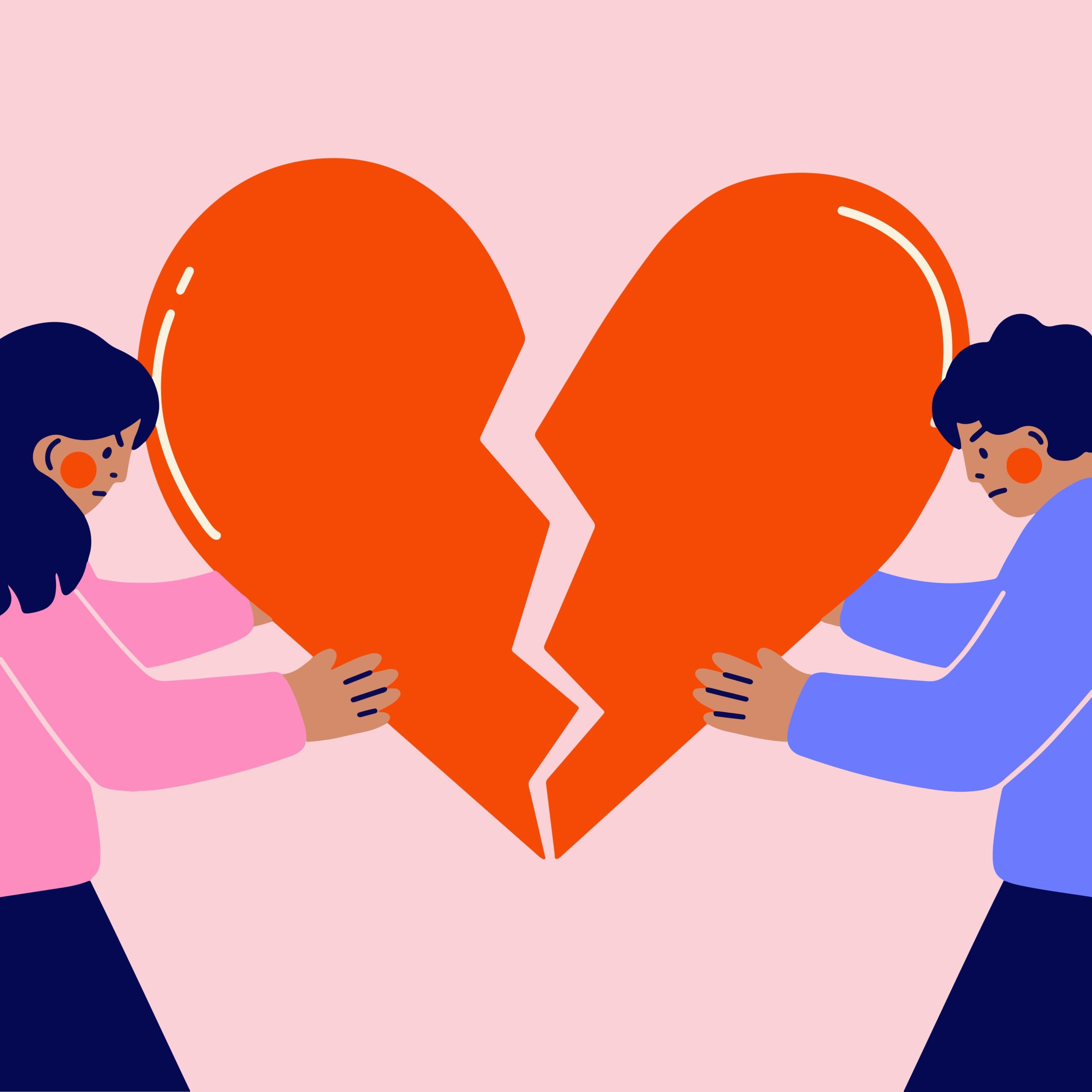
Couples often won't change unless they're in a crisis because comfort breeds inertia. A counterintuitive therapeutic technique is to intentionally apply pressure to "put them in crisis," forcing the couple out of their comfort zone to confront issues and make necessary changes.

Psychologist James Cordova describes the "paradox of acceptance": the less you actively try to change your partner, the more willing they become to change. This requires genuine surrender, as feigning acceptance with the ulterior motive of instigating change is transparent and ineffective.

Couples make two fatal, opposing assumptions. First, that marriage will fix a partner's existing flaws. Second, that the person they marry will not fundamentally change over decades. A successful marriage requires accepting current flaws while preparing to grow alongside an evolving partner.
Contrary to common advice, high expectations aren't inherently bad for marriage. They create a bifurcation: couples who invest enough to meet these expectations achieve unprecedented levels of fulfillment, while those who can't are often unhappier than couples from past eras with lower expectations.

Contrary to popular belief, a degree of pessimism is a useful tool for building resilient relationships. Expecting a partner to be imperfect, frustrating, and disappointing at times creates a stronger foundation than entering a relationship with idealized, fragile expectations.

Strong initial chemistry is often mistaken for genuine compatibility, leading people to commit prematurely. The subsequent attempt to change a partner to fit a preconceived vision inevitably breeds resentment and conflict when values are discovered to be misaligned.

With a 56-76% failure rate, marriage should be analyzed like any failing technology, not blindly adopted as tradition. Questioning "why" you are getting married is a critical first step that modern culture wrongly deems rude and off-limits.
A relationship is not the key to personal happiness; it should be an expansion of it. You must first become a healthy, whole person on your own. Seeking a relationship to fix your problems is a flawed premise, as two dysfunctional people coming together only creates more dysfunction.