Get your free personalized podcast brief
We scan new podcasts and send you the top 5 insights daily.
A relationship is not the key to personal happiness; it should be an expansion of it. You must first become a healthy, whole person on your own. Seeking a relationship to fix your problems is a flawed premise, as two dysfunctional people coming together only creates more dysfunction.

Related Insights
When asked for a piece of advice for the world, Marc Dennis's first idea is that loving others is impossible without first loving oneself. He views this as a fundamental principle that people often forget, leading to troubled relationships and personal unhappiness.

Insisting a partner must change for you to be happy creates a state of "self-justifying passivity." You become trapped waiting for them, rather than reclaiming your power to improve the relationship by being the one who moves first towards understanding.
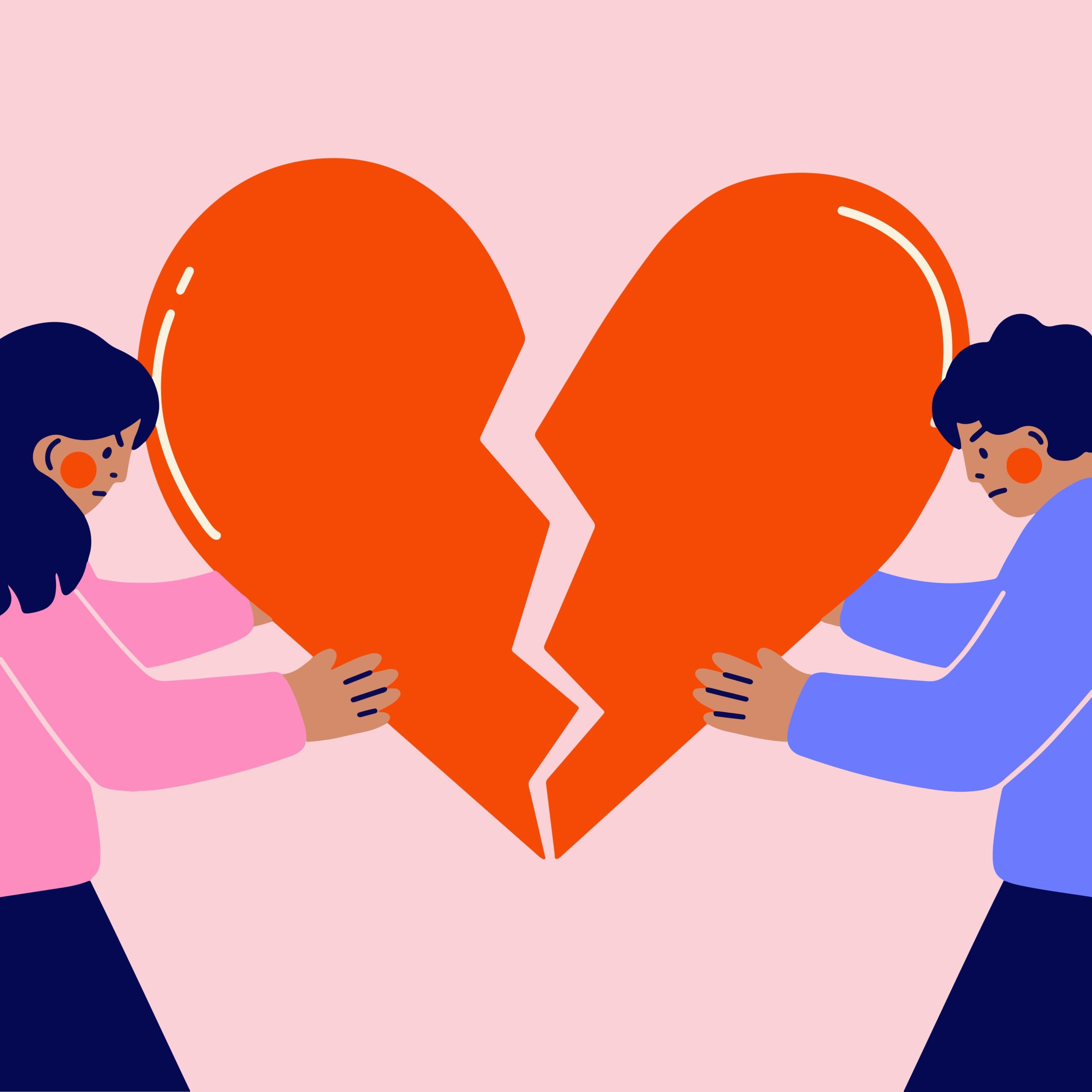
Psychologist James Cordova describes the "paradox of acceptance": the less you actively try to change your partner, the more willing they become to change. This requires genuine surrender, as feigning acceptance with the ulterior motive of instigating change is transparent and ineffective.

Based on attachment theory, a common dysfunctional dating pattern occurs when an anxiously attached person (fearing abandonment) pursues an avoidantly attached person (fearing being smothered). Their behaviors reinforce each other's deepest fears, creating an unhappy loop.

Contrary to the popular idea that you must fully "know yourself" before a relationship, the real prerequisite is establishing self-worth and understanding how you deserve to be treated. True self-discovery about your wants and needs often happens *within* relationships, not before them.

The people we attract, especially romantic partners, are not random. They serve as mirrors reflecting our unhealed wounds. An inconsistent partner, for example, appears because the universe is providing an opportunity to heal the part of you that feels it only deserves emotional "breadcrumbs."

An obsessive attachment to another person is not about the qualities of that person (the "drug"). It is a symptom of deeper internal issues and traumas. The relationship is merely the mechanism you are using to cope with your own pain, creating a cycle of dependency.
Relationships don't start in earnest until the initial fantasy shatters. This 'crisis of disappointment' happens when partners see each other realistically for the first time, flaws and all. Only after this moment can a genuine connection be built on who the person actually is, rather than on an idealized projection.

The success of a long-term relationship is better predicted by how partners handle conflict and disagreement than by how much they enjoy good times together. People are more likely to break up due to poor conflict resolution than a lack of peak experiences.

Modern dating culture wrongly treats compatibility as an entry fee for a relationship. A healthier approach is to view it as the outcome of sustained effort and love. Compatibility is something you build with a partner, not something you find ready-made.