Get your free personalized podcast brief
We scan new podcasts and send you the top 5 insights daily.
Instead of outsourcing clinical analysis, Neuralink built an internal pathology lab alongside custom surgical robotics and hardware engineering. In-sourcing pathology lets them inspect brain tissue safety in real-time, treating safety-critical components as core capabilities rather than outsourced commodities.

Related Insights
Integrating capabilities like machining isn't just a cost-saver. For startups, it's a strategic advantage that grants direct control over the development lifecycle, enabling rapid iteration and faster time-to-market by eliminating vendor dependencies.

Subcontracting creates fixed interfaces between teams, leading to a "calcified architecture" where system-level optimization is impossible. Vertically integrating engineering and manufacturing in-house allows for dynamic trade-offs between disciplines, accelerating innovation and reducing costs.

Counter to the lean biotech model, Vivtex avoids outsourcing to CROs. The rationale is that only an internal team, whose survival depends on the technology's success, possesses the existential urgency to solve problems at the breakneck pace required—a speed external partners cannot match.

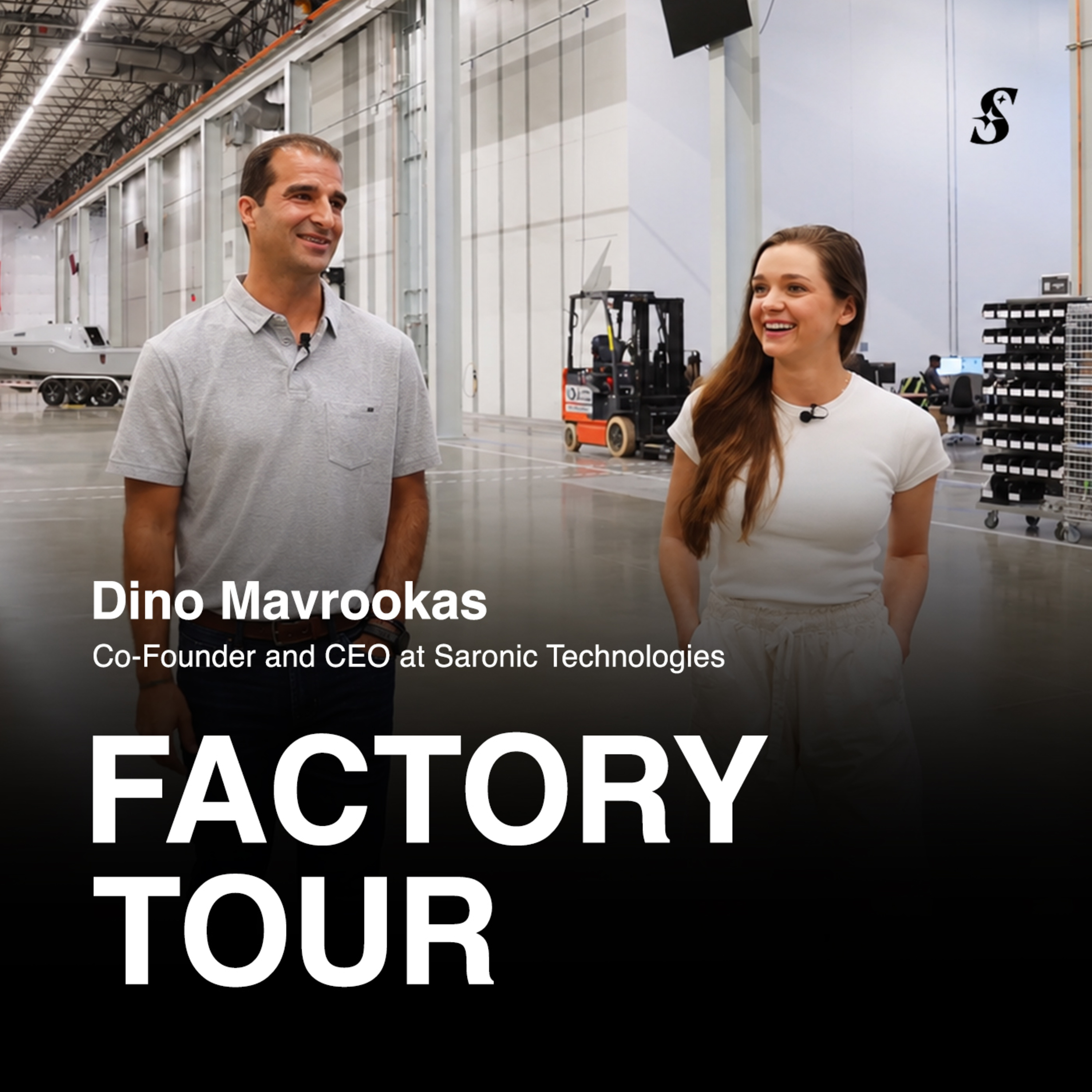
Saronic physically co-locates engineers with its production line, ensuring hardware designers can immediately solve problems that arise during manufacturing. This tight feedback loop, inspired by Tesla, eliminates the integration failures that commonly plague complex hardware projects combining hardware and software.
Minimax builds both foundation models and user-facing applications in-house. This structure enables research and engineering teams to work side-by-side, getting direct feedback from internal developers to rapidly identify and address model weaknesses, ensuring models meet real-world needs.

To maximize advantages, an in-house lab consciously selected a different NGS testing platform than major external vendors. This strategic choice not only reduced tissue sample requirements but also offered a faster turnaround time due to the underlying technology, creating a distinct competitive advantage beyond mere proximity.

Vivtex avoids outsourcing critical R&D because external partners and CROs cannot match the speed of a startup team whose very existence depends on solving problems quickly. This internal urgency is a core competitive advantage that is lost when relying on third parties with different priorities.
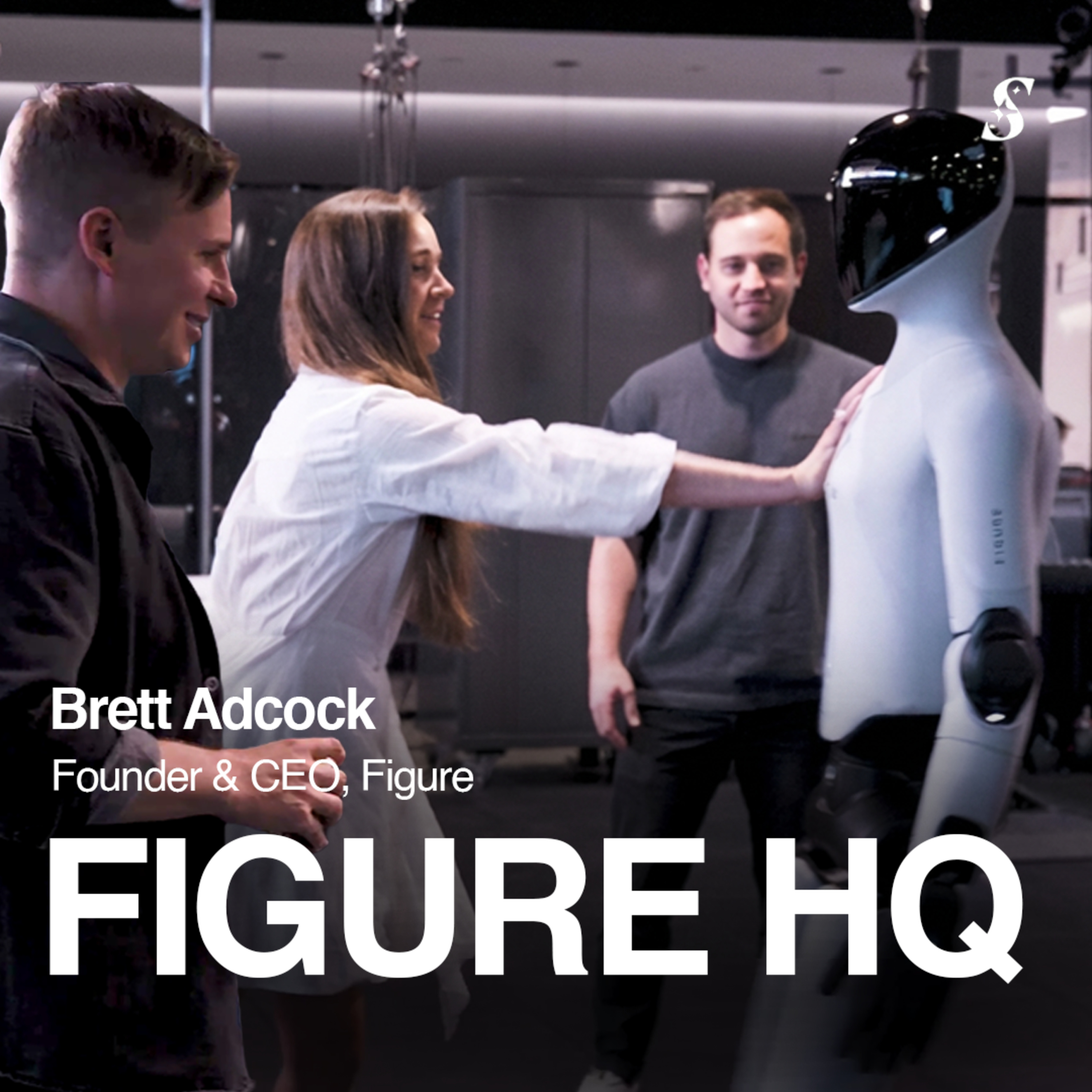
While IP protection is a concern, Figure's primary reason for in-house manufacturing is the product's immaturity. The novelty of humanoid robots requires extremely tight control and rapid feedback loops between design, testing, and production that would be impossible to achieve with a contract manufacturer.
For zero-to-one technologies like humanoid robotics, relying on a supply chain is too slow. ONE X develops everything in-house, from new materials to foundation AI models. This enables rapid, cross-disciplinary iteration, as key discoveries happen at the intersection of hardware, software, and materials science.
Figure designs nearly every component of its robots in-house, from motors to batteries. This extreme vertical integration, though costly upfront, prevents being at the mercy of third-party vendor timelines, code problems, or supply chain issues, enabling faster iteration and deeper system control.