Get your free personalized podcast brief
We scan new podcasts and send you the top 5 insights daily.
Even in traditionally masculine sectors like heavy industry, adopting a neutral brand identity is a competitive advantage. Calcetra intentionally uses neutral language, colors, and fonts to avoid a 'heavily masculine' feel, which helps attract a more diverse talent pool by fostering a greater sense of psychological safety.

Related Insights
Gensler intentionally avoids a singular design style. Instead, they operate as a "constellation of stars," empowering diverse designers with a shared purpose—enhancing human experience—rather than a top-down aesthetic. This flexibility is key to their ability to serve a vast range of clients and scale globally.

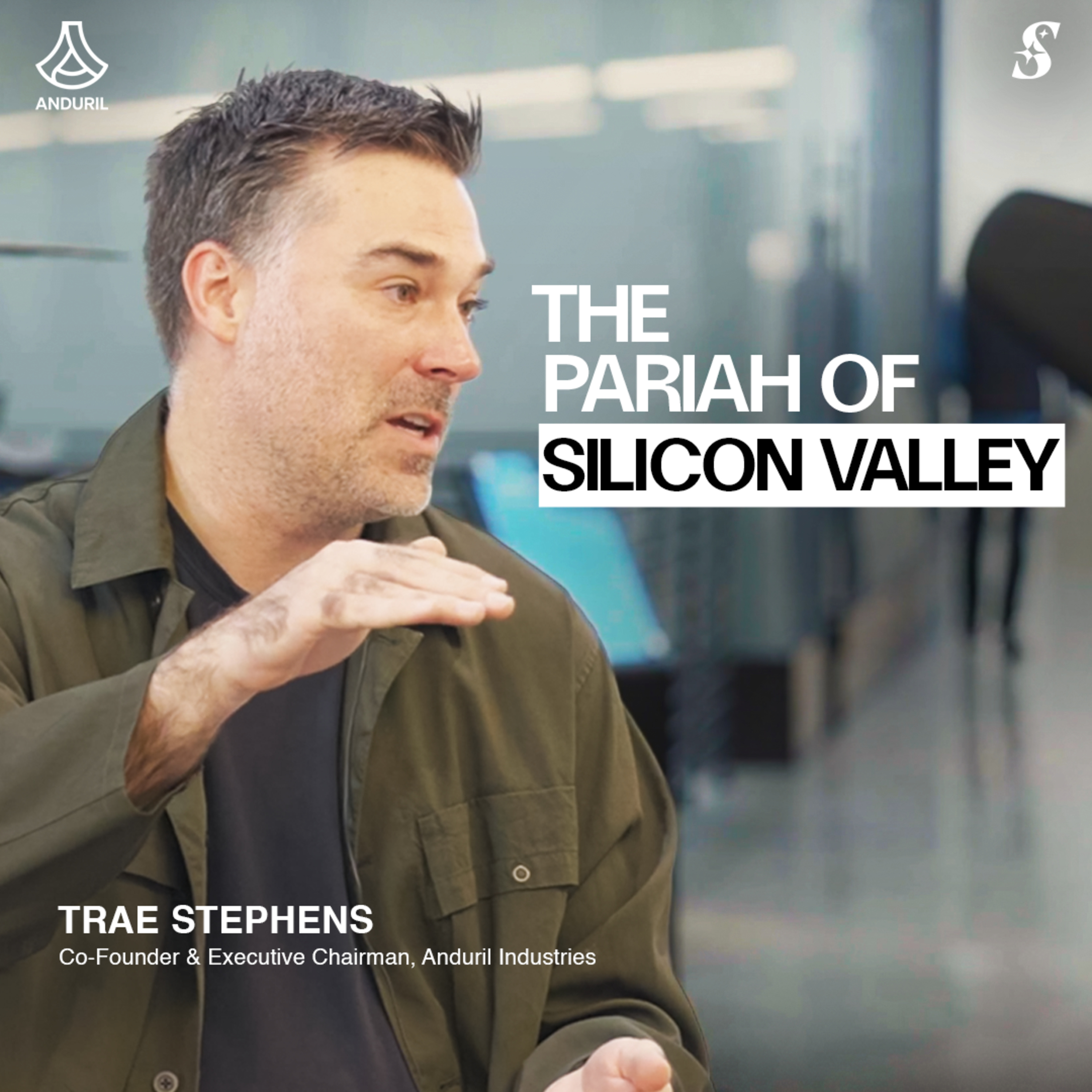
Unlike traditional defense contractors, Anduril's marketing targets the American public and potential employees, not just Pentagon buyers. The strategy is to build a transparent, powerful brand around national security to attract top talent who would otherwise avoid the historically opaque and controversial industry.

The 'performative male' archetype—soft, aesthetically-focused, and non-threatening—is not merely a cultural trend but an adaptive strategy for post-#MeToo corporate environments. This 'HR friendly' presentation minimizes perceived aggression, making it a potentially successful, albeit satirized, phenotype for navigating modern social and professional landscapes.

In markets saturated with similar product features, true differentiation comes from personality. Brands must find their "inner weird" and the human, universal truths that create an emotional connection, rather than focusing only on technical specs.

Modern B2B buyers, particularly from younger generations, make decisions based on a company's values, not just its product features. They actively choose brands that demonstrate clear stances on ethics, inclusion, and transparency. A purpose-driven brand becomes memorable and builds trust in a crowded market.

Reposition your branding efforts away from self-glorification ("personal branding") and toward elevating your entire market ("market eminence"). This focus on industry-wide improvement attracts a wider range of stakeholders, including partners, investors, and acquirers, who are drawn to a mission larger than just you.

Anduril intentionally builds a strong, consumer-facing brand, not to sell products to the public, but to create a "Halcyon call" for talent. By hiring marketing and design leads from companies like Snap and Hulu, they make defense work appealing to world-class individuals who would otherwise never consider the industry.
Branding isn't just for customers. Setting clear expectations for core values, dress code, and customer interaction gives employees confidence. They know exactly how to represent the company and perform their roles, leading to higher, more consistent standards across the team.

Instead of competing with Nike on performance, Outdoor Voices intentionally created an aesthetic that was the complete opposite: simple, muted, and focused on recreation. The goal was a four-piece "uniform for doing things" that contrasted with Nike's shiny, black-and-neon intensity.

Hexclad defined its brand not by product features but by an aspirational identity: "badass." This broad, inclusive concept connects with diverse customers by reframing cooking as an act of empowerment, making the brand accessible to anyone.
