Get your free personalized podcast brief
We scan new podcasts and send you the top 5 insights daily.
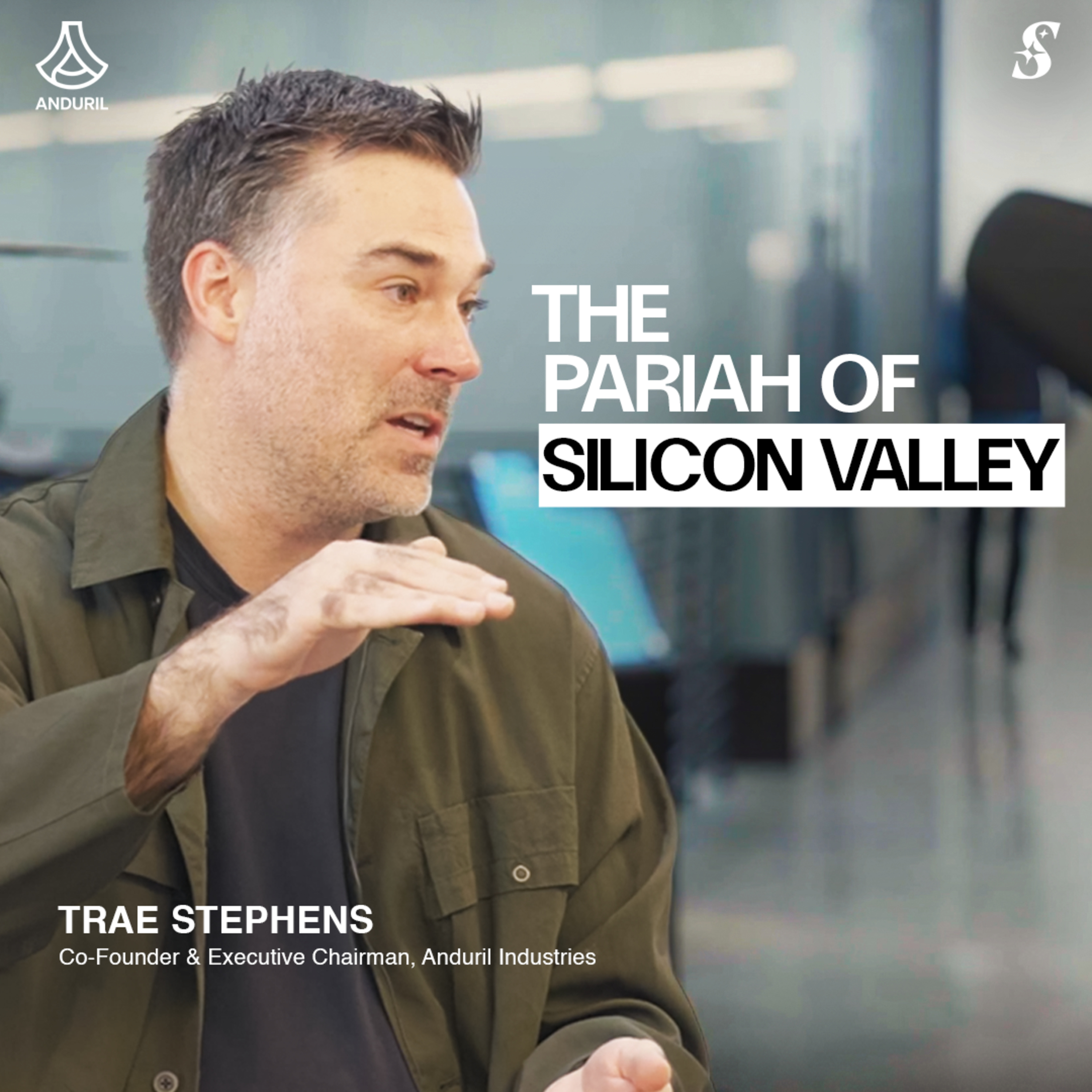
Anduril intentionally builds a strong, consumer-facing brand, not to sell products to the public, but to create a "Halcyon call" for talent. By hiring marketing and design leads from companies like Snap and Hulu, they make defense work appealing to world-class individuals who would otherwise never consider the industry.
Related Insights
Unlike traditional defense contractors, Anduril's marketing targets the American public and potential employees, not just Pentagon buyers. The strategy is to build a transparent, powerful brand around national security to attract top talent who would otherwise avoid the historically opaque and controversial industry.

In a tech climate wary of defense work, Anduril was "very unapologetic that they were a defense company." This clear, strong positioning acted as a crucial filter, repelling skeptical investors but attracting partners like Andreessen Horowitz who were fully aligned with their mission from the start.

When asked how he recruits talent for a challenging hardware business, the founder of Allen Control Systems stated it's easy because 'We're making the greatest weapon system in American history.' This demonstrates that for deep tech and defense startups, a powerful and ambitious mission can be more effective than conventional recruiting strategies.
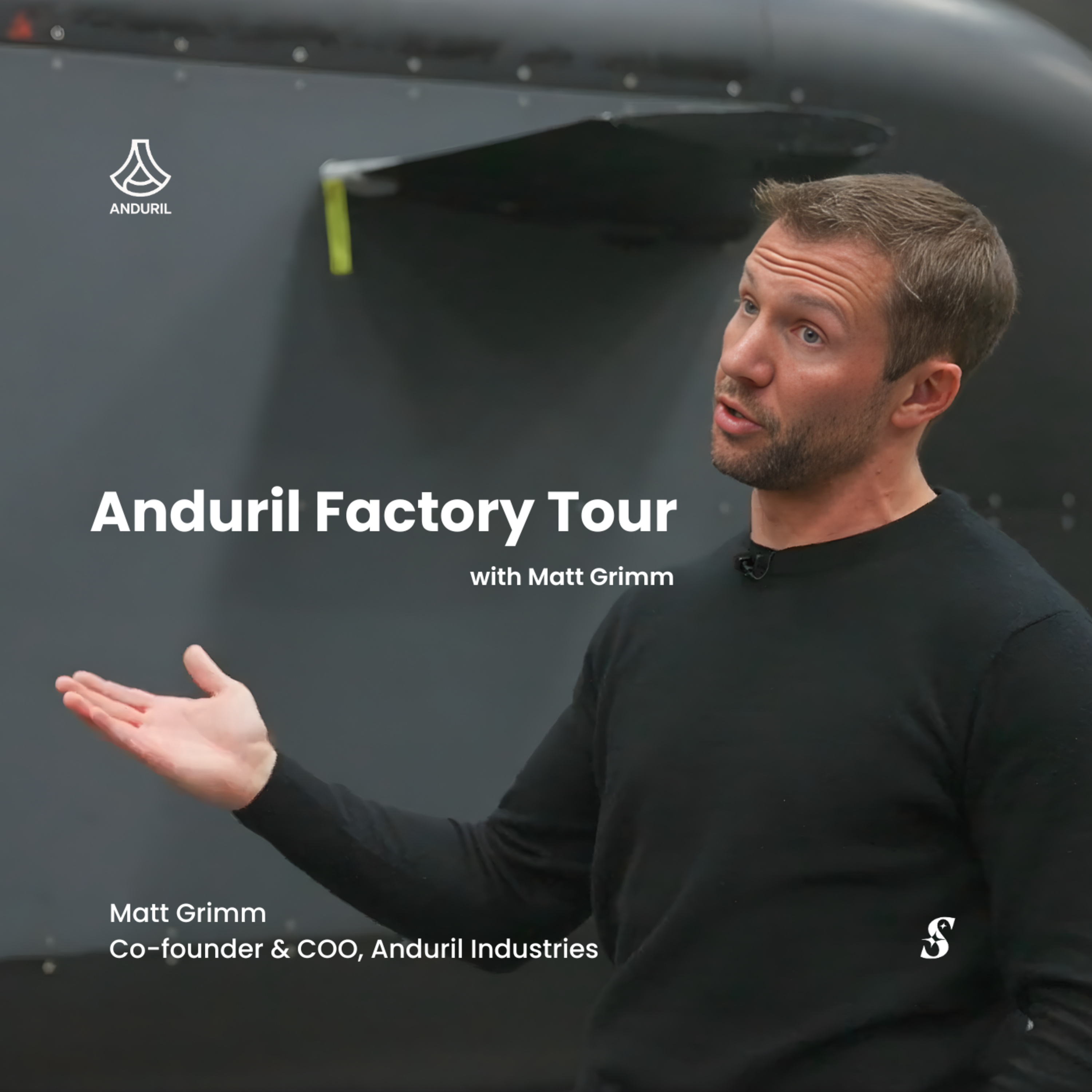
Despite building large physical systems like drones, Anduril's co-founder states their core competency and original vision is software. They are a "software-defined and hardware-enabled" company, which fundamentally differentiates their approach from traditional defense contractors who are the opposite.
Defense tech company Anduril's marketing power stems from a core product principle: only show real products working. This commitment to authenticity—showing real explosions, not special effects—builds a powerful, trusted brand that attracts elite talent in a way slick marketing cannot.
Anduril prioritizes a specific cultural mindset in hiring. They seek entrepreneurial, mission-driven people who instinctively ask 'How do we make it go right?' rather than 'What can go wrong?'. This positive, ambitious worldview is considered the core driver of the company's ability to tackle massive, complex programs.
Marketing a defense company is fundamentally different from marketing a consumer product. Instead of a broad "one-to-all" campaign targeting millions of customers, defense marketing is a "one-to-few," hyper-targeted effort aimed at a small group of influential government decision-makers who could all fit in a single conference room.
![Palmer Luckey - Inventing the Future of Defense - [Invest Like the Best, CLASSICS] thumbnail](https://megaphone.imgix.net/podcasts/f7c9aa8e-cb8d-11f0-828e-0b281809c10a/image/cc07f91ec47f95abbde771a4956b37b7.jpg?ixlib=rails-4.3.1&max-w=3000&max-h=3000&fit=crop&auto=format,compress)
The controversial WSJ quote "We do fail a lot" should be embraced by Anduril. It frames failure as a key part of rapid, venture-backed R&D, distinguishing its agile culture from the slower, risk-averse model of traditional taxpayer-funded defense contractors.

Anduril's counterintuitive "Don't Work Here" campaign was a deliberately crafted filter to repel "mercenaries" only chasing equity. By being brutally honest about its demanding, mission-driven culture, the company successfully attracted aligned candidates and paradoxically increased its qualified application volume by 30%.
The primary benefit of being first isn't always commercial success. Instead, the ambition to be an innovator is a powerful tool for recruiting top-tier engineers and creatives. This cultural drive for leadership gives clarity to the internal roadmap and attracts talent that wants to build the future, making it a valuable recruiting tool.