Get your free personalized podcast brief
We scan new podcasts and send you the top 5 insights daily.
In markets saturated with similar product features, true differentiation comes from personality. Brands must find their "inner weird" and the human, universal truths that create an emotional connection, rather than focusing only on technical specs.

Related Insights
While product differentiation is beneficial, it's not always possible. A brand's most critical job is to be distinctive and instantly recognizable. This mental availability, achieved through consistent creative, logo, and tone, is more crucial for cutting through market noise than having a marginally different feature set.

True differentiation comes from "deep delight," where emotional needs are addressed within the core functional solution. This is distinct from "surface delight" like animations or confetti, which are nice but fail to build the strong emotional connections that drive loyalty.

As AI generates endless look-alike content, a brand's ability to create genuine, human-to-human connection is a unique and defensible advantage. This 'vibe' cannot be automated or easily replicated, making it a crucial competitive differentiator in a crowded market.

To break through a "sea of sameness," brands must find their "Pink Batman"—an unexpected, slightly weird element that makes them instantly memorable and distinct, just like imagining the iconic character in a surprising color you can't unsee.
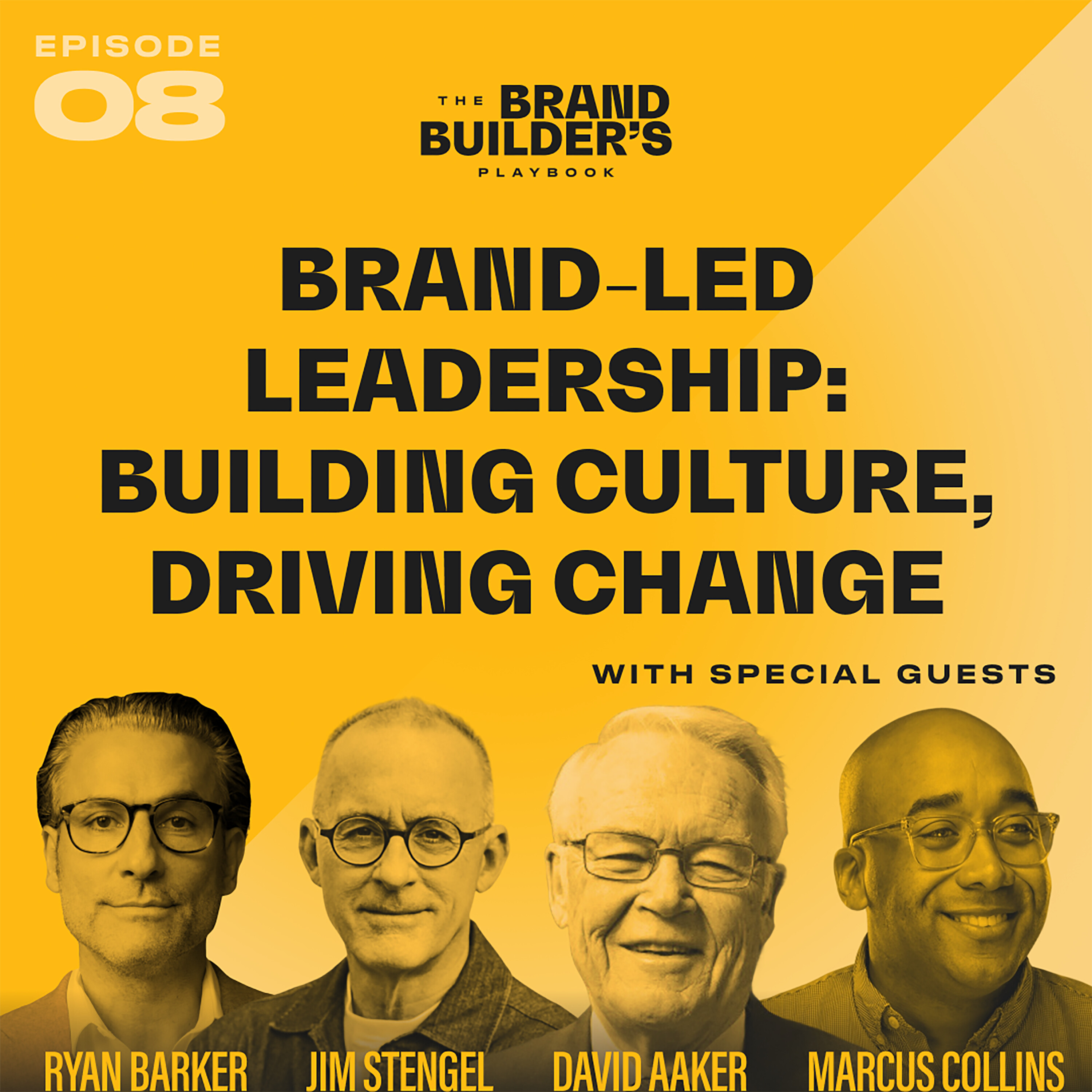
Marketing guru David Aaker argues that for a brand to stand out, being different isn't enough. The point of differentiation must be actively "intriguing" to capture attention and resonate with audiences. He cites the Haas Business School's "confidence without attitude" as an example of an intriguing brand pillar.
Conventional advice to 'niche down' forces entrepreneurs to hide parts of themselves. True brand differentiation and connection come from embracing the intersections of your varied interests (e.g., marketing + motherhood). Your range doesn't dilute your brand; it defines your unique positioning and attracts a loyal audience.

In a crowded market, brand is defined by the product experience, not marketing campaigns. Every interaction must evoke the intended brand feeling (e.g., "lovable"). This transforms brand into a core product responsibility and creates a powerful, defensible moat that activates word-of-mouth and differentiates you from competitors.

A brand's marketing narrative should focus on the underlying emotional experience it provides, such as "family time" for a puzzle company. This single, powerful theme can unite a diverse portfolio of products under one compelling story, creating a stronger brand identity than marketing individual product features.

Your brand's core promise to your audience doesn't have to be about a specific subject. It can be a consistent personality trait, like enthusiasm or curiosity. This allows for more flexibility and authenticity as your interests evolve over time, preventing you from being pigeonholed into a narrow niche.

Move beyond listing features and benefits. The most powerful brands connect with customers by selling the emotional result of using the product. For example, Swishables sells 'confidence' for a meeting after coffee, not just 'liquid mouthwash.' This emotional connection is the ultimate brand moat.
