Get your free personalized podcast brief
We scan new podcasts and send you the top 5 insights daily.
Contrary to being a sign of irrational aggression, Iran's military actions and proxy attacks are a calculated response. As US economic sanctions prove effective, Iran's only remaining incentive is to escalate militarily in other regions to exert pressure and counter the blockade.

Related Insights
Despite being the weaker military party, Iran's ability to inflict persistent pain on regional shipping and U.S. allies gives it leverage. To secure a ceasefire, the U.S. may have to offer incentives like sanctions relief, allowing Iran to turn military weakness into diplomatic strength.

Iran's leadership projects regional strength, fostering national pride that makes compromise seem weak. However, this belligerence is a facade for a devastated domestic economy racked by sanctions, corruption, and war. This creates a fundamental tension: while they act tough, their long-term survival necessitates a diplomatic arrangement with the very enemies they confront.
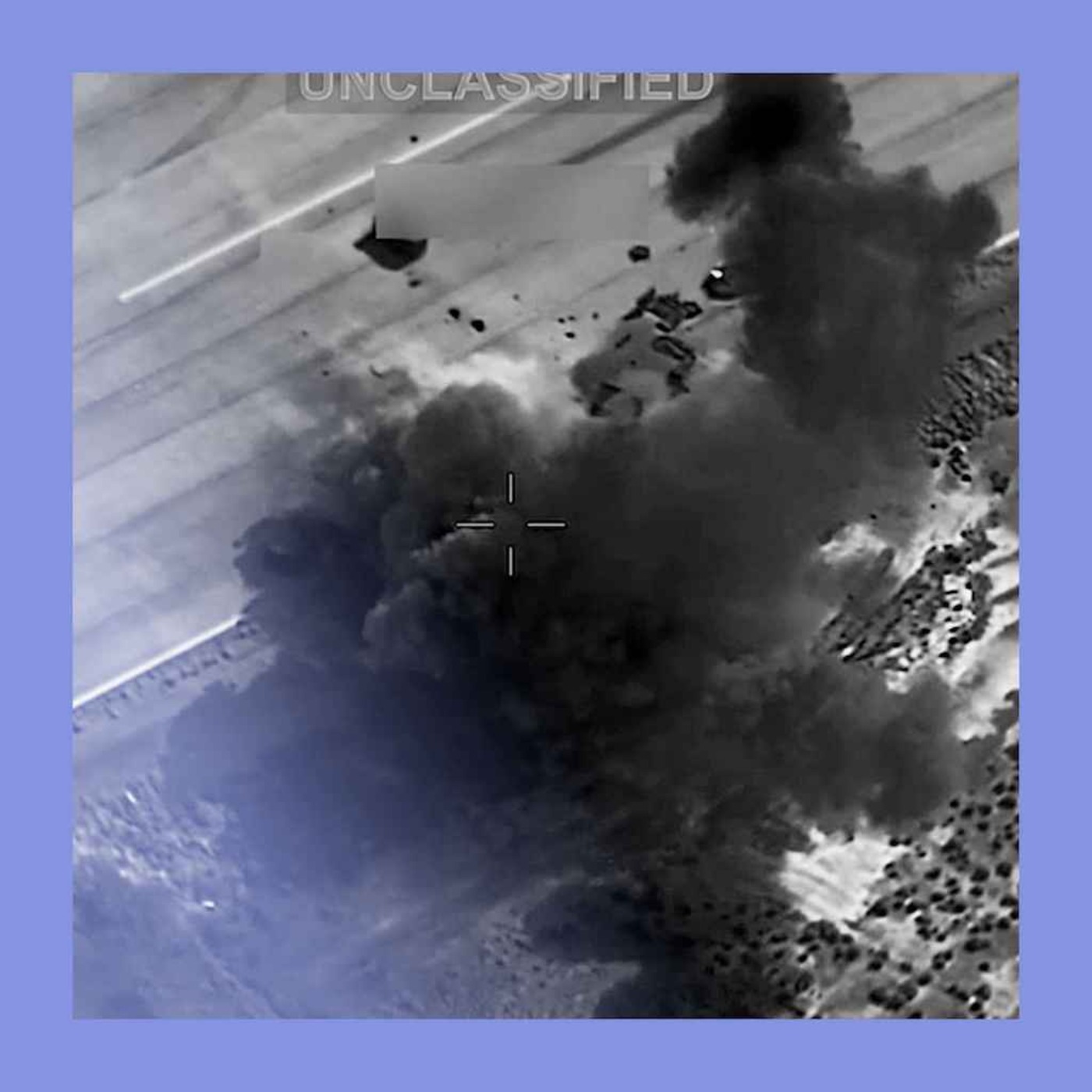
Iran's strategy involves striking non-combatant US allies like the UAE and Saudi Arabia. This imposes broad regional pain, demonstrating to the world that the economic and political costs of attacking Iran will be too high for anyone to bear, thus restoring long-term deterrence.

Unable to achieve a decisive military victory, the US and Iran are locked in a "game of uncle." The US aims to inflict maximum damage on Iran's infrastructure, while Iran targets the global economy to create international pressure on the US to cease hostilities.

Iran's demonstrated ability to close the Strait of Hormuz has become its most potent strategic and economic leverage. This physical control over a critical global chokepoint is seen as a more immediate and effective deterrent than a potential nuclear weapon, giving Tehran a powerful tool to counter sanctions.
According to a UAE diplomat, Iran's massive missile attack was a calculated strategy. By targeting the Gulf's civilian infrastructure (95% of targets), Iran aimed to pressure global markets and, by extension, compel Washington and its allies to stop the war.
The current US strategy against Iran is not a prelude to a ground war but an 'Anaconda strategy.' It combines targeted kinetic strikes with severe direct and secondary economic sanctions to slowly suffocate the regime. The goal is to foment internal collapse over several months, avoiding a costly and politically untenable invasion.

Iran's leadership is betting it can withstand economic pressure longer than the US president can tolerate rising gas prices and diplomatic fallout ahead of midterm elections. Having survived past sanctions, Iran believes its autocratic regime has more staying power than an American administration facing voter discontent.
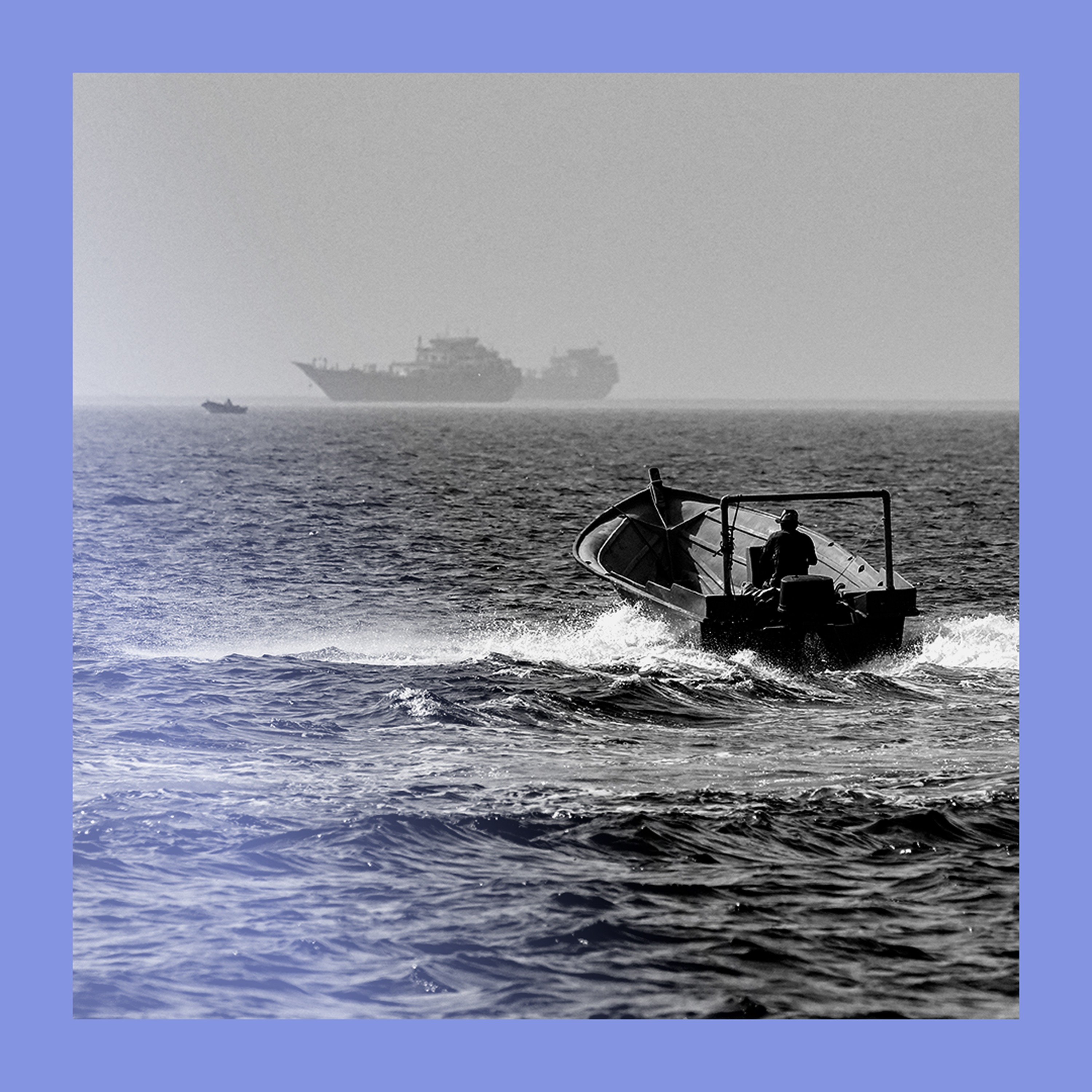
Iran's attacks on Gulf states are a calculated strategy to distribute the conflict's costs. By disrupting commerce, tourism, and daily life across the region, Tehran hopes to generate enough pressure from Gulf leaders on the US to end the war with security guarantees for Iran.
Despite significant military losses, Iran is successfully leveraging its control over the Strait of Hormuz. This asymmetric strategy chokes global energy markets, creating economic pain that Western nations may be less willing to endure than Iran, potentially snatching a strategic victory from a tactical defeat.
