Get your free personalized podcast brief
We scan new podcasts and send you the top 5 insights daily.
Draper deliberately avoids mainstream, crowded markets. He prefers ideas that are "around the edges" and controversial because they face less competition. This contrarian strategy is designed to find companies with the potential for massive, world-changing impact if they succeed.

Related Insights
Focusing only on trendy sectors leads to intense competition where the vast majority of startups fail. True opportunity lies in contrarian ideas that others overlook or dismiss, as these markets have fewer competitors.

The most successful venture investors share two key traits: they originate investments from a first-principles or contrarian standpoint, and they possess the conviction to concentrate significant capital into their winning portfolio companies as they emerge.

The common advice to avoid trends focuses on market saturation. The less obvious reason is to avoid investor competition, which inflates valuations and erodes returns. A contrarian approach avoids both forms of competition simultaneously.
![Scott Nolan - SpaceX, Founders Fund, and Rebuilding American Uranium Enrichment - [Invest Like the Best, EP.467] thumbnail](https://megaphone.imgix.net/podcasts/5edee546-3776-11f1-b41d-a76759576e87/image/908aaa6e87baf2b3d364892c4b7f9fd8.jpg?ixlib=rails-4.3.1&max-w=3000&max-h=3000&fit=crop&auto=format,compress)
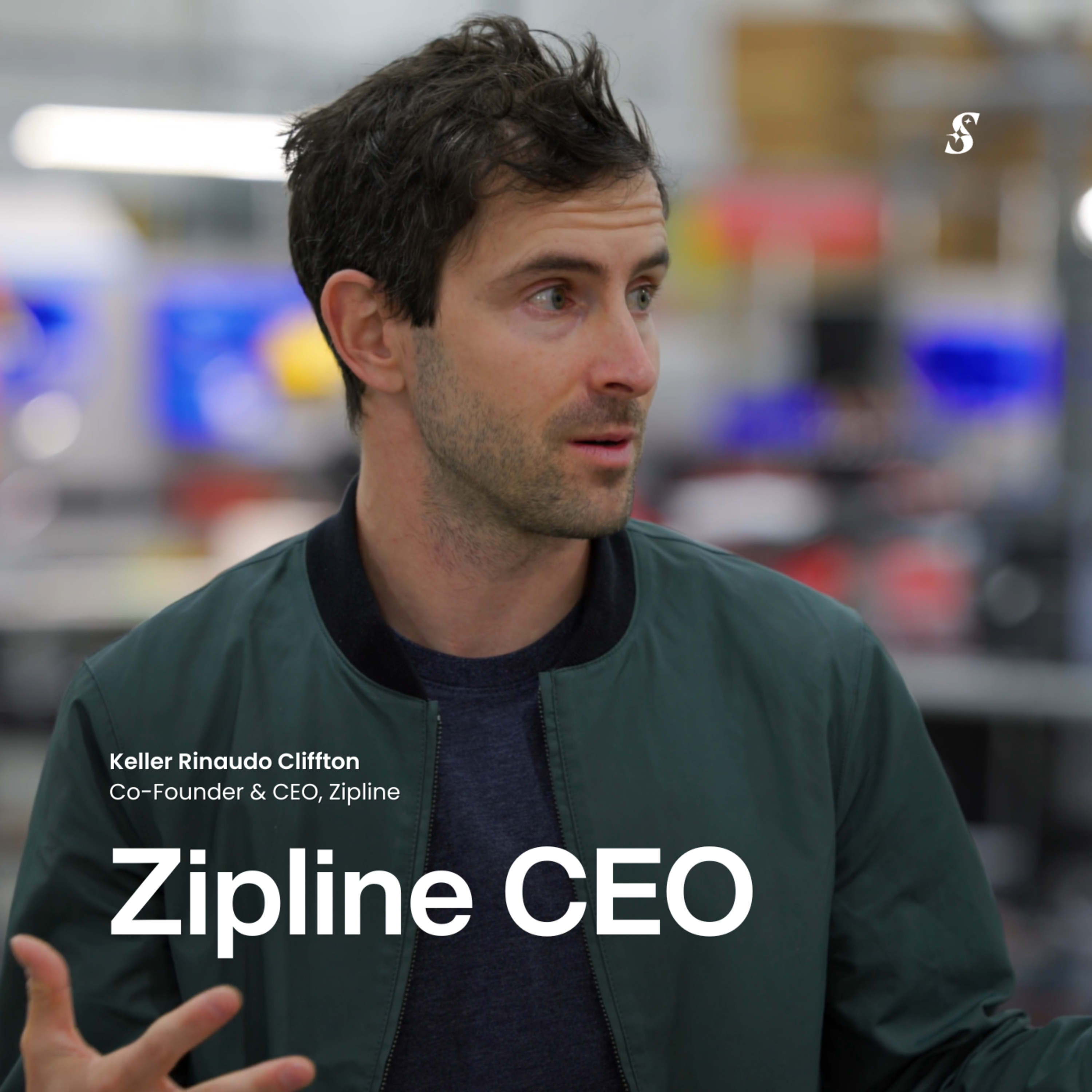
Zipline, much like early Tesla or SpaceX, was never part of a broader investment "hype cycle." They spent a decade working on a contrarian idea that most investors thought was stupid. This obscurity allowed them to build with deep conviction, attracting only highly contrarian investors who believed in the long-term, inevitable vision.
VC firm Emergence built its success on an "aggressively non-heat-seeking" philosophy. Instead of chasing hype, the key question is "What do we see in this company that others don't?" This contrarian approach led to successful investments in overlooked companies like Zoom, then considered a late mover.

Draper's strategy focuses on disrupting established oligopolies. He specifically looks for industries starting with "big"—like Big Pharma, Big Legal, or Big Government—because they tend to be complacent, overcharge, and deliver poor customer service, making them prime targets for new technology.
The most valuable and defensible investment opportunities often lie in areas that are critical for human progress but are culturally taboo, like primate testing for biotech. These markets are starved of capital due to fear of public perception, creating a vacuum for investors willing to withstand criticism.

Legendary investors often succeed by making contrarian bets on ideas considered fringe. Peter Thiel became the first backer of DeepMind when AI was dismissed as 'sci-fi' by both the scientific and entrepreneurial communities, demonstrating a pattern of betting on unpopular but transformative technologies.

When evaluating revolutionary ideas, traditional Total Addressable Market (TAM) analysis is useless. VCs should instead bet on founders with a "world-bending vision" capable of inducing a new market, not just capturing an existing one. Have the humility to admit you can't predict market size and instead back the visionary founder.

Significant change doesn't come from the established core of an industry but from the margins. This is where smaller, private companies and overlooked founders operate, making private markets a crucial hunting ground for the most disruptive investment opportunities.