Get your free personalized podcast brief
We scan new podcasts and send you the top 5 insights daily.
Significant change doesn't come from the established core of an industry but from the margins. This is where smaller, private companies and overlooked founders operate, making private markets a crucial hunting ground for the most disruptive investment opportunities.

Related Insights
Peter Thiel's key contrarian question for entrepreneurs isn't just about being different, but about identifying a valuable market opportunity that everyone else is overlooking. This shifts focus from competing in existing markets to creating new ones.

When evaluating AI startups, don't just consider the current product landscape. Instead, visualize the future state of giants like OpenAI as multi-trillion dollar companies. Their "sphere of influence" will be vast. The best opportunities are "second-order" companies operating in niches these giants are unlikely to touch.

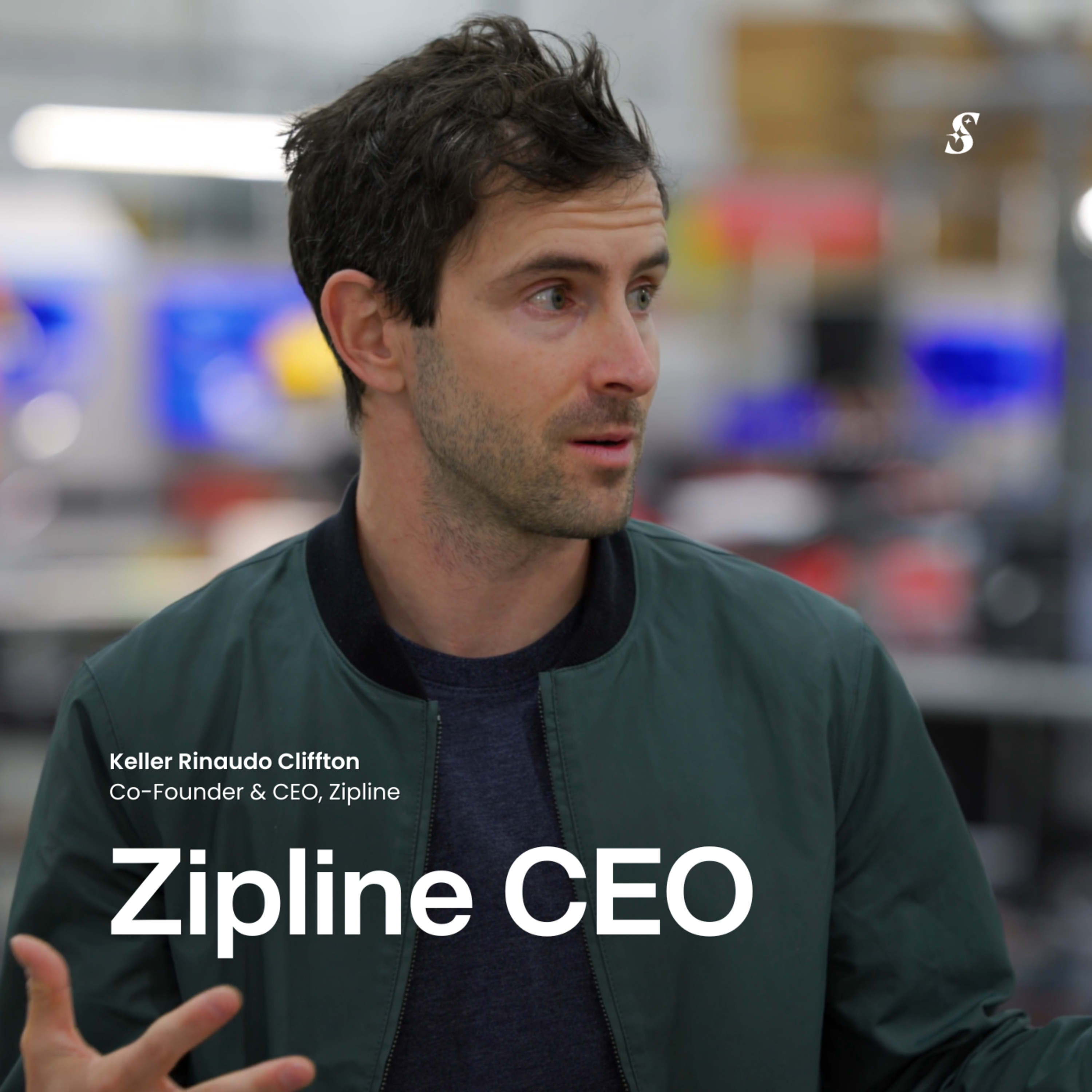
Zipline, much like early Tesla or SpaceX, was never part of a broader investment "hype cycle." They spent a decade working on a contrarian idea that most investors thought was stupid. This obscurity allowed them to build with deep conviction, attracting only highly contrarian investors who believed in the long-term, inevitable vision.
The most transformative opportunities for founders lie not in crowded SaaS markets but in applying an advanced technology mindset to legacy industries. Sectors like lumber milling, mining, and metalwork are ripe for disruption through automation and robotics, creating massive, untapped value.

While domain experts are great at creating incremental improvements, true exponential disruption often comes from founders outside an industry. Their fresh perspective allows them to challenge core assumptions and apply learnings from other fields.

Figma's market initially seemed too small to attract major VC interest or intense competition, giving them space to build a defensible product. Founders can gain a significant advantage by working in overlooked spaces, provided they have genuine passion to sustain them for a decade or more.

When evaluating revolutionary ideas, traditional Total Addressable Market (TAM) analysis is useless. VCs should instead bet on founders with a "world-bending vision" capable of inducing a new market, not just capturing an existing one. Have the humility to admit you can't predict market size and instead back the visionary founder.

Ken Griffin warns startups against direct, head-on competition with industry giants, stating, "you're going to lose." To succeed, you must find an asymmetrical advantage—operating "under the radar" or solving niche problems incumbents ignore. Citadel initially did this by hiring unconventional quantitative talent.

Unlike venture capital, which relies on a few famous home runs, private equity success is built on a different model. It involves consistently executing "blocking and tackling" to achieve 3-4x returns on obscure industrial or service businesses that the public has never heard of.

Periods of intense technological disruption, like the current AI wave, destabilize established hierarchies and biases. This creates a unique opportunity for founders from non-traditional backgrounds who may be more resilient and can identify market needs overlooked by incumbents.