Get your free personalized podcast brief
We scan new podcasts and send you the top 5 insights daily.
VC firm Emergence built its success on an "aggressively non-heat-seeking" philosophy. Instead of chasing hype, the key question is "What do we see in this company that others don't?" This contrarian approach led to successful investments in overlooked companies like Zoom, then considered a late mover.

Related Insights
Venture capitalists thrive by adopting one of two distinct personas: the "in the flow" consensus-driver focused on speed and connections, or the "out of the flow" contrarian focused on deep, isolated work. Attempting to straddle both paths leads to failure.

The most successful venture investors share two key traits: they originate investments from a first-principles or contrarian standpoint, and they possess the conviction to concentrate significant capital into their winning portfolio companies as they emerge.

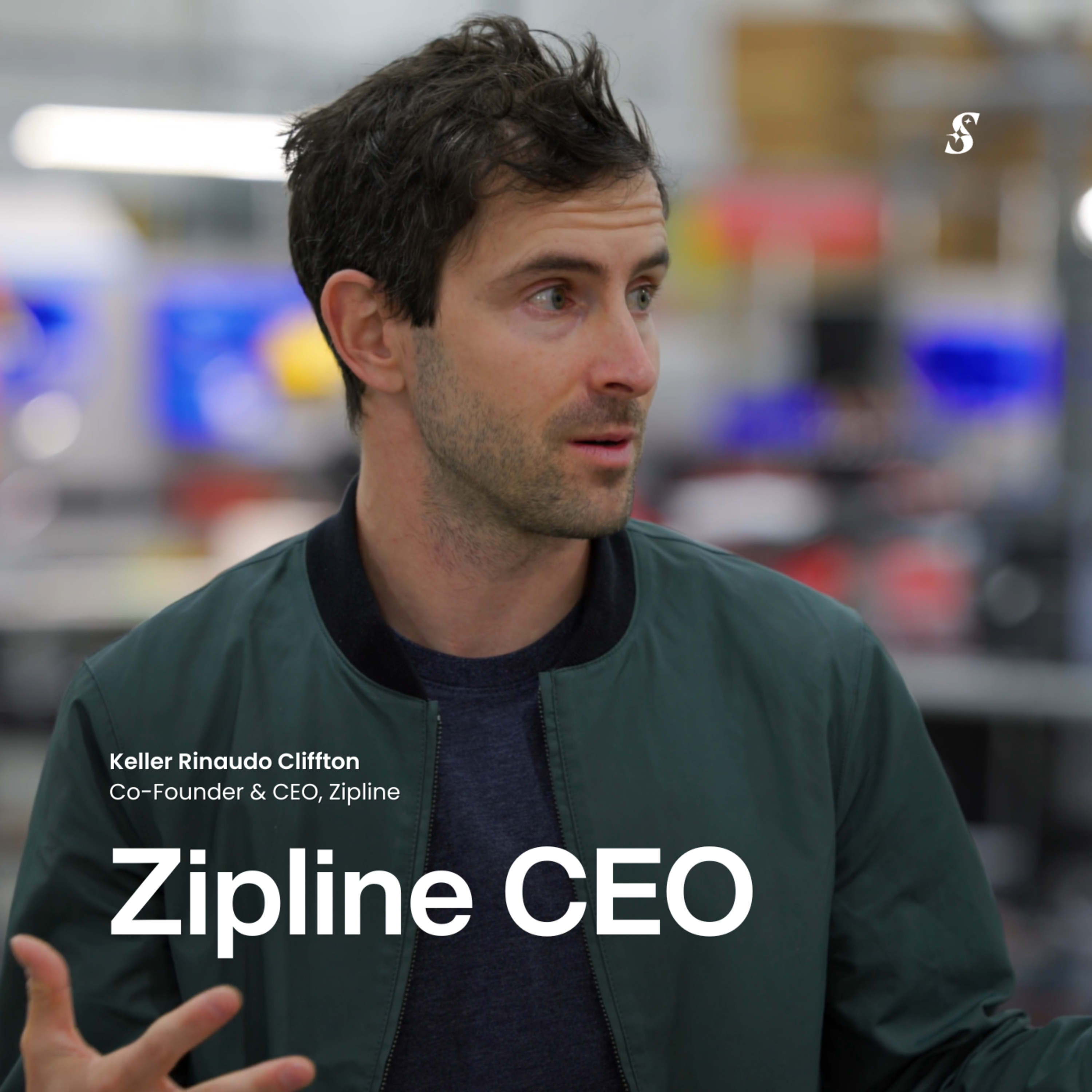
Zipline, much like early Tesla or SpaceX, was never part of a broader investment "hype cycle." They spent a decade working on a contrarian idea that most investors thought was stupid. This obscurity allowed them to build with deep conviction, attracting only highly contrarian investors who believed in the long-term, inevitable vision.
Even professional venture capitalists struggle to predict their breakout hits. Morgan Housel notes that at his fund, the companies that became their biggest winners were not the ones they initially expected to succeed, while their 'obvious' bets often failed.

In VC, where being wrong is the norm (80%+ of the time), the most critical trait is not righteousness but deep curiosity. This learning-first mindset is what uncovers non-obvious opportunities and allows investors to see future market shifts before they become mainstream, according to True Ventures' Jon Callaghan.

The most significant companies are often founded long before their sector becomes a "hot" investment theme. For example, OpenAI was founded in 2015, years before AI became a dominant VC trend. Early-stage investors should actively resist popular memes and cycles, as they are typically trailing indicators of innovation.

Large, contrarian investments feel like career risk to partners in a traditional VC firm, leading to bureaucracy and diluted conviction. Founder-led firms with small, centralized decision-making teams can operate with more decisiveness, enabling them to make the bold, potentially firm-defining bets that consensus-driven partnerships would avoid.

With efficient discovery from accelerators like YC, the main opportunity for smaller VCs is to invest when a promising company stumbles or its re-acceleration is non-obvious. These "glitches in the matrix," where progress is non-linear, are moments where mega-funds might look away, creating an opening.

Experienced VCs may transition from rigid analytical frameworks to an intuitive search for outliers. Instead of asking if a business plan 'makes sense,' they look for unusual qualities that challenge their worldview and hint at massive potential.

VCs are incentivized to deploy large amounts of capital. However, the best companies often have strong fundamentals, are capital-efficient, or even profitable, and thus don't need to raise money. This creates a challenging dynamic where the best investments, like Sequoia's investment in Zoom, are the hardest to get into.