Vincap International's CIO argues the AI market isn't a classic bubble. Unlike previous tech cycles, the installation phase (building infrastructure) is happening concurrently with the deployment phase (mass user adoption). This unique paradigm shift is driving real revenue and growth that supports high valuations.
When evaluating revolutionary ideas, traditional Total Addressable Market (TAM) analysis is useless. VCs should instead bet on founders with a "world-bending vision" capable of inducing a new market, not just capturing an existing one. Have the humility to admit you can't predict market size and instead back the visionary founder.
Limited Partners should resist pressuring VCs for early exits to lock in DPI. The best companies compound value at incredible rates, making it optimal to hold winners. Instead, LPs should manage portfolio duration and liquidity by building a balanced portfolio of early-stage, growth, and secondary fund investments.
AI startups' explosive growth ($1M to $100M ARR in 2 years) will make venture's power law even more extreme. LPs may need a new evaluation model, underwriting VCs across "bundles of three funds" where they expect two modest performers (e.g., 1.5x) and one massive outlier (10x) to drive overall returns.
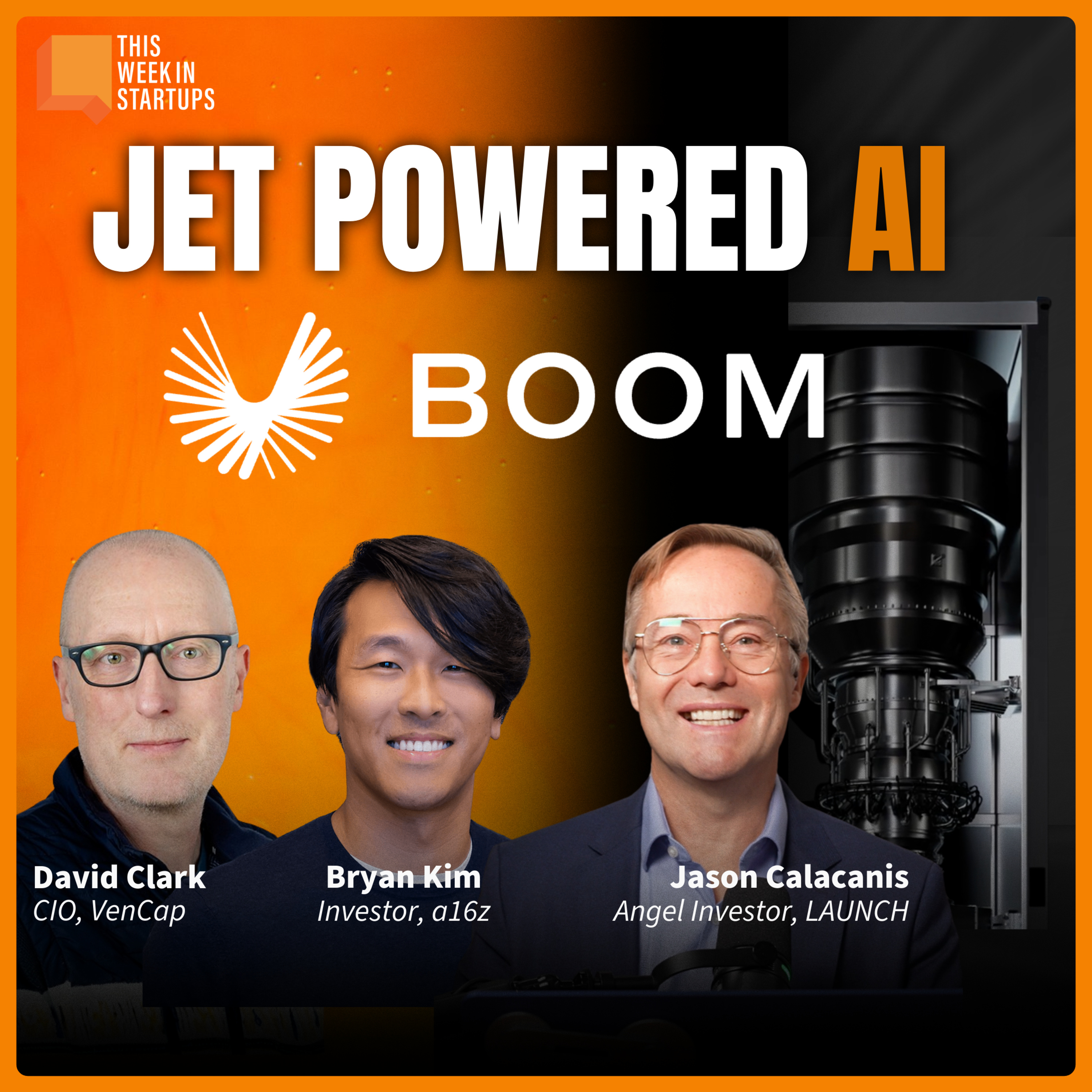
Boom Supersonic's move to power data centers with its engines isn't a failure, but a strategic way to fund its capital-intensive vision. This mirrors early Tesla's survival tactic of doing contract engineering for other automakers. Such projects can be a crucial source of non-dilutive capital for deep tech companies.
Most current AI tools are skeuomorphic—they just perform old tasks more efficiently. The real transformation will come from "AI-native" applications that create entirely new business models, just as Uber was an "iPhone-native" concept unimaginable before its time. The biggest winners will use AI to become the industry, not just sell to it.
For a true AI-native product, extremely high margins might indicate it isn't using enough AI, as inference has real costs. Founders should price for adoption, believing model costs will fall, and plan to build strong margins later through sophisticated, usage-based pricing tiers rather than optimizing prematurely.
In the fast-evolving AI space, traditional moats are less relevant. The new defensibility comes from momentum—a combination of rapid product shipment velocity and effective distribution. Teams that can build and distribute faster than competitors will win, as the underlying technology layer is constantly shifting.
Founders often mistakenly start with low-margin, mass-market products (the "save the whales" syndrome), which makes the business look damaged. A better strategy is to start at the high end with less price-sensitive customers. This builds a premium brand and generates the capital required to address the broader market later.