Get your free personalized podcast brief
We scan new podcasts and send you the top 5 insights daily.
The UAE's pragmatic, and often criticized, diplomatic relationship with Israel provided direct leverage to facilitate massive humanitarian efforts. The UAE was able to send nearly $4 billion in aid to Gaza, a scale of support that would have been impossible without this direct channel.

Related Insights
Despite a comprehensive Egyptian-led rebuilding plan, wealthy Gulf monarchies refuse to provide the necessary $55 billion. They will not invest funds that could be destroyed in a future conflict, making Hamas's disarmament a non-negotiable prerequisite for any major rebuilding effort to begin.
Unlike other Middle Eastern nations, Gulf states like the UAE and Qatar leverage immense energy wealth relative to their small populations to maintain domestic stability. This wealth lubricates a unique social contract, calming potential unrest and insulating them from the widespread regional fury seen elsewhere.

The UAE's vision for the Middle East's future is fundamentally economic. Their policy emphasizes de-escalating political conflicts in favor of building influence through technology, free trade, and creating economic opportunities that attract talent from across the Arab world.
The lobby's unparalleled influence-per-dollar is achieved through a long-term strategy of identifying and supporting politicians from the city council level upwards. This decades-long cultivation ensures that those reaching national power are already aligned with pro-Israel causes, a method more effective than just raw spending.

Beyond financial diversification, Gulf States may be using their significant investments in American venture capital as a bargaining chip. By threatening to review or pull back these commitments, they can apply economic pressure on the US administration to seek diplomatic solutions to conflicts like the Iran war.

Houthi attacks on shipping lanes create such severe economic pressure that they can override deep-seated historical animosities. The rumor that Saudi Arabia is seeking Israeli assistance demonstrates that when economic survival is at stake, nations may form pragmatic alliances with former foes, creating a "theocracy vs. economy" dynamic.

Despite extensive lobbying, massive investments, and oil production increases aimed at pleasing the Trump administration, Gulf leaders failed to prevent a regional war. Their efforts were ultimately overridden by US prioritization of Israeli security interests, a major strategic miscalculation for the Gulf.
A botched Israeli airstrike in Qatar, a key US ally, was the true catalyst for renewed US peace efforts. The fear of the conflict spiraling out and drawing in other American allies—disrupting a broader Middle East agenda—prompted a decisive push for a resolution, more so than the ongoing tragedy in Gaza itself.
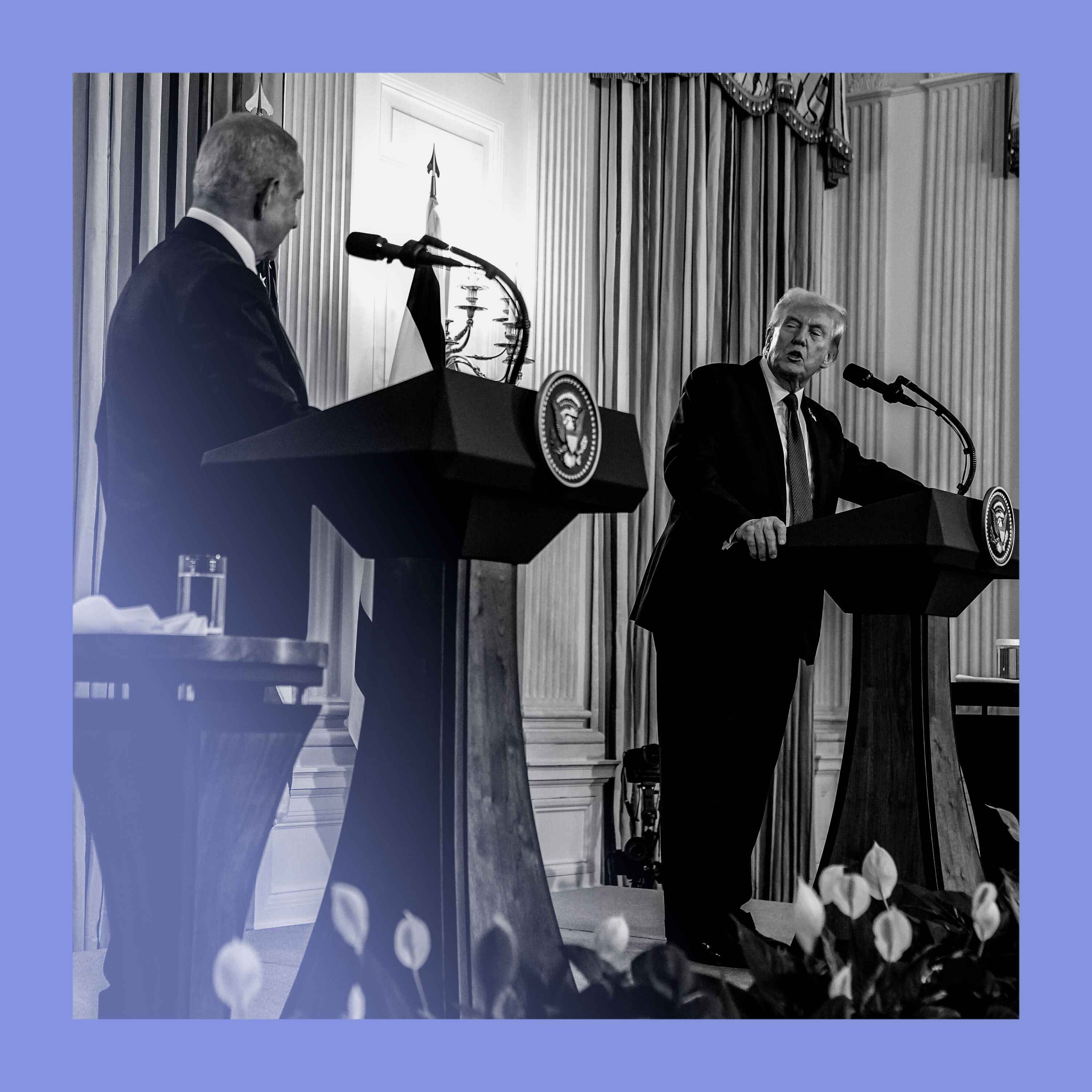
The proposed peace deal’s elements have been discussed for months. The breakthrough isn't the plan itself, but President Trump's willingness to strong-arm Israeli Prime Minister Netanyahu into agreement, a tactic previously avoided by both Trump and his predecessor Joe Biden.
The UAE's primary goal in building a strong defense was not military posturing, but establishing deterrence. This demonstrated military capability, particularly in intercepting missiles, provided the necessary leverage to open diplomatic channels with Iran from a position of strength.