Get your free personalized podcast brief
We scan new podcasts and send you the top 5 insights daily.
Houthi attacks on shipping lanes create such severe economic pressure that they can override deep-seated historical animosities. The rumor that Saudi Arabia is seeking Israeli assistance demonstrates that when economic survival is at stake, nations may form pragmatic alliances with former foes, creating a "theocracy vs. economy" dynamic.

Related Insights
Despite narratives about religion or ideology, the core of many international conflicts is economic control over critical resources like oil. A nation's reaction to attacks on its oil infrastructure versus its leaders reveals the true economic nature of the fight.

Despite ideological or religious motivations, sustained conflict is impossible without economic support. Even highly motivated groups cannot fight without money to buy weapons and maintain their infrastructure, revealing economics as the fundamental, inescapable driver of global power dynamics and war.

Despite being Iran's ally, China is highly vulnerable to a prolonged Hormuz crisis. If the economic damage becomes severe enough, China may be forced into an ironic alliance with the US to resolve the conflict, prioritizing its own stability over its geopolitical partnership with Iran.

The Houthi's missile attacks on Israel are militarily minor. Their real power lies in attacking commercial shipping in the Red Sea, which would disrupt Saudi oil exports and could double the global oil shortfall, causing a massive price spike.
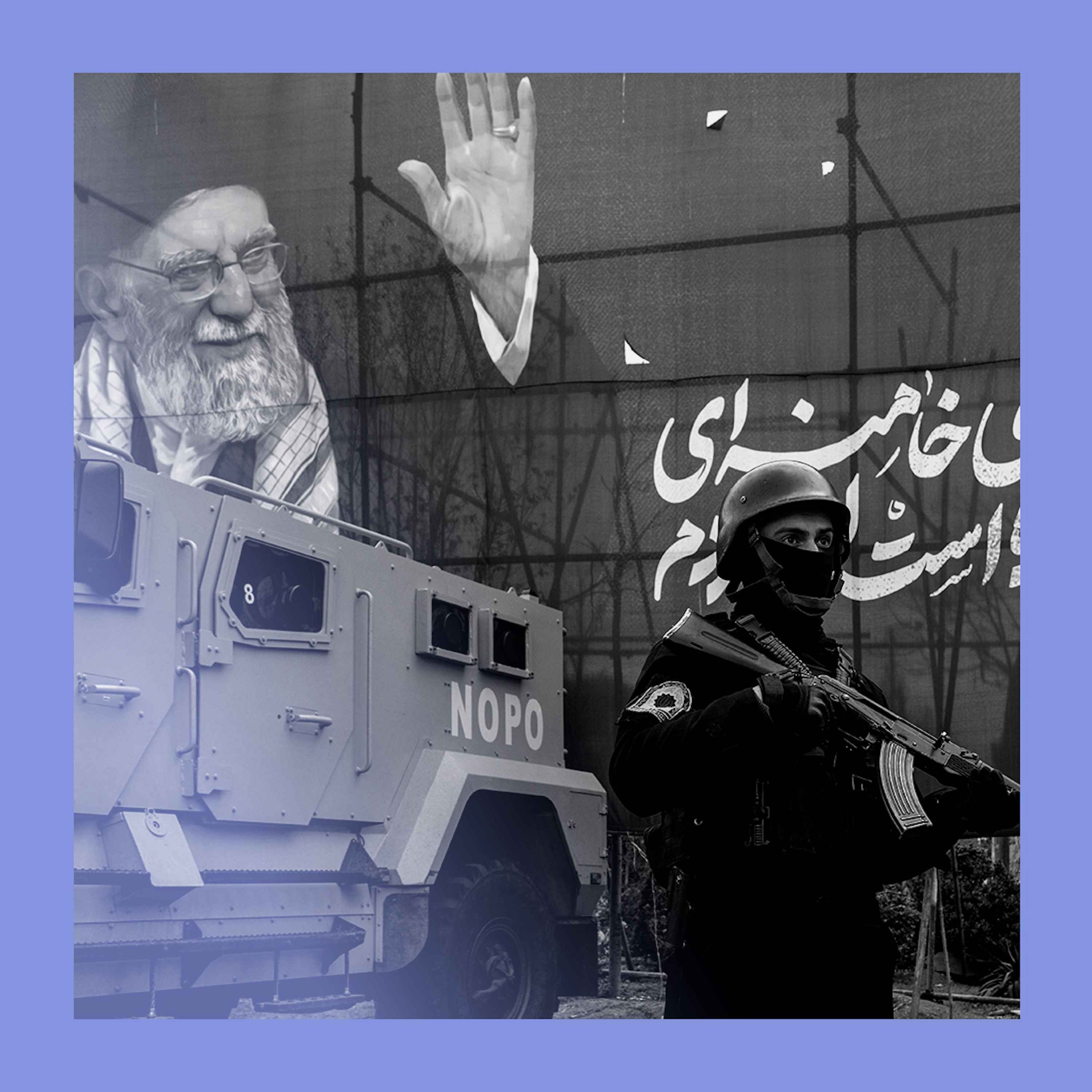
The conflict's new phase focuses on inflicting economic pain. Both sides are attacking vital, non-military infrastructure like oil fields, fuel depots, and water desalination plants to test which economy can withstand more damage.
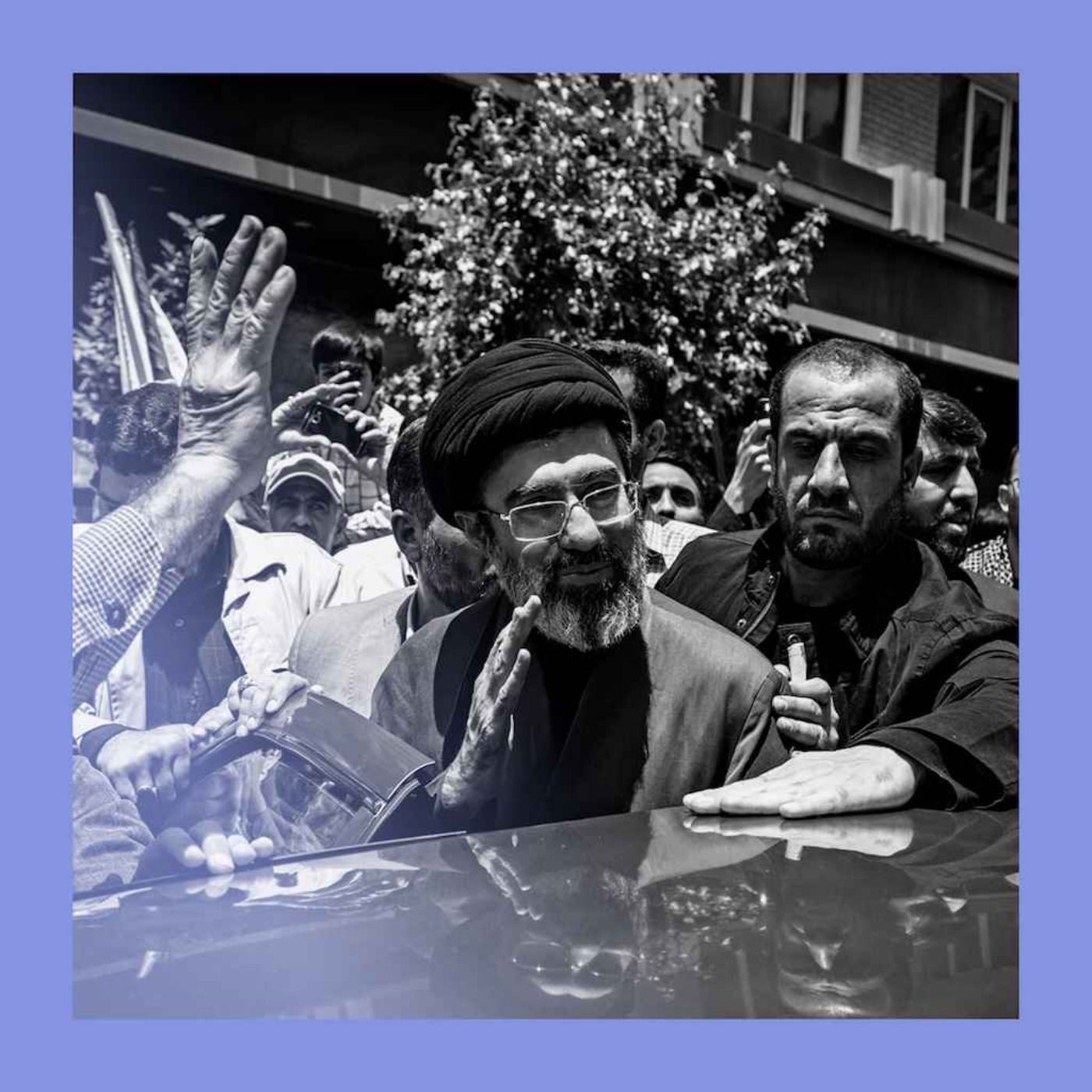
The expanding Middle East conflict is not merely a U.S. versus Iran proxy war. It's reigniting deep-seated, historical violence between different sects of Islam, such as the conflict between the Houthis and Saudi Arabia. This internal dynamic is a critical and often overlooked driver of regional instability.
The Houthis are escalating the regional conflict by threatening the Bab al-Mandeb Strait. This is a direct strategic move against Saudi Arabia, which has been developing Red Sea oil pipelines and ports as an alternative to the vulnerable Strait of Hormuz. This action applies new, direct pressure on global oil markets.

The conflict highlights the immense strategic value of infrastructure that provides an alternative to the Strait of Hormuz chokepoint. Countries like Saudi Arabia with pipelines to the Red Sea are better insulated and may even profit, revealing a key geographical advantage over constrained nations like Qatar.

The main driver for US action against Iran is to stabilize the Gulf region to secure over $2 trillion in investment deals with Saudi Arabia, Qatar, and the UAE. These deals are the centerpiece of Trump's economic agenda, making the threat from Iran an existential economic one.

Gulf nations do not simply align with Israel against Iran. They perceive Israel's increasing military aggression as a destabilizing force, just as they do Iran's actions. They feel caught between two dangerous and unpredictable actors, with both threatening their national interests and economic diversification plans.
