Get your free personalized podcast brief
We scan new podcasts and send you the top 5 insights daily.
The UAE's primary goal in building a strong defense was not military posturing, but establishing deterrence. This demonstrated military capability, particularly in intercepting missiles, provided the necessary leverage to open diplomatic channels with Iran from a position of strength.

Related Insights
In an ironic twist, the war with Iran has reinforced the importance of the United States to Gulf nations. Even countries targeted by Iran now recognize an increased need for American partnership, particularly for advanced military equipment, training, and political support.
The shared threat from Iran has pushed cooperation beyond covert intelligence sharing to a public, operational military alliance. The Israeli Defense Forces' chief of staff is now in daily contact with counterparts in Arab nations, representing a historic realignment in Middle East security architecture.

Despite the largest military deployment in 20 years, President Trump's goal is not necessarily conflict. He would rather use the credible threat of force as leverage to secure a diplomatic deal with Iran, providing him an "off-ramp" from his aggressive posturing.

Iran's strategy involves striking non-combatant US allies like the UAE and Saudi Arabia. This imposes broad regional pain, demonstrating to the world that the economic and political costs of attacking Iran will be too high for anyone to bear, thus restoring long-term deterrence.

Deterrence happens in the mind of the enemy. The US fails to deter Iran by attacking its Arab proxies because Iranian culture views Arabs as expendable. To be effective, deterrence must threaten what the target culture actually values. In Iran's case, this means threatening Persians, not their proxies.

The US military buildup against Iran is interpreted not as an inevitable prelude to war, but as a high-stakes 'game of chicken.' The primary goal for President Trump is likely to exert maximum pressure to force Iran into a diplomatic deal with major concessions, making war a secondary, less preferable option.
The UAE sees Iran's actions in the Strait of Hormuz not as a permanent policy, but as a negotiating position. This leverage is intended for eventual, broader negotiations with the United States, which will ultimately center on Iran's nuclear program.
Trump's negotiation strategy, particularly with Iran, involves a massive, visible military presence to create extreme pressure. This 'peace through strength' approach aims to force concessions at the negotiating table by making the alternative—imminent, overwhelming force—undeniably clear and credible.

Contrary to common assumptions, the Gulf Cooperation Council (GCC) states have a higher density of advanced air defense systems, like Patriot and THAAD, than European NATO members on a per capita and per-kilometer basis. This highlights a significant shift in regional military investment and preparedness away from traditional Western powers.
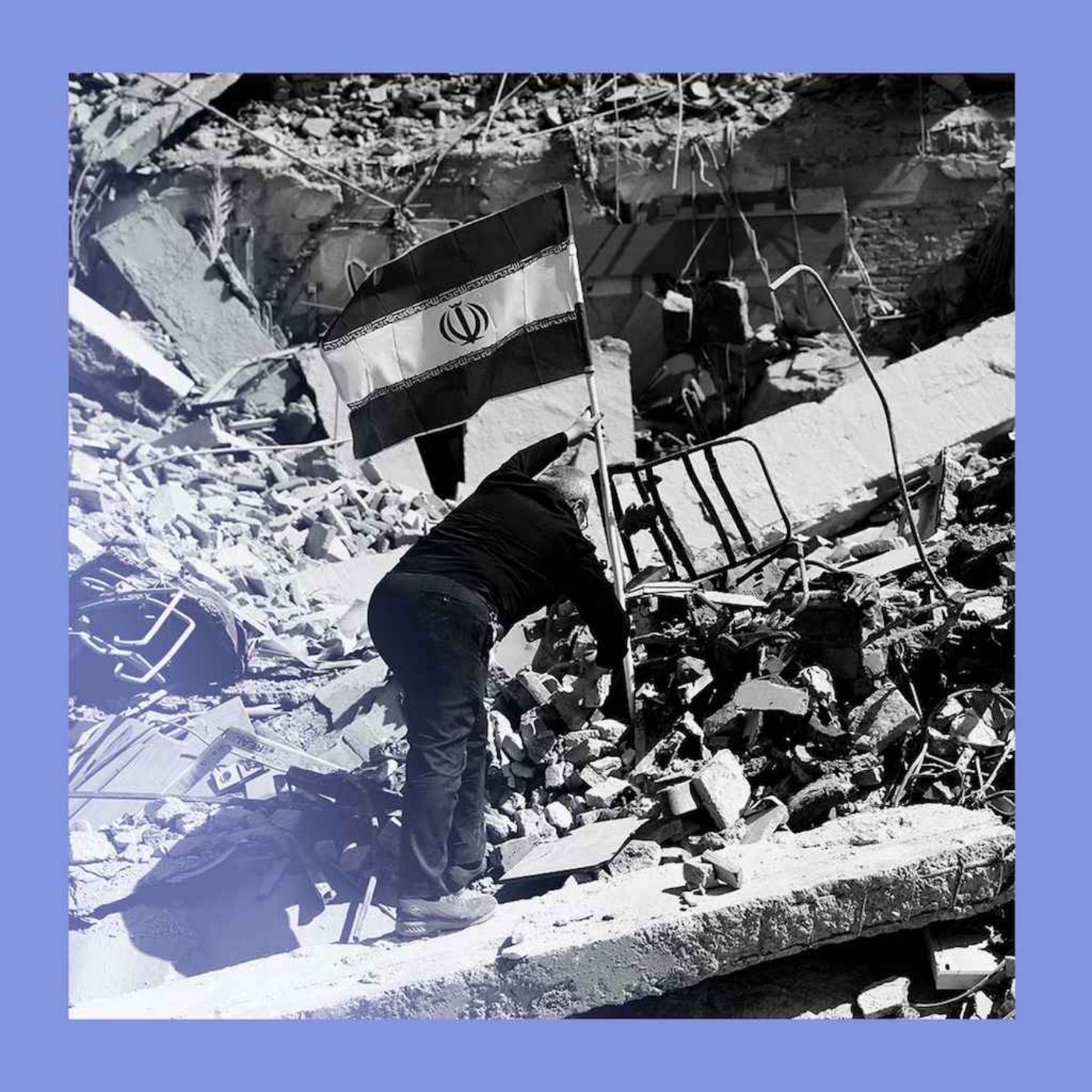
By successfully demonstrating its ability to close the Strait of Hormuz, Iran has fundamentally altered the deterrence equation. The threat is now a proven capability, not a hypothetical, which grants Iran a more credible and powerful card to play in future conflicts and diplomatic standoffs.