Get your free personalized podcast brief
We scan new podcasts and send you the top 5 insights daily.
The unusual prominence of the Treasury Secretary, rather than the Secretary of State, in preparing the Trump-Xi summit indicates a primary focus on economic issues like tariffs and supply chains. This commercial-first agenda risks sidelining critical national security topics like Taiwan and regional military expansion.

Related Insights
High-level diplomatic meetings between US and Chinese leaders are largely performative, designed to create positive "mood music." The true, underlying relationship is defined by a deep and persistent lack of trust between the two nations' security apparatuses, which continues unabated.
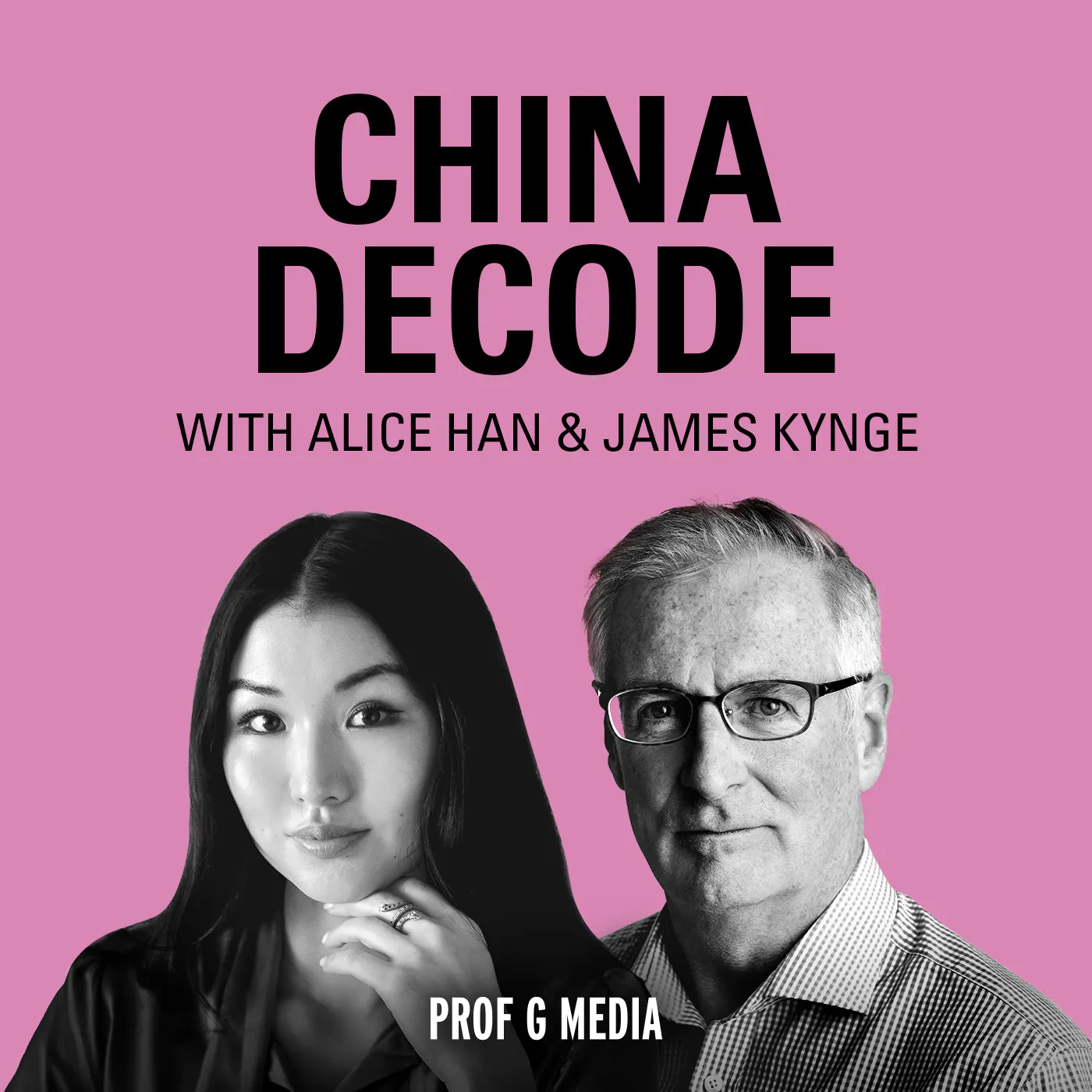
Given President Trump's transactional nature and disinterest in Taiwan, it is argued that Chinese President Xi Jinping would be derelict not to offer him a massive personal financial incentive in exchange for abandoning America's security commitment to the island. This presents a non-military path for Chinese influence.

The recent lack of anti-China rhetoric from the Trump administration, including zero mentions at the State of the Union, is a deliberate tactical truce. The goal is to stabilize relations and create a favorable environment for an upcoming presidential summit with Xi Jinping, which the administration wants to be a major success.

The recent trade truce is a transactional deal focused on marketable items like soybeans and TikTok. It conveniently sidesteps fundamental, long-term conflicts such as China's industrial policy, semiconductor competition, and military tensions, making the truce fragile and the broader relationship unstable.
Key departments like Commerce have conflicting mandates. The Commerce Secretary's primary goal is to promote U.S. business abroad, which structurally disincentivizes them from implementing tough export controls that could harm those same businesses, thus undermining national security objectives.
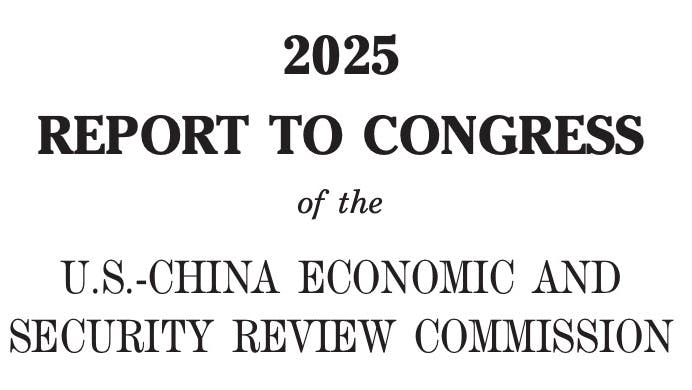
China operates as a two-speed economy. While the consumer side is slowing, Xi Jinping is pouring resources into a state-directed 'national security economy' focused on advanced tech and military modernization. U.S. policy should be narrowly tailored to disrupt this specific sector, not the broader economy.
Beijing's leadership believes President Trump is the American leader most likely to strike a deal favorable to them. They perceive him as non-ideological and primarily focused on trade balances, rather than on challenging China's 'core interests' such as human rights or geopolitical ambitions.
The latest U.S. National Security Strategy drops confrontational rhetoric about China as an ideological threat, instead framing the relationship around economic rivalry and rebalancing. This shift prioritizes tangible deals over promoting American values globally, marking a departure from Reagan-era foreign policy.

The primary goal of certain US tariffs is not to generate revenue but to strategically weaken China's economy. By incentivizing US businesses to leave China, the US aims to slow its rival's growth, thereby protecting the dollar's global reserve status from the rising yuan.

Recent trade talks deliberately sidestepped core geopolitical issues like Taiwan and the South China Sea. This highlights that economic agreements are merely treating symptoms. The fundamental problem is a geopolitical power struggle, which will continue to undermine any economic progress.