Get your free personalized podcast brief
We scan new podcasts and send you the top 5 insights daily.
Given President Trump's transactional nature and disinterest in Taiwan, it is argued that Chinese President Xi Jinping would be derelict not to offer him a massive personal financial incentive in exchange for abandoning America's security commitment to the island. This presents a non-military path for Chinese influence.

Related Insights
Despite its military buildup, China's primary strategy for Taiwan is not a direct invasion, which remains highly difficult. Instead, President Xi Jinping favors a coerced diplomacy, aiming to squeeze Taiwan on all sides until it feels it has no choice but to accept a 'one country, two systems' model.
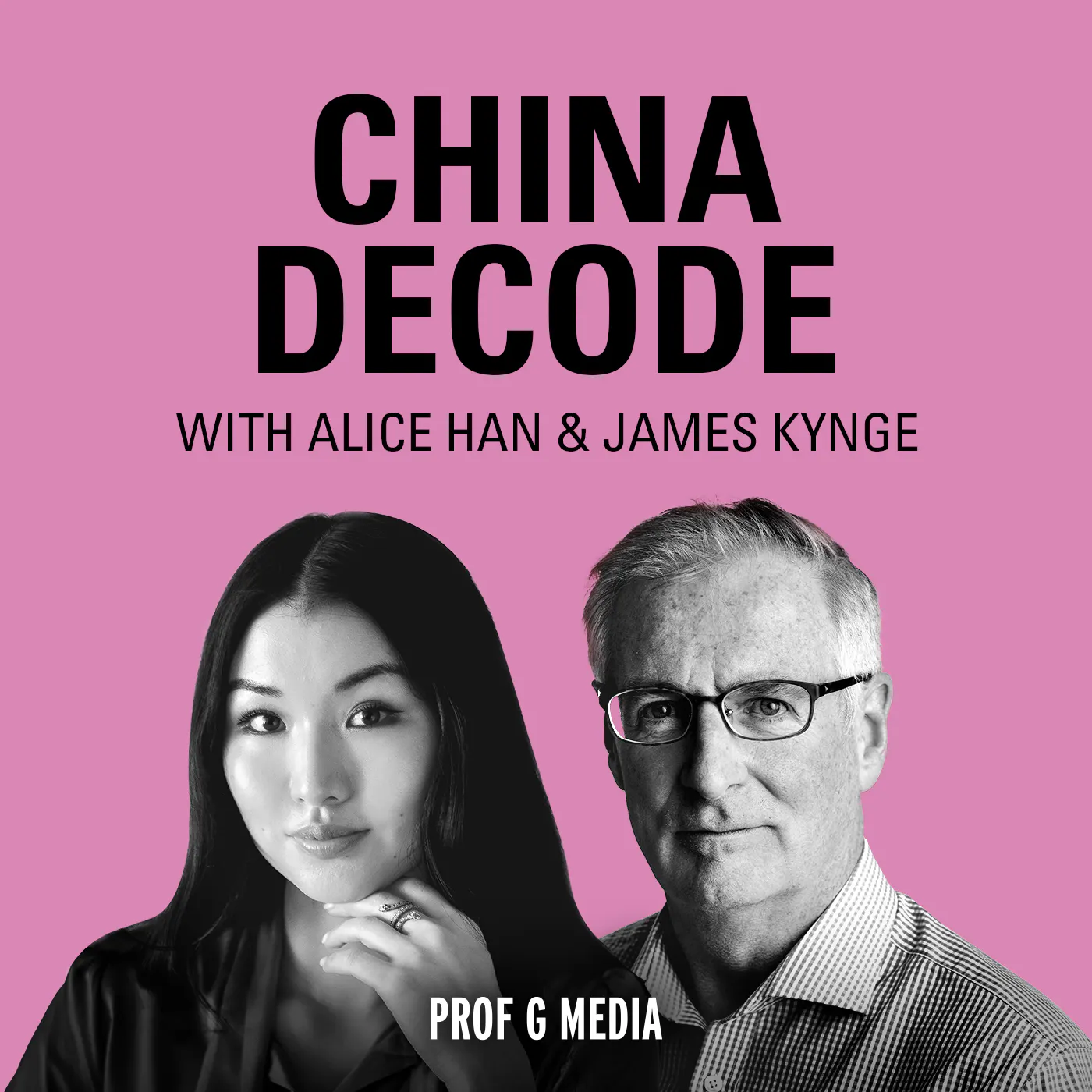
Instead of a risky invasion, Xi Jinping's preference is to slowly suffocate Taiwan's will to resist. This strategy involves chipping away at U.S. commitments and eroding the conviction of regional allies, buying time while avoiding a costly direct conflict.

A massive foreign investment package is not just an economic transaction; it's a strategic tool. By embedding itself in a nation's economy through land and real estate, a foreign power buys political leverage and can subtly shape policy to its own advantage, corrupting the country from within.

Contrary to popular narratives, China's strategy for Taiwan is not a military invasion. It's a long-term plan of economic and political isolation, aiming to make Taiwan so irrelevant to the world that its eventual absorption faces no resistance, mirroring its Hong Kong playbook.

Beijing's leadership believes President Trump is the American leader most likely to strike a deal favorable to them. They perceive him as non-ideological and primarily focused on trade balances, rather than on challenging China's 'core interests' such as human rights or geopolitical ambitions.

While the U.S. employs aggressive, short-term tactics, China plays a long game. They use economic incentives and a 'friendly' image to win allies, which erodes America's global standing over time as nations seek a less volatile partner.

China's strategy for Taiwan likely mirrors its 2019 Hong Kong takeover. Instead of a direct military assault, Beijing will use political influence, espionage, and legislative changes to create administrative bridges, making any physical resistance illegal before troops ever move in.
The latest U.S. National Security Strategy drops confrontational rhetoric about China as an ideological threat, instead framing the relationship around economic rivalry and rebalancing. This shift prioritizes tangible deals over promoting American values globally, marking a departure from Reagan-era foreign policy.

President Xi Jinping used a phone call with President Trump not just for bilateral issues, but to strategically signal displeasure with Japan's hawkish stance on Taiwan. This "shadow play" diplomacy shows China leveraging its relationship with the U.S. to indirectly manage and warn other nations, making the U.S. a channel for its geopolitical messaging.

The Trump administration's renewed focus on Latin America, as detailed in its national security strategy, could inadvertently signal a reduced US geopolitical focus on China's sphere of influence. Beijing may interpret this as an opportunity to play the long game on Taiwan, avoiding immediate retaliation over Venezuela.
