Get your free personalized podcast brief
We scan new podcasts and send you the top 5 insights daily.
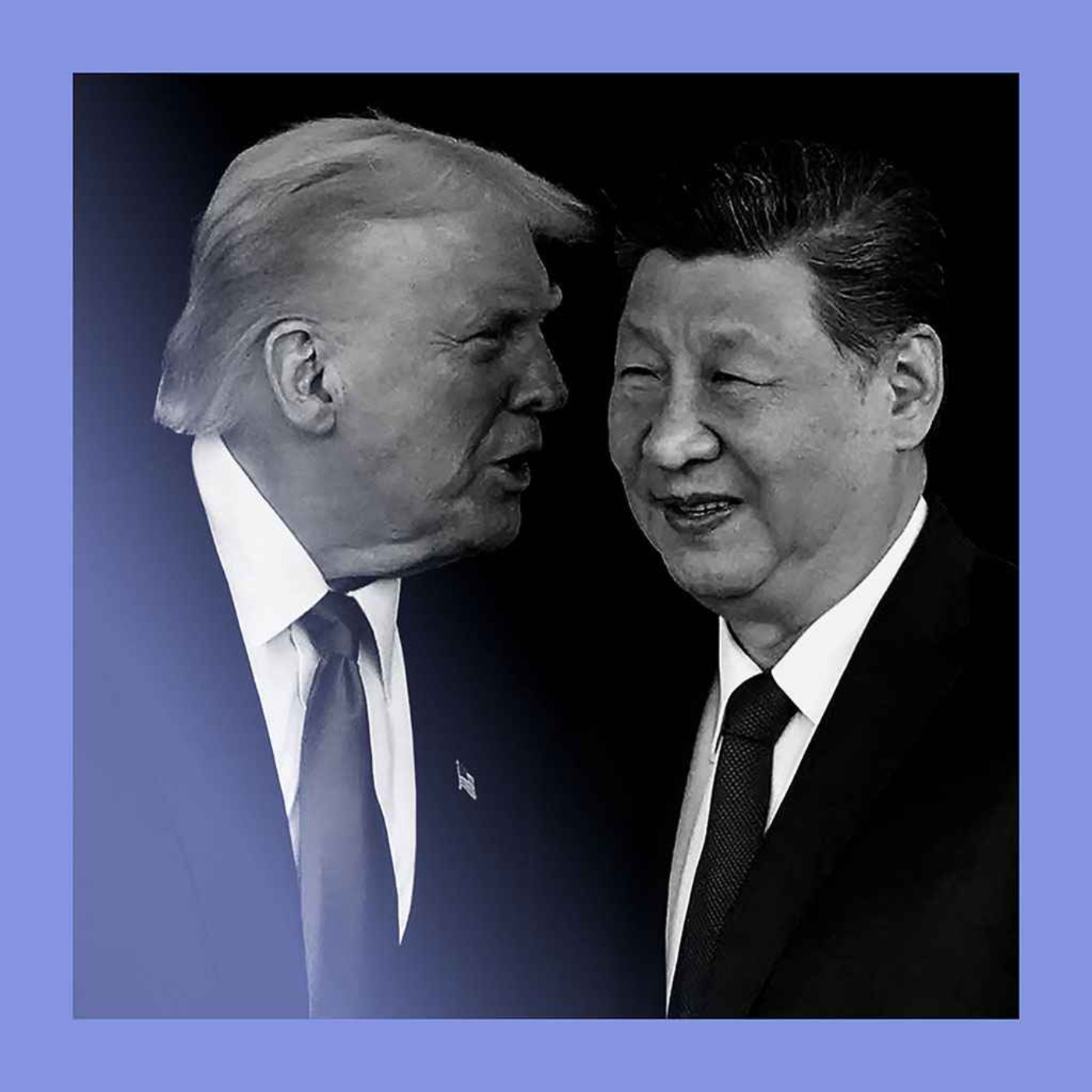
The recent trade truce is a transactional deal focused on marketable items like soybeans and TikTok. It conveniently sidesteps fundamental, long-term conflicts such as China's industrial policy, semiconductor competition, and military tensions, making the truce fragile and the broader relationship unstable.
Related Insights
While the US administration celebrated a deal, China's official media has remained silent, only mentioning a need to finalize follow-up steps. This discrepancy suggests Beijing views the agreement as a tentative pause, waiting to see US actions before fully committing.
While publicly announcing a trade truce with China, the Trump administration simultaneously signed deals with other Asian nations to diversify supply chains and bolster defense partnerships, effectively preparing for future confrontation with Beijing.
The podcast reveals a key insight into China's geopolitical strategy. Xi Jinping privately dismissed TikTok as "spiritual opium," a low-cost asset he was willing to sacrifice. The sale was not a major loss but an easy concession to secure continued dialogue with the U.S. on more critical issues, reframing the event as a calculated move.

The current trade friction is part of a larger, long-term bipartisan U.S. strategy of "competitive confrontation." This involves not just tariffs but also significant domestic investment, like the CHIPS Act, to build resilient supply chains and reduce reliance on China for critical industries, a trend expected to persist across administrations.

Unlike the old Cold War with Russia, the U.S. and China's deep economic interdependence prevents open conflict. The current "Rice War" is like water polo: while business and diplomacy occur on the surface, a covert intelligence and influence war rages underneath.

China demonstrated its significant leverage over the U.S. by quickly pressuring the Trump administration through a partial embargo on rare earth metals. This showcased a powerful non-tariff weapon rooted in its control of critical mineral supply chains, which are also vital for defense applications.

The deep economic interdependence between the U.S. and China makes a full "decoupling" too costly for either side. Instead of a clean break or a lasting peace, the relationship will likely be defined by a continuous cycle of targeted disputes, negotiations, and temporary agreements.
The latest U.S. National Security Strategy drops confrontational rhetoric about China as an ideological threat, instead framing the relationship around economic rivalry and rebalancing. This shift prioritizes tangible deals over promoting American values globally, marking a departure from Reagan-era foreign policy.

Despite escalating rhetoric, the U.S. and China are unlikely to fully decouple their supply chains. Their relationship is maintained by a fragile equilibrium where the U.S. provides semiconductor chips in exchange for China's critical rare earth minerals, making a return to the status quo the most probable outcome.
Recent trade talks deliberately sidestepped core geopolitical issues like Taiwan and the South China Sea. This highlights that economic agreements are merely treating symptoms. The fundamental problem is a geopolitical power struggle, which will continue to undermine any economic progress.