Get your free personalized podcast brief
We scan new podcasts and send you the top 5 insights daily.
High-level diplomatic meetings between US and Chinese leaders are largely performative, designed to create positive "mood music." The true, underlying relationship is defined by a deep and persistent lack of trust between the two nations' security apparatuses, which continues unabated.
Related Insights
The dynamic between a rising power (China) and a ruling one (the U.S.) fits the historical pattern of the "Thucydides' trap." In 12 of the last 16 instances of this scenario, the confrontation has ended in open war, suggesting that a peaceful resolution is the exception, not the rule.

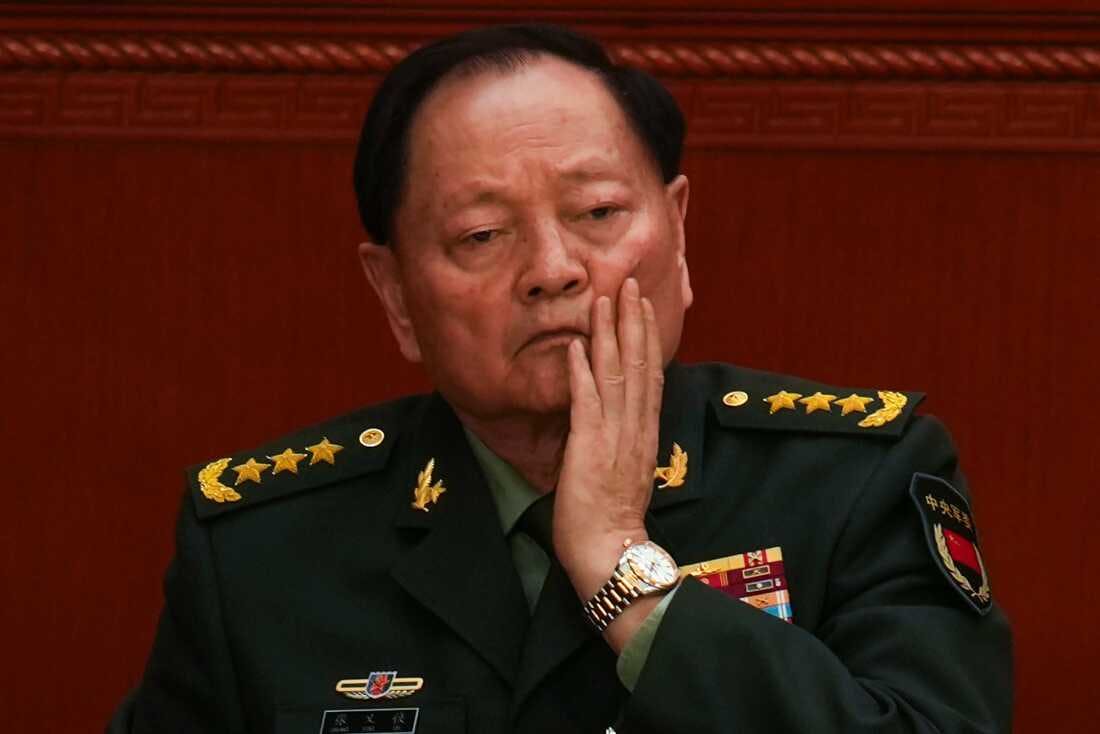
The inability for Western governments and analysts to get reliable information or high-level contacts within China's military and political elite is the fundamental risk. This opacity makes predicting China's actions, especially regarding military decisions, nearly impossible.
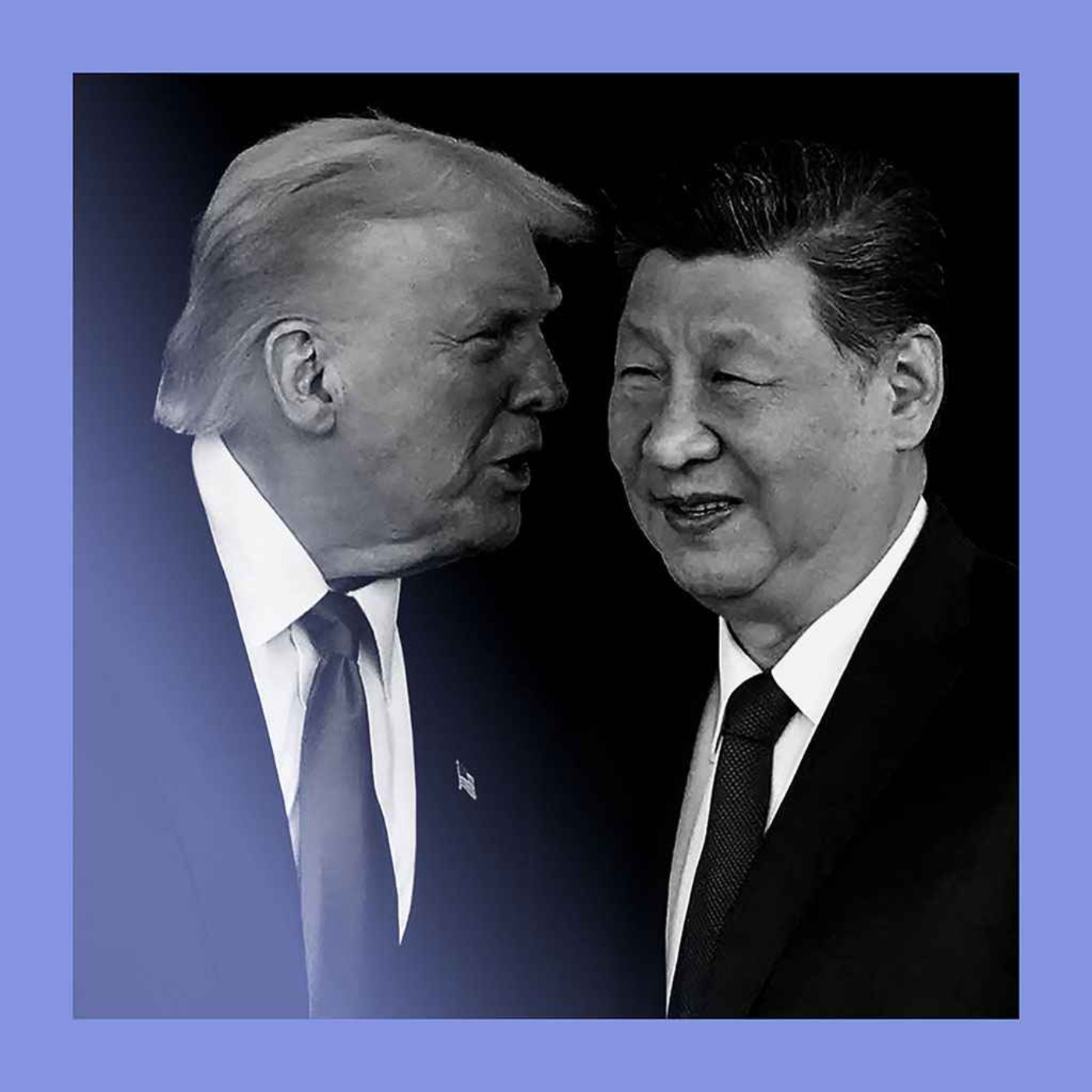
The recent lack of anti-China rhetoric from the Trump administration, including zero mentions at the State of the Union, is a deliberate tactical truce. The goal is to stabilize relations and create a favorable environment for an upcoming presidential summit with Xi Jinping, which the administration wants to be a major success.

The recent trade truce is a transactional deal focused on marketable items like soybeans and TikTok. It conveniently sidesteps fundamental, long-term conflicts such as China's industrial policy, semiconductor competition, and military tensions, making the truce fragile and the broader relationship unstable.
The core driver of a 'Thucydides Trap' conflict is the psychological distress experienced by the ruling power. For the U.S., the challenge to its identity as '#1' creates a disorienting fear and paranoia, making it prone to miscalculation, independent of actual military or economic shifts.

Unlike the old Cold War with Russia, the U.S. and China's deep economic interdependence prevents open conflict. The current "Rice War" is like water polo: while business and diplomacy occur on the surface, a covert intelligence and influence war rages underneath.

The deep economic interdependence between the U.S. and China makes a full "decoupling" too costly for either side. Instead of a clean break or a lasting peace, the relationship will likely be defined by a continuous cycle of targeted disputes, negotiations, and temporary agreements.

Life as a CCP official involves constant, intense pressure. With every interaction being politically charged and the threat of a purge ever-present, the system is fundamentally low-trust. This creates a terrifying work environment where political survival is a daily concern.
President Xi Jinping used a phone call with President Trump not just for bilateral issues, but to strategically signal displeasure with Japan's hawkish stance on Taiwan. This "shadow play" diplomacy shows China leveraging its relationship with the U.S. to indirectly manage and warn other nations, making the U.S. a channel for its geopolitical messaging.

Recent trade talks deliberately sidestepped core geopolitical issues like Taiwan and the South China Sea. This highlights that economic agreements are merely treating symptoms. The fundamental problem is a geopolitical power struggle, which will continue to undermine any economic progress.