Get your free personalized podcast brief
We scan new podcasts and send you the top 5 insights daily.
A writer found that the more she used AI, the more her own writing became robotic and lost its unique voice. She turned to non-AI creative pursuits like poetry to deconstruct the AI-influenced structure and rediscover her personal style, a cautionary tale for all creators.
Related Insights
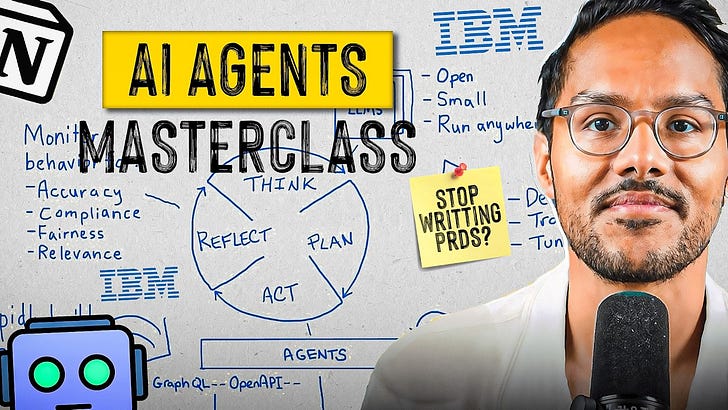
While AI tools once gave creators an edge, they now risk producing democratized, undifferentiated output. IBM's AI VP, who grew to 200k followers, now uses AI less. The new edge is spending more time on unique human thinking and using AI only for initial ideation, not final writing.
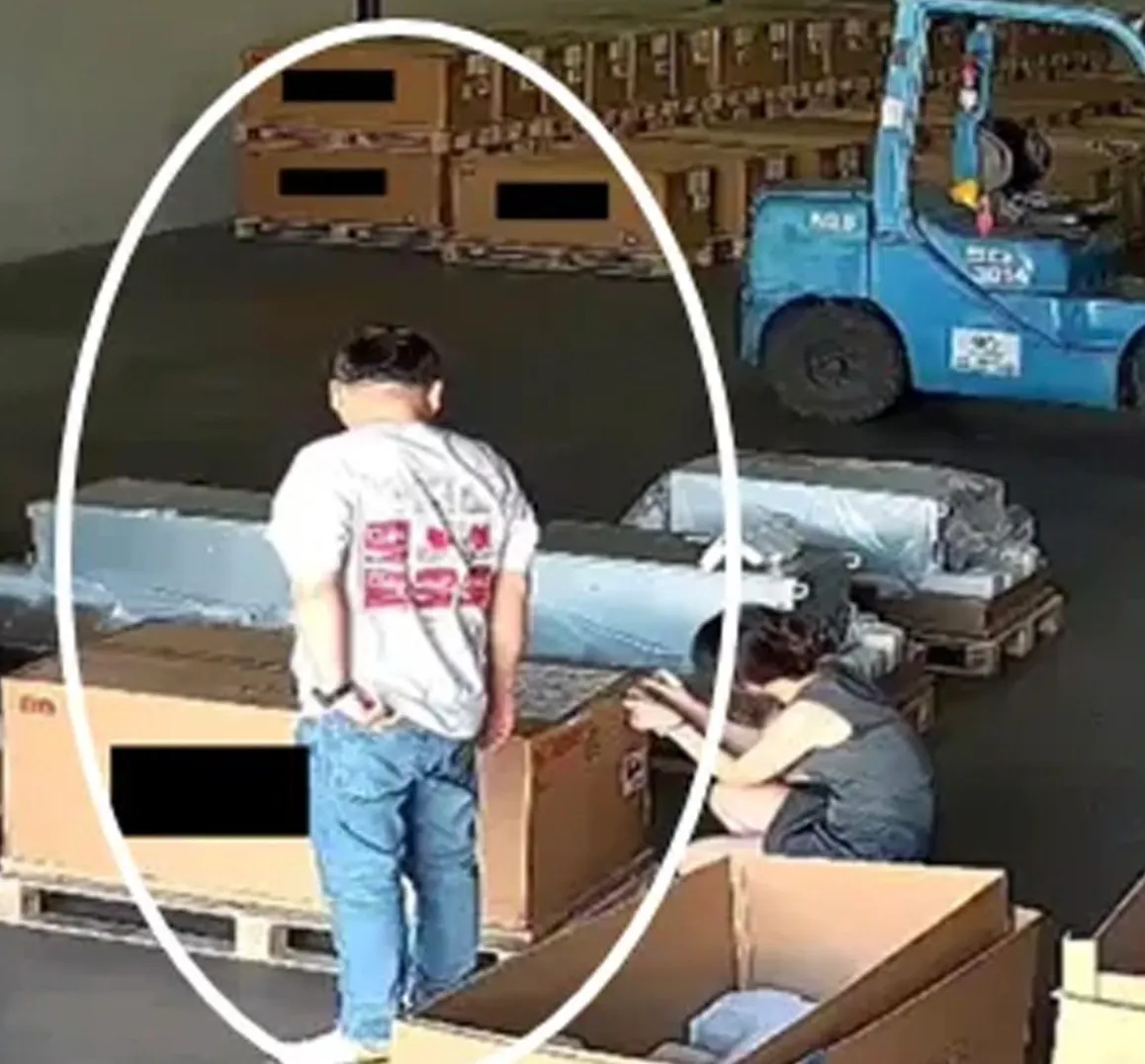
When brands use AI tools like LLMs as their primary creative director instead of as an assistant, they produce generic outputs based on existing data. This leads to a "sea of sameness" and a loss of brand distinctiveness.

Regular reliance on AI for communication prevents the trial-and-error process through which individuals historically developed a unique voice. While current users can adapt AI output to their existing style, future generations may never form one to begin with.

While AI can run tasks autonomously, creatives must stay "in the loop." Avoid simply accepting AI output; instead, provide constant feedback to shape the result until it feels authentically yours. This prevents generic, soulless work and ensures you remain proud of the final product.

Constantly using AI for initial drafts can erode your ability to start from a blank page. Your brain's 'first-principles' problem-solving muscle weakens, and you risk becoming merely an editor of AI output rather than a true originator of ideas.

AI models fail at great literary writing because they lack an authentic "voice." This voice isn't just a stylistic quirk; it's the product of an individual's unique life experiences and perspective. Since AI lacks this grounding, its writing feels inauthentic, like an imitation of a style without the substance behind it.
Companies primarily use AI for chores like writing emails. While efficient, this focus on automation without a parallel emphasis on creative problem-solving can lead to every brand sounding and looking the same, stifling true innovation.

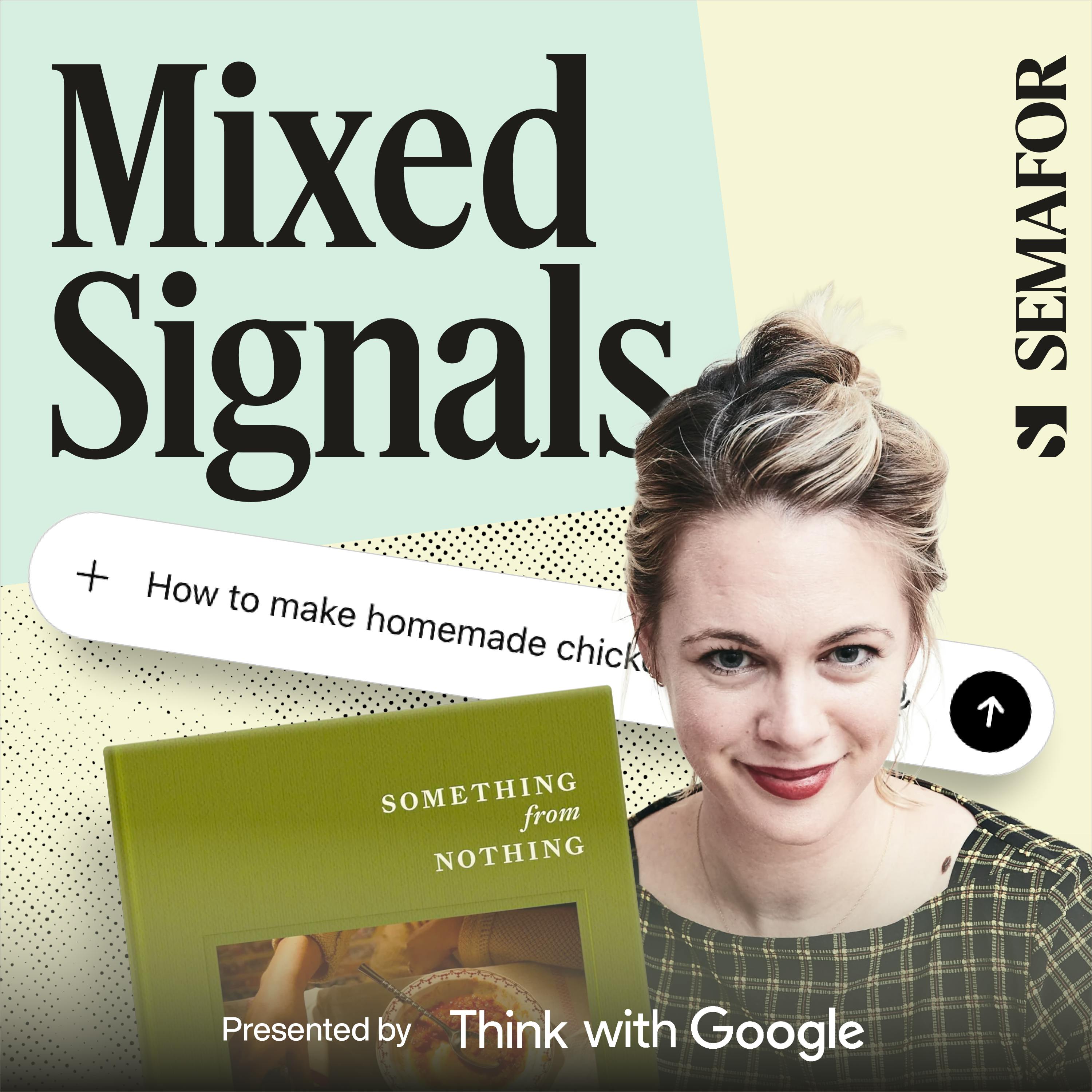
After seeing AI generate predictable "Alison Roman style" recipes, she realized her tropes had become clichés. She now uses this AI-driven self-awareness as a creative prompt to evolve her work, consciously dropping signature phrases to avoid becoming a caricature of herself.
While AI can accelerate tasks like writing, the real learning happens during the creative process itself. By outsourcing the 'doing' to AI, we risk losing the ability to think critically and synthesize information. Research shows our brains are physically remapping, reducing our ability to think on our feet.

For creators, the most profound threat from AI is not task automation but its ability to perfectly replicate their unique personality, cadence, and style. This erodes a key differentiator and forces a fundamental re-evaluation of their value beyond just a personal voice.
