Get your free personalized podcast brief
We scan new podcasts and send you the top 5 insights daily.
When brands use AI tools like LLMs as their primary creative director instead of as an assistant, they produce generic outputs based on existing data. This leads to a "sea of sameness" and a loss of brand distinctiveness.

Related Insights
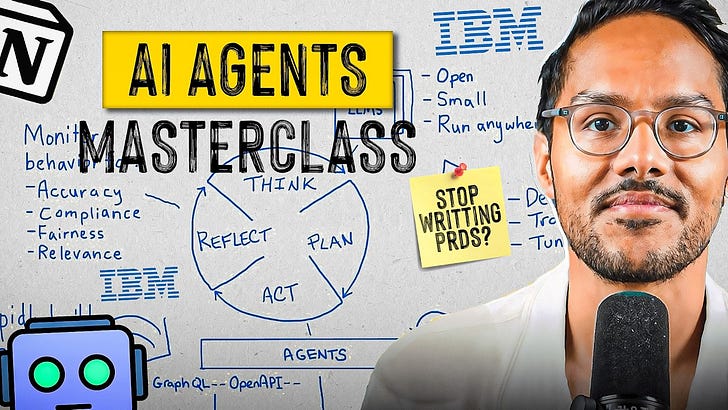
While AI tools once gave creators an edge, they now risk producing democratized, undifferentiated output. IBM's AI VP, who grew to 200k followers, now uses AI less. The new edge is spending more time on unique human thinking and using AI only for initial ideation, not final writing.
As more teams use AI, campaign strategies become homogenized because AI suggests traditional plays based on existing data. The key differentiator becomes human oversight, where marketers add unique, creative insights to AI-generated foundations, ensuring campaigns stand out.

Marketers should use AI-driven insights at the beginning of the creative process to inform campaign strategy, rather than solely at the end for performance analysis. This approach combines human creativity with data to create more resonant campaigns and avoid generic AI-generated content.
AI is primarily a cost-saving tool, not a substitute for nuanced creative direction. Furthermore, a cultural backlash is emerging among younger consumers on social media who perceive AI content as inauthentic, actively criticizing brands like MrBeast and Liquid Death for using it.

Generative AI allows any marketer to quickly produce mediocre content. This saturation makes buyers more discerning and creates a significant opportunity for brands that invest in genuinely excellent, insightful content to stand out and build trust. Quality, not quantity, becomes the key differentiator.
When AI can produce limitless content for free, volume ceases to be a competitive advantage. The new differentiator becomes the quality and consistency of a company's unique brand voice and values, making brand governance paramount to content strategy.
While AI video tools can generate visually interesting ads cheaply and capture views, they currently lack the authentic creative spark needed for true brand building. Their value lies in quick, low-cost content, making them a performance marketing tool rather than an asset for creating a lasting, memorable brand identity.

As AI floods the internet with generic content, consumers are growing skeptical of corporate voices. This is accelerating a shift in trust from faceless brands to authentic individuals and creators. B2B marketing must adapt by building strategies around these human-led channels, which now often outperform traditional brand-led marketing.

As AI tools become commoditized, the exponential differentiator for marketing success will be subjective taste. Teams must double down on unscalable, creative elements that AI cannot replicate, as this is what will truly stand out and build a memorable brand.

While AI is a powerful tool for generating tactical marketing assets like ad copy, it should not replace human collaboration for foundational strategic work. Core brand positioning requires the emotional nuance, debate, and judgment that can only come from a human team.
