Get your free personalized podcast brief
We scan new podcasts and send you the top 5 insights daily.
A key to Grillo's growth was its grocery store real estate strategy. By being refrigerated, the brand is perceived as fresh and premium. This also places them in a less competitive section, avoiding the crowded shelf-stable pickle aisle where most rivals sit.

Related Insights
Whole Foods didn't know where to place KIND bars because they didn't fit the traditional "nutritional bar" category. This "problem" became a huge opportunity when stores placed KIND in high-visibility displays at checkout counters, driving massive impulse buys away from competitors.

Launched when D2C sentiment was at a low point, Grüns avoided direct competition by focusing on 'novel innovation.' Instead of just improving an existing product, they created entirely new categories, such as robust nutritional blends in a gummy form factor, allowing them to sidestep crowded markets.

While frozen goods may be your core business, developing a popular, non-frozen 'hero product' is key for scaling a wholesale operation. Shelf-stable items drastically cut shipping costs and logistical complexity, making market expansion more feasible and profitable.
Despite concerns they were alienating male customers, the founders followed key advice to "double down on being niche." Focusing intently on a specific female persona allowed them to build a stronger, more intentional brand identity that ultimately created a cult following.
Jane Wurwand advises a premium food startup to avoid large supermarkets early on. Big chains demand high volume and have long payment cycles that can crush a new business. Instead, focus on small, high-end local grocers where the brand story can shine and payment terms are more manageable.
Unlike dry goods, the frozen food category has high barriers to entry due to the significant logistical complexity and operating leverage required for a cold supply chain. This provides incumbents like Nomad Foods with a durable competitive advantage against new competitors and private label brands.

Instead of relying on memes or celebrities, Grillo's Pickles' social media strategy is like a music playlist. Each post is a different 'song' but from the same 'band,' creating a consistent brand identity while keeping content fresh and unpredictable, which fueled 50% follower growth in a month.
The baby food brand strategically places its products (pouches, bars, frozen meals) in various aisles. This "all-aisle" approach creates multiple touchpoints during a single shopping trip, acting as an effective in-store advertisement that drives cross-category sales and grows with the customer.

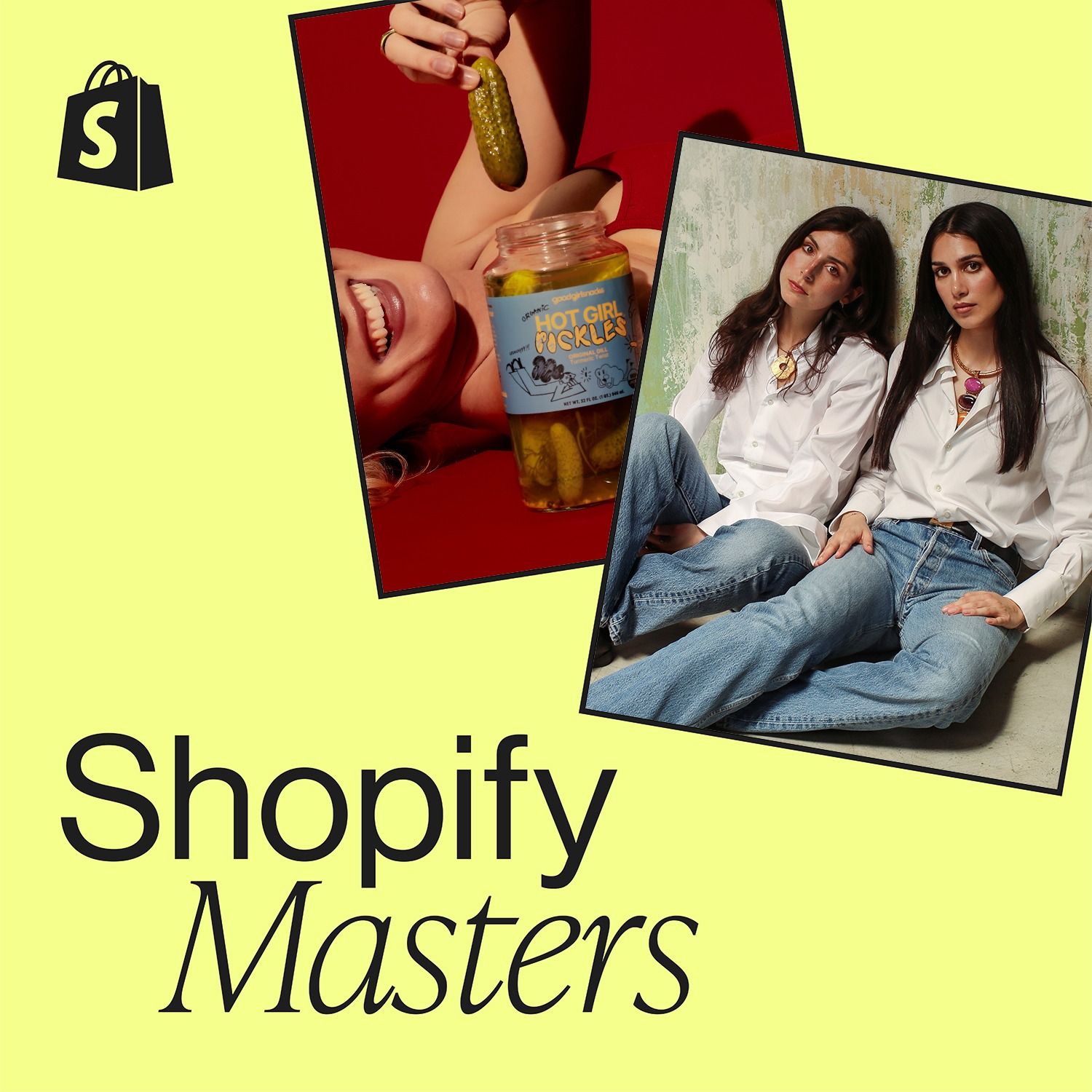
The founders identified a mismatch between the modern, Gen Z pickle consumer on TikTok and the outdated, homogenous branding on store shelves. By targeting a neglected category with bold design and unique flavors, they faced less competition and stood out to both consumers and retail buyers.
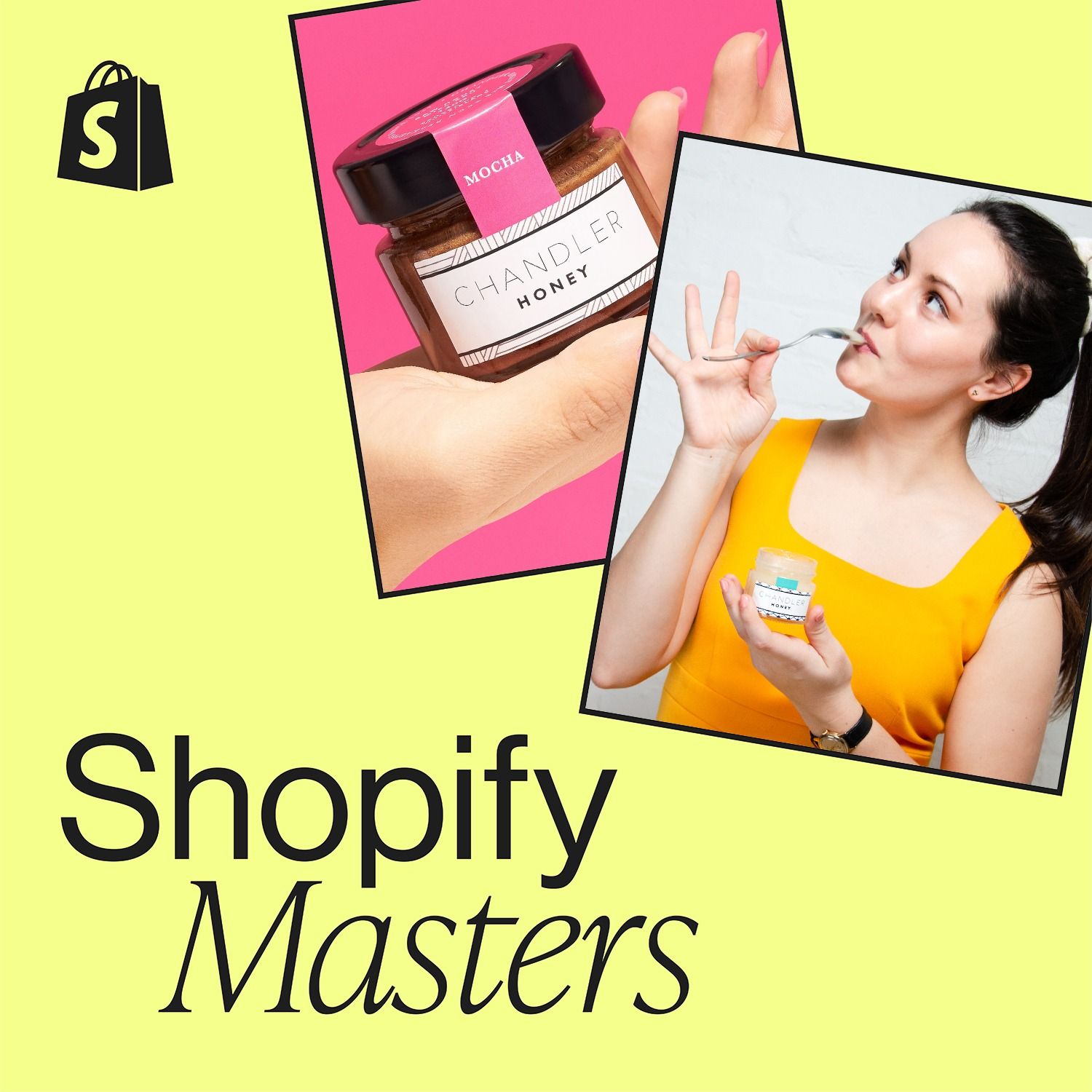
The founder realized her premium honey sold better in gift and souvenir shops where brand story matters more than price. This was more profitable and a better brand fit than traditional grocery stores with their high margins and unfavorable terms.